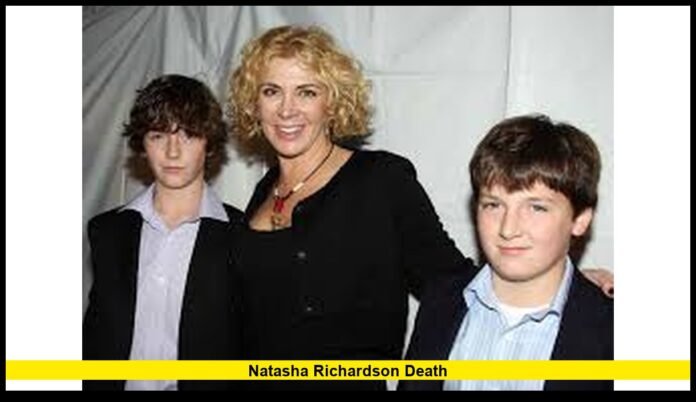

Natasha Richardson death continues to resonate deeply with audiences because it stemmed from an accident that seemed harmless at first but turned fatal within hours. The sudden loss of the accomplished actress shocked the entertainment industry and sparked lasting awareness about the dangers of head trauma, even when early symptoms appear mild.
A Life Shaped by Talent and Discipline
Natasha Jane Richardson was born on May 11, 1963, in London, England, into a family where theater and film were a way of life. Her mother, Vanessa Redgrave, and her father, Tony Richardson, were already respected figures in the performing arts, but Natasha carved out her own identity through dedication rather than inheritance.
She trained formally in acting and approached her career with seriousness and restraint. Rather than chasing constant screen exposure, she balanced film roles with a strong commitment to stage work. Her performances were known for emotional precision, intelligence, and control.
Over time, she became especially admired in theater circles. Her work on Broadway earned her major recognition, including a Tony Award, and confirmed her reputation as an actress who thrived on complex material.
Offstage, she valued privacy. She married actor Liam Neeson in the mid-1990s, and together they built a family life that remained largely out of public view despite their prominence.
The Ski Trip That Altered Everything
The events leading to Natasha Richardson death began during a family vacation in March 2009. She was skiing at Mont Tremblant, a popular resort in Quebec known for accommodating skiers of all skill levels.
On March 16, she took a private lesson on a beginner slope. During the session, she fell and struck her head on the snow. The fall did not involve high speed, obstacles, or visible trauma. She did not lose consciousness and was able to stand, speak, and interact normally afterward.
Ski patrol staff assessed her at the scene. Because she appeared alert and stable, and because she did not report severe pain at that moment, the situation did not seem urgent. She declined further medical treatment and returned to her lodging.
That decision, made under the impression that the injury was minor, would later prove tragic.
Symptoms That Developed Gradually
For a period following the fall, Richardson appeared fine. She communicated clearly and showed no obvious signs of serious injury. This apparent normalcy masked the internal damage that had already begun.
As the hours passed, she started experiencing a headache. At first, it did not seem alarming. Headaches are common after falls and physical exertion, particularly during skiing.
However, the pain intensified. Concern grew among those with her, and medical assistance was requested again. She was taken to a nearby hospital for evaluation.
By this time, her condition had begun to change rapidly.
Understanding the Injury That Caused Natasha Richardson Death
Natasha Richardson death was caused by an epidural hematoma, a severe form of traumatic brain injury. This condition occurs when blood collects between the skull and the brain’s outer protective layer after a blow to the head.
What makes this injury especially dangerous is the possibility of a delay between impact and collapse. Many patients experience what is known as a lucid interval, during which they appear well before their condition suddenly worsens.
As bleeding increases, pressure builds inside the skull. Because the skull cannot expand, the brain becomes compressed. This pressure interferes with vital functions and can lead to rapid neurological decline.
In Richardson’s case, the injury progressed during the hours after her fall, even though she initially seemed stable.
Emergency Transfers and Final Decline
Once doctors recognized the seriousness of her condition, Richardson was transferred from the local hospital to a larger medical facility equipped to handle severe neurological emergencies.
As her condition deteriorated further, arrangements were made to transport her to New York City, where advanced care and family support were available.
She was admitted to Lenox Hill Hospital in Manhattan. Despite intensive medical efforts, the damage to her brain was irreversible.
On March 18, 2009, Natasha Richardson died at the age of 45. Her death was ruled accidental.
Shock Across the Entertainment World
The announcement of Natasha Richardson death sent shockwaves through Hollywood, Broadway, and international theater communities. Many struggled to comprehend how a routine skiing lesson on a beginner slope could lead to such a devastating outcome.
Broadway theaters honored her memory, and fellow performers described her as disciplined, kind, and deeply committed to her work. Directors and co-stars recalled her professionalism and the calm authority she brought to every role.
Her passing was not just the loss of an actress, but the loss of a respected presence within the artistic community.
Impact on Her Family
For her family, the loss was sudden and life-altering. Liam Neeson later spoke about the difficulty of adjusting to life without his wife and supporting their children through grief at such a young age.
Their sons grew up with the memory of a mother whose life ended unexpectedly, shaping their understanding of loss and resilience. Over the years, both have found ways to honor her legacy through their personal and professional choices.
Richardson’s extended family has continued to acknowledge her memory privately and publicly, reinforcing how deeply she is missed.
Public Awareness and Safety Conversations
One of the most lasting outcomes of Natasha Richardson death has been increased awareness about head injuries. Her case is frequently referenced in discussions about the importance of medical evaluation after any head impact.
Many people learned for the first time that serious brain injuries can occur without visible trauma or immediate loss of consciousness. The idea that someone can appear fine and then deteriorate hours later became widely understood through her story.
The tragedy also intensified conversations around helmet use in skiing and other recreational sports. While helmets cannot prevent all injuries, they are now more widely recognized as an essential safety measure.
Why Minor Falls Are Not Always Minor
Richardson’s experience highlighted a crucial reality. The severity of a head injury cannot always be judged at the moment of impact.
Falls that seem harmless can cause internal bleeding. Pain that appears manageable can signal something far more dangerous. Delay in treatment can make the difference between recovery and fatality.
Her story continues to be shared as an example of why symptoms such as headaches, confusion, nausea, or unusual behavior after a fall should never be ignored.
Her Professional Legacy Lives On
Although her life was cut short, Natasha Richardson’s body of work remains influential. Her performances continue to be studied and appreciated by actors and audiences alike.
She was admired for her ability to convey emotional depth without excess. Her stage presence was described as controlled yet powerful, making her performances memorable without being overstated.
Her career stands as a reminder that impact is not measured by quantity of roles, but by quality and integrity.
Why the Story Still Resonates Today
Years later, Natasha Richardson death still resonates because it intersects fame with vulnerability. It shows that tragedy can arise from ordinary moments and that no level of success or privilege offers protection from physical risk.
Her story continues to educate families, athletes, and medical professionals about the unpredictable nature of head injuries.
It also serves as a reminder of the importance of listening to the body and seeking care even when discomfort seems manageable.
A Lasting Reminder
Natasha Richardson is remembered not only for the way she died, but for the way she lived. She was a devoted mother, a committed actress, and a respected colleague.
Her passing changed conversations around safety, awareness, and medical response. Through that impact, her legacy extends beyond the stage and screen.
Natasha Richardson’s story continues to move readers and spark reflection—share your thoughts below and stay connected for more stories that matter.