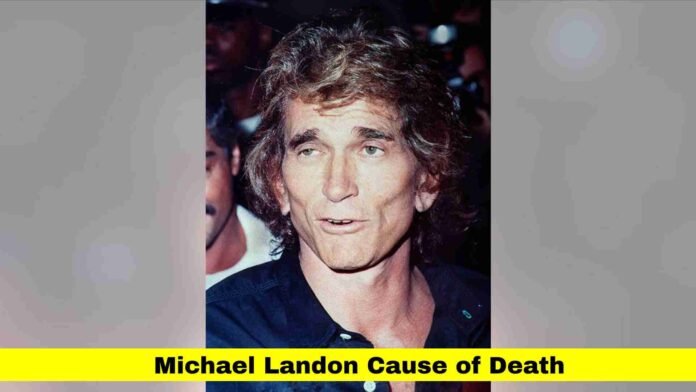

Michael Landon cause of death remains a topic people still search for today as fans continue to revisit his television work and the story behind his final years. He passed away on July 1, 1991, at age 54, and the confirmed cause was pancreatic cancer. His illness progressed rapidly during the months after his diagnosis, leading to widespread public attention, heartfelt public support, and emotional coverage across the country. While more than three decades have passed, interest in his story has never faded, and new generations often want to understand what happened, how he lived, what led to his declining health, and why his legacy continues to hold strong in American entertainment culture.
Michael Landon built a career that shaped family television. He starred in three major U.S. television hits: Bonanza, Little House on the Prairie, and Highway to Heaven. Each series reached millions of households, and his characters became symbols of strength, kindness, and moral clarity. Even today, his shows run in syndication, are streamed across platforms, and remain favorites among families who enjoy classic storytelling. His death came as a shock to fans, especially because he appeared healthy, energetic, and active until his unexpected diagnosis just a few months before his passing. The story of his illness continues to interest the public not only because he was a beloved figure, but also because his battle with cancer was public, emotional, and very brief.
Early Life and Rise to Stardom
Michael Landon was born Eugene Maurice Orowitz on October 31, 1936, in Forest Hills, New York. His early years were shaped by family challenges, including emotional struggles within the household. He moved to New Jersey during childhood. Sports became an outlet for him, especially javelin throwing in his school years. His athletic ability earned him attention and a college scholarship offer. However, an injury ended that chapter, pushing him toward a different path.
Acting became his new focus. He relocated to Los Angeles, where he worked small jobs while attending acting classes. He eventually caught the eye of industry professionals. His breakout came in the late 1950s when he was cast in I Was a Teenage Werewolf, a role that introduced his talent to a wide audience. Soon after, he landed the role of Little Joe Cartwright in Bonanza, and his career accelerated.
During the 1960s and 1970s, he became known not only for acting but also for writing, directing, and producing. His drive, creativity, and involvement behind the camera helped shape the storytelling tone audiences associate with his shows today—family-centered, emotional, and rich with moral lessons.
Career Highlights That Strengthened His Legacy
Michael Landon created some of the most unforgettable characters on American television. He starred on Bonanza for 14 seasons, building recognition as a charismatic and emotional performer. His next major project, Little House on the Prairie, featured him as Charles Ingalls, a father figure many viewers admired. The series told frontier family stories filled with hardship, hope, and growth.
During the 1980s, he created and starred in Highway to Heaven, playing Jonathan Smith, a character who helped people through compassion and spiritual guidance. The show touched viewers deeply and showcased his dedication to meaningful storytelling.
His industry contributions include:
- Acting in more than 20 films and TV productions
- Writing and directing numerous episodes across multiple series
- Producing major television hits that still air today
- Playing iconic family-focused roles beloved across generations
Audiences connect with his warmth and ability to bring emotional realism to roles. His work reached families across the U.S., and it continues to do so decades later.
Illness, Diagnosis, and Final Months
Michael Landon’s health concerns became public in early 1991. He experienced severe abdominal pain, which led to medical testing that revealed late-stage pancreatic cancer. More specifically, it was pancreatic cancer that had spread to his liver. The diagnosis came in April 1991, and the prognosis was challenging due to the aggressive nature of the disease.
He faced his illness with openness and strength. He gave interviews, appeared on television, and spoke publicly about his condition. His intention was to control the narrative, speak honestly, and stay positive. He also expressed a desire to continue working and spending meaningful time with his family.
Pancreatic cancer often advances quietly before symptoms appear, which makes early detection difficult. This was the case for him. By the time he learned of the illness, treatment options were limited. He spent his final months privately with loved ones, including his wife Cindy and his nine children.
Understanding Pancreatic Cancer and Risk Factors
Pancreatic cancer is one of the most aggressive forms of cancer. It affects the pancreas, an organ behind the stomach involved in digestion and blood sugar regulation. Symptoms often appear late, including abdominal pain, jaundice, weight loss, and digestive issues.
Several factors may increase risk:
- Family medical history
- Smoking
- Chronic pancreatitis
- Age over 50
- Diabetes
Michael Landon had a long history of smoking and faced stress throughout his life, both of which may have contributed to risk. His case brought awareness to pancreatic cancer and encouraged discussions about screening, symptoms, and lifestyle health choices.
Public Reaction to His Passing
His death on July 1, 1991, deeply affected fans. Tributes appeared nationwide. Television networks replayed episodes from his series. Viewers sent letters, shared memories, and expressed how his characters shaped their childhoods. His funeral gathered family, friends, and industry figures who admired his work and heart.
His passing became a moment of reflection for many. It highlighted how deeply entertainment figures can touch the world, not just through talent, but through compassion and storytelling.
Family, Personal Life, and Values
Michael Landon married three times and had nine children. Family remained central in his life. He brought this value into his shows, often exploring themes of fatherhood, faith, love, and personal struggle. His children have shared stories about his humor, discipline, and generosity. Some followed careers in film and production.
He enjoyed writing and working outdoors. He valued privacy at home, laughter, and tradition. Many remember him as dedicated and hard-working, often arriving on set early and staying late to perfect scripts and scenes.
Why His Legacy Still Lives Today
Years after his passing, new audiences continue to watch his shows. Streaming platforms, cable reruns, and home collections keep his work alive. Schools, families, and fans host watch parties or discuss episodes that left emotional impact.
Several reasons explain his lasting influence:
- His roles represented hope, morality, and heart
- His stories focused on family and resilience
- He created characters that felt relatable and human
- His writing style balanced drama with warmth
- His work became part of American cultural history
Many fans today learn about his death while searching for show history, cast updates, or old interviews. His illness is often mentioned in documentaries that look back on his professional journey.
Recent Interest and Continuing Public Conversation
Interest in Michael Landon resurged through documentaries, interviews with his children, and fan discussions online. Little House on the Prairie events, social media fan pages, and memorial retrospectives often reflect on his achievements and the story behind his final months. People who never met him feel connected through the roles he played.
Discussions about his death sometimes lead to larger conversations about health and awareness. Pancreatic cancer research continues, with organizations advancing treatment possibilities. His story helps others recognize symptoms, seek medical guidance, and understand the seriousness of this disease.
Conclusion
Michael Landon lived a life filled with creativity and purpose. His television roles defined eras, shaped family entertainment, and continue to inspire viewers who admire his talent and values. He fought illness with courage and spent his final months surrounded by those he loved. Even though he passed on July 1, 1991, his work continues to reach new audiences, keeping his spirit alive on screen. The cause of his death remains a point of reflection, but his legacy far outweighs the loss.
Share your thoughts below on your favorite moments from his films and TV work, and let us know how his legacy lives on for you.