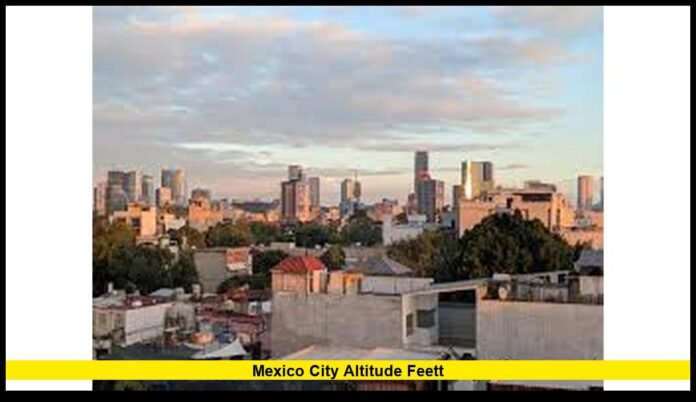

Mexico City is one of the most fascinating destinations in the world, attracting millions of tourists each year with its rich history, vibrant culture, incredible food, and world-famous landmarks. One of the first things many people research before visiting is mexico city altitude feet, because the city’s elevation plays a significant role in everyday life. From the way visitors feel after landing to the performance of athletes during international competitions, Mexico City’s high elevation has a noticeable impact. Understanding the city’s altitude can help travelers prepare for a more comfortable and enjoyable experience.
Mexico City Elevation Explained
Mexico City sits at an elevation of approximately 7,350 feet (2,240 meters) above sea level. This makes it one of the highest major cities in the world and among the highest capital cities in North America.
Unlike many cities built along coastlines or river valleys, Mexico City occupies a high plateau known as the Valley of Mexico. The surrounding mountains and volcanic peaks create a unique landscape while contributing to the city’s cooler climate compared to many other places at similar latitudes.
Although the official elevation is about 7,350 feet, different neighborhoods throughout the metropolitan area vary slightly in height. Some districts are located closer to 7,200 feet, while others rise above 7,800 feet.
Why Is Mexico City Located So High?
The history of Mexico City stretches back hundreds of years. The city developed in the Valley of Mexico, where ancient civilizations established settlements long before modern Mexico existed.
Originally, the Aztec capital of Tenochtitlan was built on islands within Lake Texcoco. Over centuries, the lake was gradually drained as the growing city expanded into one of the largest metropolitan areas in the world.
Because the Valley of Mexico itself lies at a naturally high elevation surrounded by mountain ranges, today’s Mexico City continues to sit thousands of feet above sea level.
Nearby mountain ranges and volcanoes help define the region’s geography, making the area one of Mexico’s most dramatic landscapes.
What Does 7,350 Feet Above Sea Level Mean?
Many travelers have heard the term “high altitude,” but what does it actually mean?
Medical professionals generally classify elevations above 5,000 feet (1,500 meters) as high altitude. Since Mexico City stands well above that threshold, the atmosphere contains less oxygen than locations at sea level.
It is important to understand that the percentage of oxygen in the air remains nearly the same. The difference lies in air pressure. At higher elevations, air pressure decreases, which means every breath delivers fewer oxygen molecules to the body.
For people arriving from low-elevation areas, this change may be noticeable during the first day or two.
How Mexico City’s Altitude Affects Visitors
Every traveler experiences high altitude differently. Some people notice almost no difference, while others may experience mild symptoms as their bodies adapt.
The most common effects include:
- Mild headache
- Faster breathing
- Feeling tired more quickly
- Light dizziness
- Slight shortness of breath
- Difficulty during strenuous physical activity
Most visitors begin adjusting within the first 24 hours, and symptoms typically disappear after a day or two.
Healthy adults generally have little difficulty acclimating, especially when taking things slowly after arrival.
Simple Tips for Adjusting to the Altitude
Drink Plenty of Water
Higher elevations can increase fluid loss through breathing, making hydration especially important.
Avoid Heavy Exercise Immediately
If possible, wait until the second or third day before attempting intense workouts or long hikes.
Eat Balanced Meals
Nutritious meals help provide energy while your body adapts to the thinner air.
Limit Alcohol During the First Day
Alcohol can contribute to dehydration and may make altitude-related symptoms feel more noticeable.
Get Enough Sleep
Quality rest gives the body time to adjust naturally.
Listen to Your Body
If you begin feeling tired, slow down and take breaks. Most symptoms improve with rest and hydration.
Why Athletes Pay Attention to Mexico City’s Elevation
Mexico City’s altitude has become famous in international sports.
Because thinner air creates less resistance, balls often travel farther and move differently compared to sea-level venues. This has influenced competitions across several sports for decades.
Soccer players often notice they tire more quickly because muscles receive less oxygen during intense activity.
Baseball players sometimes see longer fly balls due to reduced air resistance.
Distance runners may require additional time to adjust because endurance performance depends heavily on oxygen availability.
Professional teams commonly arrive several days before major competitions to allow their bodies to acclimate before competition begins.
Mexico City and International Sporting Events
Mexico City has hosted numerous major international sporting events throughout modern history.
Its unique elevation has become part of the city’s sporting identity, creating memorable performances and unique challenges for athletes.
Teams preparing for international soccer tournaments frequently consider altitude as part of their training strategy.
Sports scientists continue studying how high elevations influence endurance, recovery, and overall athletic performance.
Weather at High Elevation
One of the greatest advantages of Mexico City’s altitude is its relatively comfortable climate.
Although Mexico lies closer to the equator than many countries in North America, the city’s elevation keeps temperatures much cooler than many visitors expect.
Typical weather patterns include:
- Pleasant afternoons
- Cool mornings
- Comfortable evenings
- Seasonal rainfall during the summer months
- Dry and sunny conditions during much of winter
Extreme heat is less common than in many lower-elevation Mexican cities.
Visitors often find the climate comfortable for sightseeing throughout much of the year.
Air Quality and Altitude
Mexico City’s location within a mountain-surrounded basin creates unique environmental conditions.
Weather patterns can sometimes trap pollutants over the metropolitan area, especially during calm atmospheric conditions.
In recent decades, significant improvements in environmental regulations, cleaner fuels, and transportation policies have helped improve overall air quality compared with previous decades.
However, sensitive individuals may still notice the combination of altitude and urban air during certain times of the year.
Comparing Mexico City’s Elevation with Other Cities
Mexico City’s height surprises many travelers when compared to other famous destinations.
| City | Approximate Elevation |
|---|---|
| Mexico City | 7,350 feet |
| Denver | 5,280 feet |
| Salt Lake City | 4,226 feet |
| Bogotá | 8,660 feet |
| Quito | 9,350 feet |
| La Paz | More than 11,900 feet |
While Mexico City is higher than many North American cities, it is lower than several South American capitals.
Does Everyone Experience Altitude Symptoms?
No.
Many travelers arrive and immediately begin exploring museums, parks, historic neighborhoods, and restaurants without any discomfort.
Others may notice mild symptoms for only a few hours.
Individual responses depend on several factors:
- Age
- Overall health
- Previous exposure to high elevations
- Hydration level
- Sleep quality
- Individual physiology
There is no reliable way to predict exactly how someone will respond before arriving.
Daily Life at 7,350 Feet
For the millions of people who call Mexico City home, the altitude is simply part of everyday life.
Residents grow up adapted to the thinner air and typically experience no limitations in their daily routines.
Schools, businesses, transportation systems, and recreational facilities operate normally throughout the city.
Visitors often discover that once they acclimate, the altitude becomes almost unnoticeable.
Popular Attractions at High Elevation
Despite its altitude, Mexico City remains one of the busiest tourist destinations in the Americas.
Popular attractions include:
- Historic downtown districts
- Museums featuring ancient civilizations
- Beautiful public parks
- Art galleries
- Local markets
- Cultural festivals
- Modern shopping districts
- Historic architecture
Many attractions involve walking, making comfortable footwear and steady hydration especially helpful during sightseeing.
Travel Tips for First-Time Visitors
If this is your first visit to Mexico City, consider these practical suggestions.
Arrive well-rested before your flight whenever possible.
Drink water regularly throughout your stay.
Wear sunscreen, as ultraviolet radiation can be stronger at higher elevations.
Pack layers since mornings and evenings may feel cooler than afternoons.
Avoid rushing through your itinerary on your first day.
If you’re planning outdoor activities, allow extra time for breaks while adjusting.
These simple preparations can help make your trip more enjoyable.
Interesting Facts About Mexico City’s Elevation
Mexico City is built on one of the world’s largest high-altitude urban areas.
Its elevation contributes to cooler temperatures despite its southern latitude.
The surrounding mountains create spectacular panoramic views from many locations across the metropolitan area.
Because the city occupies an ancient lake basin, parts of Mexico City continue to experience gradual ground subsidence, making it one of the most closely monitored urban environments in the world.
The combination of altitude, geography, and climate gives the city a character unlike almost anywhere else.
Why Knowing the Mexico City Elevation Matters
Whether you’re planning a vacation, attending an international sporting event, traveling for business, or simply learning about one of the world’s largest cities, understanding mexico city altitude feet helps explain many aspects of daily life in the Mexican capital.
The city’s elevation influences weather, transportation, athletic performance, sightseeing, and even how visitors feel during their first few days. Fortunately, most travelers adapt quickly and can enjoy everything the city offers with only minor adjustments to their routine.
Frequently Asked Questions
How high is Mexico City in feet?
Mexico City sits at approximately 7,350 feet above sea level.
Is Mexico City considered high altitude?
Yes. Medical experts generally consider elevations above 5,000 feet to be high altitude, placing Mexico City well within that category.
Can visitors experience altitude sickness?
Some travelers experience mild symptoms such as headaches or shortness of breath, but serious problems are uncommon for healthy individuals.
How long does acclimatization usually take?
Most visitors adjust within one to three days after arrival.
Is Mexico City higher than Denver?
Yes. Mexico City is roughly 2,000 feet higher than Denver, Colorado.
Final Thoughts
Mexico City combines remarkable history, modern culture, impressive architecture, and stunning natural surroundings with one of the highest elevations of any major city on Earth. Its location at approximately 7,350 feet above sea level shapes everything from its pleasant climate to its reputation as a challenging venue for elite athletes. For travelers, understanding the city’s elevation simply means arriving prepared, staying hydrated, and giving the body a little time to adapt. Once acclimated, visitors can fully appreciate the energy, history, and unforgettable experiences that make Mexico City one of the world’s most exciting destinations.
What surprised you most about Mexico City’s elevation? Share your thoughts in the comments and check back for more travel insights and destination guides