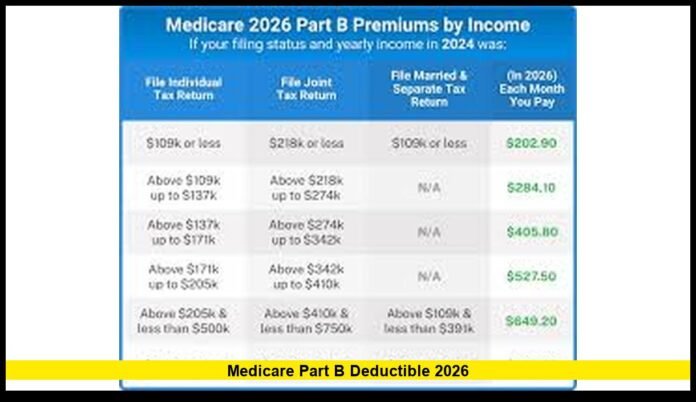

As healthcare expenses continue to climb across the United States, Medicare beneficiaries are paying close attention to annual changes that affect their budgets. One of the most significant updates this year is the medicare part b deductible 2026, which determines how much beneficiaries must pay before Medicare begins covering a portion of many outpatient healthcare services.
For retirees and individuals with disabilities who depend on Medicare, understanding these yearly adjustments is essential. From doctor visits and specialist appointments to preventive screenings and medical equipment, Medicare Part B plays a vital role in helping Americans access necessary healthcare.
The latest deductible increase reflects broader trends in healthcare spending, including rising medical costs, increased utilization of healthcare services, and the growing number of Medicare enrollees nationwide.
Key Points Summary
╔════════════════════════════════════════════════════════════════════╗
║ – Medicare Part B beneficiaries face a higher deductible in 2026. ║
║ – Part B covers outpatient care, physician visits, and preventive services. ║
║ – Beneficiaries must satisfy the annual deductible before most cost-sharing begins. ║
║ – Medicare generally covers 80% of approved expenses after the deductible is met. ║
║ – Monthly Part B premiums also remain a significant healthcare expense. ║
║ – Supplemental coverage can help reduce out-of-pocket costs. ║
║ – Healthcare budgeting is becoming increasingly important for retirees. ║
║ – Millions of Americans rely on Part B coverage for routine medical care. ║
╚════════════════════════════════════════════════════════════════════╝
Why Medicare Part B Matters
Medicare Part B is one of the most widely used portions of the Medicare program. While Part A primarily focuses on hospital coverage, Part B helps beneficiaries pay for medical services received outside of a hospital setting.
These services include routine physician appointments, outpatient treatments, laboratory work, preventive screenings, diagnostic procedures, and various forms of medical equipment.
For many beneficiaries, Part B coverage is used throughout the year, making deductible and premium changes especially important.
Without Part B coverage, many common healthcare services would become substantially more expensive, potentially creating financial challenges for retirees living on fixed incomes.
Understanding the Medicare Part B Deductible
The Medicare Part B deductible is the amount a beneficiary must pay each calendar year before Medicare begins sharing the cost of covered services.
This deductible applies to many outpatient healthcare expenses and is reset annually.
Until the deductible requirement is met, beneficiaries are generally responsible for paying approved healthcare costs themselves. Once the deductible has been satisfied, Medicare typically begins paying its portion of covered services.
This structure is designed to share healthcare expenses between beneficiaries and the Medicare program while maintaining long-term financial stability.
How Cost Sharing Works After the Deductible
Many beneficiaries mistakenly believe that meeting the deductible means Medicare will cover all future healthcare expenses.
In reality, the deductible represents only the first stage of Medicare cost sharing.
After reaching the deductible:
- Medicare generally pays 80% of approved expenses
- Beneficiaries generally pay the remaining 20%
- Additional costs may apply depending on the specific service received
For example, if a specialist procedure costs $1,500 and the deductible has already been met, Medicare may cover approximately $1,200 while the beneficiary pays around $300.
These expenses can add up throughout the year, particularly for individuals managing chronic medical conditions.
Healthcare Costs Continue to Rise
The increase in Medicare costs reflects larger trends occurring throughout the healthcare industry.
Several factors contribute to rising healthcare expenses:
Medical Inflation
Healthcare inflation often exceeds general inflation. Hospitals, physician groups, and healthcare systems face increasing operational expenses that are eventually reflected in healthcare pricing.
An Aging Population
More Americans are becoming eligible for Medicare every year. As enrollment grows, demand for medical services also increases.
Advanced Treatments and Technology
Modern medicine continues to introduce innovative treatments, diagnostic tools, and specialized therapies. While these advancements improve patient outcomes, they often come with higher costs.
Greater Utilization of Healthcare Services
Many beneficiaries are receiving more preventive care and specialized treatments than previous generations, leading to increased overall healthcare spending.
Services Covered by Medicare Part B
Part B coverage extends across a wide range of healthcare needs.
Common covered services include:
- Primary care visits
- Specialist consultations
- Outpatient surgeries
- Mental health counseling
- Diagnostic imaging
- Blood tests and laboratory services
- Preventive screenings
- Ambulance transportation
- Durable medical equipment
- Physical therapy services
- Occupational therapy
- Certain home healthcare services
This broad coverage makes Medicare Part B one of the most important healthcare benefits available to older Americans.
Preventive Care Remains a Major Advantage
One of the strongest features of Medicare Part B is its emphasis on preventive healthcare.
Preventive services can identify health issues early, often before symptoms appear.
Examples include:
- Cancer screenings
- Diabetes screenings
- Cardiovascular assessments
- Annual wellness visits
- Vaccinations
- Bone density tests
- Depression screenings
Early detection often leads to better health outcomes while reducing long-term healthcare expenses.
Healthcare experts consistently encourage beneficiaries to take advantage of preventive services whenever possible.
Managing Out-of-Pocket Healthcare Costs
Although Medicare provides valuable coverage, beneficiaries still face a variety of healthcare expenses.
These costs may include:
- Annual deductibles
- Monthly premiums
- Coinsurance payments
- Prescription drug expenses
- Dental care
- Vision services
- Hearing-related costs
Creating a realistic healthcare budget can help beneficiaries prepare for these expenses and avoid unexpected financial strain.
Financial advisors frequently recommend setting aside funds specifically for medical costs as part of a comprehensive retirement plan.
The Role of Supplemental Insurance
Many Medicare beneficiaries choose supplemental insurance to reduce their exposure to out-of-pocket expenses.
Popular options include Medicare Supplement plans and Medicare Advantage plans.
These plans may help cover:
- Coinsurance obligations
- Copayments
- Emergency medical costs
- Additional healthcare benefits
- Prescription drug coverage
The right option depends on individual healthcare needs, budget considerations, and preferred provider networks.
Carefully reviewing available plans each year can help beneficiaries maximize value while controlling healthcare costs.
What Retirees Should Consider in 2026
As healthcare expenses continue evolving, beneficiaries should take a proactive approach to managing coverage and costs.
Important considerations include:
- Reviewing annual Medicare notices
- Comparing supplemental insurance plans
- Understanding deductible requirements
- Tracking healthcare spending
- Scheduling preventive care appointments
- Evaluating prescription drug coverage
Taking these steps can help reduce surprises and improve overall financial planning.
The Future of Medicare
The Medicare program continues to adapt to changing healthcare demands.
Experts expect future years to bring additional developments in areas such as:
- Telehealth services
- Preventive care initiatives
- Prescription drug affordability
- Chronic disease management
- Healthcare technology integration
While annual cost increases may be challenging for some beneficiaries, Medicare remains a critical source of healthcare coverage for millions of Americans.
The program continues to provide access to essential medical services while helping retirees manage healthcare expenses during retirement.
FAQs
Q: What is Medicare Part B?
A: Medicare Part B is the portion of Medicare that covers outpatient medical services, physician care, preventive services, and certain medical equipment.
Q: Why is the Medicare Part B deductible important?
A: The deductible determines how much beneficiaries must pay before Medicare begins sharing costs for covered services.
Q: Does everyone pay the same Part B premium?
A: No. Higher-income beneficiaries may pay additional premium surcharges based on income levels.
Q: What services are covered by Part B?
A: Covered services include doctor visits, outpatient procedures, preventive care, laboratory testing, and many other healthcare services.
Q: Can supplemental insurance reduce healthcare costs?
A: Yes. Many supplemental plans help cover coinsurance, copayments, and other out-of-pocket expenses.
Q: Does Medicare Part B cover preventive care?
A: Yes. Preventive screenings and wellness services are among the most valuable benefits offered through Part B.
Q: Why do Medicare costs increase over time?
A: Rising healthcare spending, inflation, medical innovation, and increased service utilization contribute to annual cost adjustments.
Final Thoughts
The medicare part b deductible 2026 serves as an important reminder that healthcare planning remains a critical part of retirement. As medical costs continue to evolve, beneficiaries who understand their coverage, monitor expenses, and explore supplemental insurance options will be better prepared to navigate healthcare costs throughout the year. Staying informed about Medicare changes can help individuals make confident decisions and protect their financial well-being in retirement.
What do you think about the latest Medicare changes? Leave a comment below and check back regularly for more Medicare updates, retirement news, and healthcare insights.