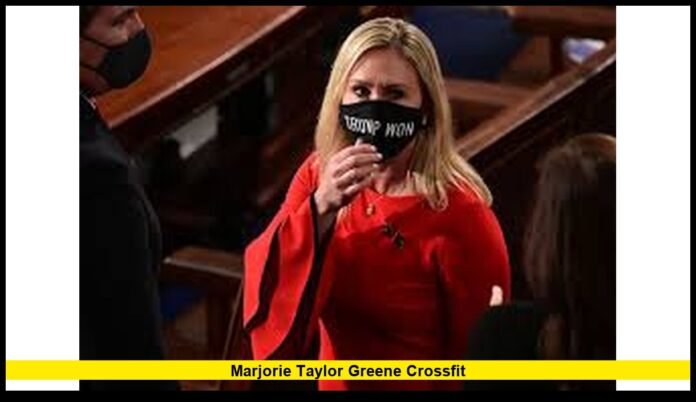

From gym owner to high‑profile U.S. Representative, Marjorie Taylor Greene’s journey has included a notable chapter tied to the world of CrossFit. As her political career enters a new phase, the story of how she built a fitness‑brand persona offers insight into the dynamics of image, entrepreneurship and public service.
Early Fitness Entrepreneurship and Gym Ownership
In her early adult years, Marjorie Taylor Greene transitioned from working in her family’s construction business into the fitness sector. By around 2012 she was coaching part‑time at a CrossFit‑affiliated gym in Alpharetta, Georgia. In 2013 she co‑founded a CrossFit affiliate — a gym business built around high‑intensity functional movements and community‑driven workouts.
That gym ownership became a foundation of her public identity: the “small business owner,” the fitness‑minded entrepreneur, the local leader. She eventually sold or stepped away from the gym business around early 2017, shifting her focus toward politics.
Integrating Fitness Into the Public Persona
Once she entered the national political stage, Greene often referenced her gym background as part of her outsider narrative. Fitness became more than just a hobby — it became a branding tool. She posted workout videos, shared gym selfies, and tied her entrepreneurial past to her political message.
One distinctive element was her participation in the CrossFit competitive rankings: she appeared in the CrossFit Games affiliate tournaments in the age‑group 40‑44 category, ranking among hundreds of women around the country. These stats reinforced the gym‑owner angle.
Her gym‑owner history also gave her a claim to “business experience,” which she leveraged during campaign appearances. She used the narrative of having built something from scratch — a local gym and community hub — to appeal to voters who value entrepreneurship and local leadership.
The Brand Reputation: When the Fitness Name Gets Political
However, the fitness brand she associated herself with did not always embrace that connection. The CrossFit organisation publicly distanced itself from her when her political posture raised concerns about appropriate associations. The fitness brand emphasised that it supports respectful, fact‑based dialogue and rejected the “loathsome and dangerous lies” attributed to some of her earlier statements.
That public split is significant: when a public figure leans heavily on a fitness‑brand past, and the brand itself pushes back, it creates a tension between identity and endorsement, image and reality. For Greene, the gym background remained part of her story — but the brand affiliation became more complex.
Why the Fitness Chapter Still Matters
Although Greene is now known primarily as a politician rather than a gym‑owner, her fitness past continues to matter for several reasons:
- Narrative context: The gym business gives deeper context to how she entered politics, representing a transition from local entrepreneur to national law‑maker.
- Image formation: The fitness connection complemented her “America First,” “small business” persona — aligning with a culture of strength, discipline and independence.
- Media reference point: Journalists and analysts continue to reference the gym chapter when profiling her, especially as her political fortunes shift.
- Brand risk: The fact that the original gym brand disavowed her reminds that past business ties can become liabilities when political controversy arises.
The Political Shift and Its Impact on Her Fitness Narrative
In November 2025 two major developments shifted how Greene is perceived and thus how her fitness past is framed:
- Her former ally, former President Donald Trump, withdrew his endorsement of her, marking a major break in their previously close alignment.
- She announced her resignation from Congress, effective January 5, 2026, ending a five‑year term in the House of Representatives.
These shifts prompt a reconsideration of her full public arc — including the gym‑owner chapter — because observers often revisit origin stories at turning points. The fitness narrative resurfaces as a historical footnote rather than a core element of her current identity, yet remains relevant for understanding her brand evolution.
What the Gym Story Reveals About Her Strategy and Appeal
Looking at the gym ownership and fitness branding offers several insights into her broader strategy and appeal:
- Entrepreneurial legitimacy: Owning and running a local gym helped bolster credibility among voters who value business experience and grassroots operations.
- Relatable persona: Fitness appeals across demographics. By positioning herself as someone who “gets up early to train, build sweat equity and build community,” she connected with constituents beyond traditional political channels.
- Visual symbolism: Fitness visuals, such as workout videos or gym photos, provide powerful imagery of strength, discipline and readiness — symbols that translate well in political messaging.
- Transition narrative: In moving from entrepreneur to politician, Greene’s story mirrors a broader American trajectory: self‑made businessperson enters public service — a template that many voters find compelling.
- Brand vulnerability: The public distancing by the fitness brand highlights a lesson: past affiliations carry risk when political identities become contentious. The gym chapter became both an asset and a complication.
Timeline: From Gym Floor to Congressional Floor
| Year | Milestone |
|---|---|
| ~2012 | Coaching at a CrossFit‑affiliate gym in Alpharetta, Georgia. |
| 2013 | Co‑founded a CrossFit affiliate gym with a partner, establishing her private‑business credentials. |
| Early 2017 | Exited the gym business and shifted focus to political ambitions and campaigns. |
| 2020 | Elected to represent Georgia’s 14th Congressional District. |
| Nov 2025 | Major political realignment: key endorsement withdrawn and announcement of forthcoming resignation. |
| Jan 5 2026 | Scheduled date of resignation from the U.S. House of Representatives. |
Managing the Legacy of the Fitness Chapter
With Greene’s impending departure from Congress, the gym‑owner phase of her life assumes a more history‑like quality in public discussion. Yet, how she manages that legacy remains important for her future public brand. Here are aspects to watch:
- Personal narrative control: Will she continue to reference her gym ownership as part of her identity when out of office? Will media cover that chapter as part of a “what’s next” profile?
- Business reputations: How the gym she once owned and the brand she engaged with reflect on her in retrospect may affect how past claims are revisited, especially in biographies or retrospective articles.
- Political branding carry‑through: For many politicians, early business ventures remain touch‑points post‑career — for consulting, speaking engagements or public appearances. Greene’s gym ownership could serve as a platform for future non‑elective roles.
- Public perception shift: As she moves out of active office, the intensity of media scrutiny may decline, but the gym chapter will likely be referenced in “where did they come from” profiles — meaning how it is framed now can influence long‑term narrative.
The Broader Implication: Fitness and Politics in the Spotlight
Greene’s story is illustrative of a broader trend: the intersection of fitness culture and political identity. Increasingly, public figures emphasize physical fitness as part of their image. In her case:
- Gym ownership offered a foundation beyond politics, giving her roots in a relatable, local business setting.
- Fitness branding allowed a visual and narrative shorthand for resilience and authenticity — traits desirable in political spaces.
- The eventual distancing of the brand she once worked with shows how fitness associations can become controversial, especially when the person’s political views clash with the broader community or brand expectations.
- The chapter reminds us that personal branding matters: politicians who foreground non‑political experiences often gain an “everyday person” dimension that contrasts with career‑politician stereotypes.
Looking Ahead
As Greene transitions from active legislator to whatever comes next, her gym‑owner past remains a key piece of her story. Media narratives will likely revisit how that chapter influenced her political trajectory — from local entrepreneur to national figure. Moreover, the fitness‑business credibility may serve as a bridge into post‑elective roles: speaking, consulting, entrepreneurial initiatives or media appearances. For her supporters, the gym chapter underscores traits they admire: self‑reliance, discipline, local roots. For critics, it remains part of the tapestry of a controversial public profile.
Final Thought
Though the spotlight now shifts away from the congressional floor toward new horizons, the legacy of her fitness business remains a meaningful part of her story. The journey from gym owner to public servant illustrates how personal entrepreneurship can shape political identity — and how past business ventures resurface in moments of transition.
I’m curious to hear your perspective: What role do you think that early gym‑business chapter plays in how you view her public career? Feel free to share your thoughts below or stay tuned for future updates.