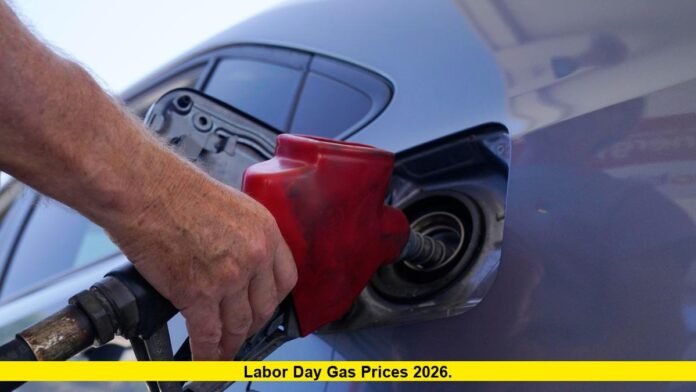

Labor Day gas prices are heading into record territory in 2026, with the national average for regular gasoline at about $4.14 per gallon heading into the holiday weekend. AAA says this Labor Day is on track to become the most expensive on record, surpassing the previous holiday record of $3.82 per gallon set in 2012. The elevated prices come as crude oil markets remain volatile amid the continuing U.S.-Iran conflict and disruptions involving the strategically important Strait of Hormuz.
Labor Day Gas Prices Reach Record Territory
The latest AAA data show a national average of $4.1436 per gallon for regular gasoline as of September 3, with the figure remaining around $4.14 on September 4. That is approximately 95 cents more than a year earlier, when the national average was about $3.19.
AAA reported that the national average increased roughly four cents from the previous week and was also slightly higher than a month earlier. The organization said travelers are facing the highest gasoline prices ever recorded for this time of year.
The significance of the current price is particularly clear when compared with previous Labor Day periods. AAA’s historical data identify $3.82 per gallon on September 3, 2012, as the previous Labor Day record. In 2026, the national average is already more than 30 cents above that level.
Importantly, AAA describes the 2026 holiday as being “on track” to set a record, rather than saying the final Labor Day price has already been established. The holiday falls on Monday, September 7, and pump prices can continue changing before and during the weekend.
Why Gas Prices Are So High in 2026
The major factor behind the unusually expensive Labor Day gas prices is the cost of crude oil.
AAA says continued volatility around the Strait of Hormuz has pushed crude oil prices into the $90-per-barrel range. Reuters reported September 4 that Brent crude had risen to around $95 per barrel, while U.S. West Texas Intermediate crude was around $91 per barrel, following renewed tensions involving the United States and Iran.
The Strait of Hormuz is a critical international energy route. Disruptions there can affect the amount of crude oil and petroleum products moving through global markets. Even when gasoline is refined in the United States, changes in the global crude market can influence the price Americans ultimately pay at the pump.
The current situation is therefore not simply a matter of increased holiday driving. AAA specifically noted that gasoline demand normally declines toward the end of summer, which would ordinarily put downward pressure on prices. In 2026, however, elevated crude costs have outweighed that seasonal effect.
The National Average Compared With Last Year
The year-over-year difference is one of the most striking features of the 2026 gasoline market.
AAA’s September 3 figures show:
- 2026: about $4.14 per gallon
- 2025: about $3.19 per gallon
- Difference: approximately 95 cents per gallon
For a driver purchasing 15 gallons, a price difference of 95 cents per gallon translates into roughly $14 more for one fill-up compared with the same period last year.
For motorists driving several hundred miles during Labor Day weekend, the additional fuel expense can become a significant part of the overall travel budget.
The increase is also visible in state-level markets. Idaho, for example, was averaging about $4.62 per gallon on September 3, according to AAA Oregon/Idaho. California was considerably higher, at approximately $5.78 per gallon, while Indiana was among the least expensive states at about $3.44 per gallon.
Gas Prices Vary Significantly Across the United States
There is no single pump price that applies to every American driver. Regional differences in refinery capacity, fuel supply, transportation costs, taxes and local market conditions can produce large variations.
The latest Energy Information Administration data available before Labor Day also showed substantial differences among petroleum regions. For the week ending August 31, regular gasoline averaged:
- West Coast: about $5.21 per gallon
- Rocky Mountain: about $4.27
- East Coast: about $3.94
- Midwest: about $3.85
- Gulf Coast: about $3.62
The West Coast was therefore substantially more expensive than the Gulf Coast, reflecting differences in regional fuel markets and supply conditions.
Local prices can also differ from statewide and national averages. Drivers planning a long-distance Labor Day trip may encounter noticeably different prices after crossing state lines.
Why Gasoline Usually Gets Cheaper Around This Time
Labor Day traditionally marks the end of the peak summer driving season in the United States. Gasoline demand generally begins to decline as summer vacations wind down and many families return to normal school and work schedules.
That seasonal change can contribute to lower gasoline prices.
AAA noted that this normal pattern is not providing the same relief in 2026 because crude oil remains expensive. The organization said gasoline demand is typically lower at this point in the year, but the high cost of crude oil has kept pump prices elevated.
This is an important distinction for consumers. High Labor Day gas prices in 2026 are not simply the result of Americans traveling for the holiday. The broader energy market is playing a much larger role.
Diesel Prices Are Also at Record Levels
The gasoline market is not the only part of the U.S. fuel market experiencing unusually high prices.
On September 4, U.S. diesel prices reached approximately $5.85 per gallon, according to reports citing AAA data. That surpassed the previous national diesel record of about $5.82 set in 2022.
Diesel is particularly important because it powers much of the nation’s trucking, agriculture, construction and other commercial transportation activity.
Higher diesel costs can therefore affect consumers beyond what they pay to fill a personal vehicle. Transportation companies may face higher operating costs, which can eventually affect the cost of moving food, consumer products and other goods.
The current fuel-price increase is consequently broader than the Labor Day road-trip market.
What Is Happening With Oil Prices
Oil prices have been highly volatile as the U.S.-Iran conflict continues to affect expectations for global energy supplies.
Reuters reported September 4 that Brent crude had gained more than 6% during the week and was trading around $95.38 per barrel, while WTI reached approximately $90.93 per barrel. The market has been particularly sensitive to developments surrounding the Strait of Hormuz and the movement of oil through the region.
On September 1, oil prices also jumped sharply as renewed U.S.-Iran hostilities increased concerns about additional supply disruptions.
Those changes matter to U.S. motorists because crude oil is one of the largest components of the retail gasoline price.
Energy Information Administration data show that crude oil can account for roughly half of the retail price of gasoline, although the percentage changes over time. Refining, distribution and marketing, and taxes make up the remaining components.
President Trump and the Political Debate Over Energy Prices
The unusually high Labor Day gas prices also carry political significance because President Donald Trump campaigned on expanding U.S. energy production and lowering energy costs.
The current price environment has therefore become a difficult backdrop for an administration that has emphasized domestic energy production and affordability.
However, gasoline prices are influenced by factors extending well beyond presidential policy. Global crude oil prices, international conflicts, refinery operations, inventories, transportation costs, seasonal demand and regional fuel specifications can all affect what consumers pay.
For that reason, it would be inaccurate to attribute the entire change in gasoline prices to one policy or one person.
The immediate market pressure in the latest reports is closely connected with crude oil and geopolitical developments, particularly the disruption risks associated with the Middle East and Strait of Hormuz.
How Much More Could Drivers Pay This Labor Day?
The precise final Labor Day gas price is not yet known.
AAA’s latest assessment says the holiday is on track to establish a new record, but prices can move higher or lower before Monday. The current national average of roughly $4.14 already stands well above the previous Labor Day record of $3.82.
That means even a modest additional increase would widen the record margin.
At the same time, there is no official confirmation that gasoline will continue rising throughout the entire holiday weekend. Oil markets remain volatile, and changes in crude prices can eventually feed through to wholesale and retail gasoline markets.
Consumers should therefore treat the current $4.14 figure as the latest available national average rather than a guaranteed final Labor Day price.
What Drivers Should Know Before Filling Up
Motorists preparing for Labor Day travel can reduce the impact of high fuel prices by paying attention to local differences.
Several practical considerations can help:
- Compare prices before filling up: Nearby stations may have noticeably different prices.
- Check prices along the route: A slightly cheaper station can make a difference on a large fill-up.
- Avoid unnecessary detours: Driving farther to save a small amount per gallon may not actually reduce total costs.
- Consider fuel economy: Aggressive acceleration and excessive idling can increase fuel consumption.
- Plan the trip: Knowing where major fuel stops are located can make it easier to avoid paying unusually high prices.
- Watch local conditions: Prices can vary substantially between states and regions.
The biggest potential savings often come from comparing prices before committing to a large purchase of gasoline.
Labor Day Travel Costs Extend Beyond Gasoline
Higher fuel prices are arriving as Americans prepare for one of the year’s major travel weekends.
The impact is not limited to people driving personal vehicles. Higher fuel costs can affect trucking and other transportation operations, while higher jet-fuel costs can contribute to increased airline operating expenses.
Recent reporting also shows that the broader fuel shock is affecting airlines and commercial transportation. Meanwhile, diesel prices have reached record levels, creating additional pressure on industries that depend heavily on diesel-powered vehicles and equipment.
For households, this means the effect of the energy market may extend beyond the gasoline receipt. Transportation expenses can influence the prices businesses charge for moving goods and providing services.
What Happens After Labor Day
The direction of gasoline prices after the holiday will depend heavily on crude oil prices, supply conditions and geopolitical developments.
Normally, the transition away from peak summer gasoline demand can provide some seasonal relief. But the 2026 market is unusual because crude oil prices remain elevated and international energy flows remain sensitive to developments in the Middle East.
The next scheduled federal gasoline and diesel price update from the Energy Information Administration is September 9, following its holiday-adjusted reporting schedule for Labor Day.
That upcoming data will provide a more comprehensive official snapshot of weekly retail gasoline prices after the holiday.
Latest Labor Day Gas Prices Update
As of the latest available information on September 4, the key numbers are clear: the AAA national average is approximately $4.14 per gallon, nearly 95 cents higher than a year ago, and above the previous Labor Day record of $3.82.
AAA says 2026 is on track to establish the most expensive Labor Day gasoline average on record. The record has not yet been formally finalized because the holiday weekend is still underway, but the current price is already well above the previous benchmark.
At the same time, diesel has reached a separate all-time high of about $5.85 per gallon, highlighting the broader pressure across U.S. fuel markets.
The most important factor to watch remains crude oil. If international supply concerns ease, fuel markets may eventually receive relief. If disruptions intensify, gasoline and diesel prices may remain under pressure. There is currently no official confirmation of where prices will finish after the Labor Day weekend.
Final Thoughts
Labor Day gas prices in 2026 are entering the holiday weekend at historically high levels. The national average of roughly $4.14 per gallon is already above the previous Labor Day record of $3.82, putting this year’s holiday on track to become the most expensive Labor Day at the pump.
The increase is being driven primarily by elevated crude oil costs and continuing volatility in global energy markets. The situation is particularly significant because gasoline prices are rising at a time when seasonal demand would normally be easing.
For American drivers, the immediate takeaway is straightforward: fuel is substantially more expensive than it was during Labor Day 2025, and regional differences remain considerable. The final holiday average will depend on how gasoline and crude oil markets move over the remainder of the weekend.
Share your Labor Day gas price experience in the comments and stay updated for the latest changes in fuel prices and travel costs.