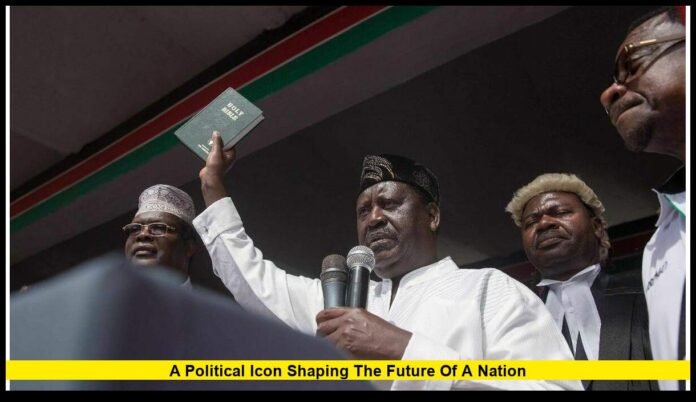

The name Kenya Raila Odinga has echoed through the political landscape of East Africa for decades. As a central figure in Kenya’s modern history, Raila Odinga has been at the heart of power struggles, democratic reforms, economic debates, and continental initiatives. His journey—from opposition leader to elder statesman—reveals a legacy marked by resilience, strategic reinvention, and enduring influence both nationally and internationally.
Why Kenya Raila Odinga Remains a Global Political Name
Raila Odinga is not simply a Kenyan politician; he is a figure whose actions have shaped not just national governance but also regional policy conversations. For U.S. audiences watching African politics, understanding his role provides valuable insight into Kenya’s direction—a country that is one of America’s key partners in Africa.
Over the years, Odinga has been at the center of contested elections, opposition movements, and constitutional reforms. Even after decades in the political arena, his name continues to dominate discussions about Kenya’s future.
Early Life and Political Roots
Born on January 7, 1945, in Maseno, Kenya, Raila Amollo Odinga grew up surrounded by political debate. His father, Jaramogi Oginga Odinga, was Kenya’s first vice president after independence. Political activism was part of his upbringing, and it shaped his worldview early on.
After studying in East Africa and East Germany, Odinga returned home in the 1970s, initially working as an engineer and academic. But the political currents of the time drew him in. Kenya was under one-party rule, and opposition voices were often met with harsh repression. Odinga joined the growing push for democratic reforms, which set him on a collision course with the ruling elite.
Challenging Power During One-Party Rule
Odinga’s early political years were marked by courage and confrontation. He was detained without trial for several years in the 1980s and early 1990s due to his involvement in pro-democracy movements.
These experiences cemented his reputation as a political fighter—someone willing to challenge entrenched systems of power. His role during Kenya’s transition to multiparty democracy in the early 1990s made him a hero to many who sought change.
Kenya Raila Odinga and the Push for Democratic Reform
Throughout the 1990s and early 2000s, Odinga played a critical role in constitutional and political reforms. He supported the introduction of multiparty elections and helped unite opposition forces that eventually weakened the long-standing one-party rule.
He also held several government positions during coalition periods, including Minister for Energy and later Prime Minister (2008–2013) under a power-sharing agreement after the disputed 2007 election. This period showcased his ability to transition from fiery opposition leader to a statesman capable of governance.
Repeated Presidential Campaigns and Resilience
One of the most striking features of Odinga’s career is his repeated bids for the presidency. He has run for the top office five times—in 1997, 2007, 2013, 2017, and 2022.
While he came close to winning on multiple occasions, electoral disputes and political rivalries often stood in his way. Despite setbacks, his political resilience has been extraordinary. Few figures globally have maintained such influence after multiple unsuccessful presidential campaigns.
The 2022 Election and Aftermath
In the 2022 presidential race, Raila Odinga once again emerged as a major contender. He faced William Ruto in a tightly contested election. Although the results declared Ruto the winner, Odinga and his supporters raised questions about the process and called for electoral reforms.
Even in the face of defeat, Odinga’s ability to mobilize millions of Kenyans highlighted his enduring influence. Rather than retreat from politics, he remained active—holding rallies, leading conversations on constitutional accountability, and positioning himself as a key figure in shaping Kenya’s political future.
Economic Issues: A New Political Frontier
As Kenya faces economic headwinds—including rising debt, taxation debates, and unemployment—Odinga has shifted part of his focus toward economic justice. He has increasingly framed his political messaging around issues that affect everyday Kenyans, such as:
- Cost of living pressures
- Government spending and debt transparency
- Youth unemployment and job creation
- Infrastructure development with equitable benefits
This shift allows him to appeal to a broad base, including young voters who are less swayed by historical party loyalties but deeply concerned about economic realities.
Kenya Raila Odinga’s Regional and Continental Influence
Odinga’s significance extends beyond Kenya’s borders. As the African Union’s High Representative for Infrastructure Development, he played a role in promoting cross-border projects aimed at integrating African economies.
This regional perspective has made him a respected voice in discussions about Africa’s economic future. Even after leaving that AU role, his regional profile remains strong, and he has signaled interest in playing a more prominent part in continental affairs.
For the United States, Kenya’s stability and leadership in East Africa are strategically important. Raila Odinga’s political moves can indirectly influence regional diplomacy, trade, and security dynamics.
Public Perception: A Divided but Deep Legacy
Public opinion about Raila Odinga is multifaceted:
- Supporters see him as a champion of democracy, a voice for the marginalized, and a leader who has sacrificed for the nation.
- Critics argue that his long political career reflects a reluctance to make way for new leadership.
- Younger generations are split—some admire his history of reform, while others see him as part of an older political era.
This blend of admiration and critique mirrors the experience of many long-serving political figures worldwide.
Key Milestones: Kenya Raila Odinga at a Glance
| Category | Details |
|---|---|
| Full Name | Raila Amollo Odinga |
| Born | January 7, 1945, Maseno, Kenya |
| Political Start | 1980s pro-democracy movement |
| Government Roles | Minister for Energy, Prime Minister (2008–2013) |
| Presidential Campaigns | 1997, 2007, 2013, 2017, 2022 |
| Regional Influence | Former African Union Infrastructure Representative |
| Known For | Democratic reforms, opposition leadership, mass mobilization |
| Current Focus | Economic justice, electoral reform, continental leadership ambitions |
Why His Role Still Matters
The Kenya Raila Odinga story is not confined to history—it continues to shape current and future events.
- He remains a central opposition figure capable of mobilizing large segments of society.
- His stance on economic and governance issues influences public discourse.
- His regional ambitions position him as a voice beyond Kenyan borders.
- His legacy shapes how Kenya’s political institutions adapt to future challenges.
For observers in the U.S. and elsewhere, Odinga’s role is worth watching not only because of Kenya’s domestic dynamics but also because of its importance in East African stability and U.S.-Africa relations.
Potential Future Paths
As Raila Odinga enters his later years, questions about his next steps are intensifying. Will he continue to lead opposition movements directly? Will he transition into a more continental or advisory role? Or will he help shape a political succession that carries forward his vision?
While his exact path remains to be seen, what’s clear is that he will remain influential. His political instincts and loyal base give him leverage in shaping Kenya’s future trajectory.
Final Thoughts
The journey of Kenya Raila Odinga spans decades of political transformation, personal resilience, and national influence. He has been a prisoner, reformer, opposition leader, government official, and continental advocate. Through victories and defeats, he has remained a defining voice in Kenyan politics.
As Kenya faces new challenges—economic, political, and regional—Odinga’s role will continue to evolve. Whether as a direct political actor or a respected elder statesman, his impact on Kenya’s story is far from over.
What’s your view on Raila Odinga’s legacy and his place in Kenya’s future? Share your thoughts below.