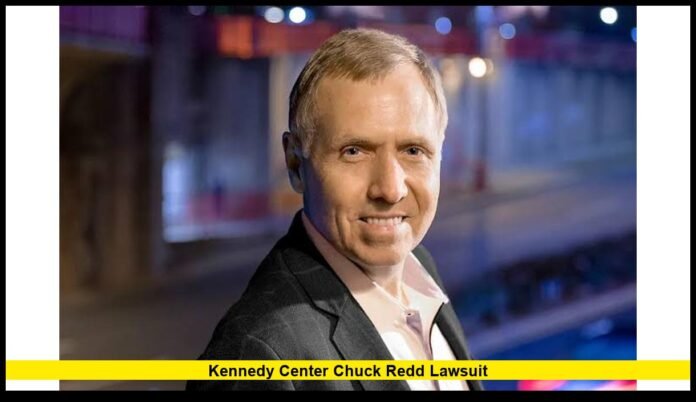

The kennedy center chuck redd lawsuit has taken another major turn after a Washington, D.C., judge ordered the Kennedy Center to pay jazz musician Chuck Redd $252,479.70 in legal fees and costs. The order follows the dismissal of the Kennedy Center’s breach-of-contract lawsuit against Redd over his decision to withdraw from a 2025 Christmas Eve performance.
The latest ruling came from D.C. Superior Court Judge Tanya Jones Bosier on August 10, 2026. It followed her June decision to dismiss the Kennedy Center’s lawsuit. The institution has said it plans to appeal the latest ruling.
The dispute began after Redd pulled out of the Kennedy Center’s annual Christmas Eve jazz performance in December 2025. He had been connected with the event for years and publicly linked his withdrawal to the controversial addition of President Donald Trump’s name to the Kennedy Center.
The legal battle later focused on whether Redd had a binding agreement to perform and whether the lawsuit implicated protections for speech on matters of public concern.
Judge Orders Kennedy Center to Cover Redd’s Legal Costs
The newest development centers on the financial consequences of the failed lawsuit.
Judge Bosier ordered the Kennedy Center to pay $252,479.70 in legal fees and costs incurred by Redd. The award covers most of the amount his legal team had requested.
The court’s decision came after both sides presented arguments over the appropriate amount of compensation. The Kennedy Center challenged Redd’s request and argued that the requested sum was excessive in relation to the case.
The judge ultimately awarded more than $252,000.
The payment represents a major change from the original direction of the dispute. The Kennedy Center had previously threatened to seek as much as $1 million from Redd over his withdrawal from the Christmas Eve performance.
Instead, the institution now faces a substantial legal-fee obligation following the dismissal of its case.
The Kennedy Center has indicated that it intends to appeal the fee ruling. That means the latest order may not be the final word on the financial dispute.
How the Dispute With Chuck Redd Started
Chuck Redd had a long association with the Kennedy Center’s Christmas Eve jazz program.
He had performed at the annual event for years and had hosted the Christmas Eve Jazz Jam since 2006. The program was a free performance and had become a recurring part of the center’s holiday schedule.
The situation changed in December 2025.
The Kennedy Center board voted to add Trump’s name to the institution. The decision generated significant controversy and prompted several performers to reconsider appearances at the venue.
Redd was among those who decided not to participate.
On December 19, 2025, Redd withdrew from the Christmas Eve performance. He explained that he objected to what he described as the “defiant and illegal name change” at the Kennedy Center.
His decision soon became a legal dispute.
Rather than simply accepting the cancellation, Kennedy Center leadership pursued a claim against the musician. Richard Grenell, who was leading the institution at the time, warned Redd that the center would seek $1 million in damages.
The disagreement eventually reached D.C. Superior Court.
Kennedy Center Filed a Breach-of-Contract Case
The Kennedy Center filed its lawsuit against Redd in March 2026.
The institution argued that Redd had breached an agreement connected to his scheduled performance. The center sought damages related to the cancellation.
Redd’s legal team disputed the central premise of the case.
His attorneys argued that Redd had not signed the 2025 performance contract relied upon by the Kennedy Center. Without a binding agreement, they argued, there could be no breach of contract.
That issue became central to the case.
The Kennedy Center pointed to Redd’s history with the annual event and the circumstances surrounding the planned performance. Redd’s defense focused on the absence of a signed contract for the 2025 appearance.
The court eventually sided with Redd on the contractual issue.
Why the Contract Question Was Important
A breach-of-contract lawsuit requires an enforceable agreement.
In this case, the Kennedy Center needed to show that Redd had a legal obligation to perform at the 2025 Christmas Eve event.
The court found that the center had not demonstrated a legally binding agreement with Redd for that performance.
Judge Bosier dismissed the lawsuit in June 2026.
The decision ended the Kennedy Center’s breach-of-contract claim at the trial-court level and opened the way for Redd to seek reimbursement of his legal expenses.
The ruling also addressed the District of Columbia’s Anti-SLAPP protections.
Court Applies D.C. Anti-SLAPP Protections
Anti-SLAPP laws are designed to protect people from lawsuits that improperly target protected expression involving matters of public interest.
Redd’s attorneys argued that his withdrawal and public explanation were connected to his opposition to the Kennedy Center’s name change.
The court accepted that argument as part of its decision to dismiss the case.
The ruling therefore involved more than a disagreement over a canceled concert. It also considered the connection between the lawsuit and Redd’s public position regarding the Kennedy Center.
That element became important when the court later considered legal fees.
The dismissal gave Redd the opportunity to seek reimbursement for the cost of defending himself.
Redd Sought Payment for His Legal Defense
Following the dismissal, Redd’s attorneys requested compensation for the legal work required to defend against the Kennedy Center lawsuit.
The request approached $258,000.
The Kennedy Center objected to the amount.
Its lawyers argued that the requested fees were disproportionate to the issues involved in the case. The institution challenged the amount of time and expenses included in Redd’s request.
Judge Bosier reviewed the submitted records before determining the final award.
The court did not simply approve the entire amount requested.
Instead, the judge evaluated the billing records and excluded amounts that were considered duplicative or unnecessary.
The final award came to $252,479.70.
That figure became the latest major development in the dispute.
Kennedy Center Plans to Appeal
The Kennedy Center has not accepted the fee award as the final outcome.
A spokesperson said the institution plans to appeal.
An appeal could challenge the legal-fee ruling and potentially extend the dispute beyond the Superior Court proceedings.
The June dismissal and August fee order remain important milestones regardless of what happens next.
At the trial-court level, the Kennedy Center’s breach-of-contract case against Redd was dismissed.
The latest order also places the financial burden of Redd’s defense on the Kennedy Center, subject to any appellate action.
For now, the $252,479.70 award is the current amount ordered by the court.
The $1 Million Threat and the Final Fee Award
The financial contrast between the beginning and current stages of the case is striking.
After Redd withdrew from the Christmas Eve performance, the Kennedy Center warned that it would seek $1 million in damages.
The lawsuit then proceeded as a breach-of-contract dispute.
The court later dismissed the case after finding that the center had not established a legally binding agreement with Redd.
Now, instead of receiving damages from the musician, the Kennedy Center has been ordered to pay more than $250,000 toward his legal expenses.
That reversal has made the fee ruling one of the most important developments in the dispute.
It also explains why the Kennedy Center is challenging the latest order.
What Happened to the Christmas Eve Performance
Redd’s withdrawal affected a planned Christmas Eve event that had been part of the Kennedy Center’s holiday programming for years.
The event was free to the public.
Redd was not the only performer who withdrew from the Kennedy Center during the period surrounding the name controversy. The Christmas Eve program ultimately did not proceed as originally planned after multiple artists canceled.
That fact became relevant to the legal dispute.
The Kennedy Center argued that Redd’s withdrawal caused harm. Redd’s attorneys disputed the extent of any damages and emphasized that the event itself was ultimately canceled.
The court considered those circumstances when evaluating the case.
The lack of a signed 2025 agreement remained the central problem for the Kennedy Center’s contract claim.
Redd’s Position in the Dispute
Redd maintained that his decision was connected to the Kennedy Center’s name controversy.
His public explanation made clear that he did not want to participate in the Christmas Eve event following the board’s decision involving Trump’s name.
His attorneys later argued that the lawsuit improperly targeted his opposition to the name change.
The June court ruling provided Redd with a significant legal victory.
The August fee award strengthened that result by requiring the Kennedy Center to cover a large portion of his legal expenses.
Redd therefore moved from facing a potential $1 million claim to receiving a court-ordered award of more than $250,000 for his legal defense.
Important Dates in the Case
The dispute has developed over several months.
- December 2025: The Kennedy Center board voted to add Donald Trump’s name to the institution.
- December 19, 2025: Chuck Redd withdrew from the planned Christmas Eve performance.
- December 2025: Kennedy Center leadership threatened a $1 million damages claim.
- March 2026: The Kennedy Center filed its breach-of-contract lawsuit against Redd.
- June 2026: Judge Tanya Jones Bosier dismissed the lawsuit.
- August 10, 2026: The judge ordered the Kennedy Center to pay $252,479.70 in legal fees and costs.
- August 2026: The Kennedy Center said it plans to appeal the fee ruling.
These developments establish the current status of the case without relying on unresolved claims or future outcomes.
Why the Latest Court Order Matters
The August ruling changes the financial outcome of the litigation.
The Kennedy Center began the dispute seeking damages from Redd. The institution argued that his withdrawal from the scheduled performance created legal and financial consequences.
The court did not allow that claim to proceed.
Instead, the judge dismissed the lawsuit and later ordered the Kennedy Center to compensate Redd for most of the legal costs associated with defending himself.
The amount is significant because litigation can create substantial expenses even when a defendant ultimately wins.
In Redd’s case, the court determined that the Kennedy Center should bear those costs.
The decision also demonstrates the practical impact of D.C.’s Anti-SLAPP protections in this particular dispute.
What Comes Next for the Case
The immediate issue is the planned appeal by the Kennedy Center.
The institution’s challenge could determine whether the $252,479.70 award remains in place or changes through further court proceedings.
At present, however, the most recent court action favors Redd.
The underlying breach-of-contract lawsuit has already been dismissed. The latest order adds the legal-fee award to that result.
No new damages award against Redd has replaced the dismissed claim.
The Kennedy Center’s next legal step will therefore focus on its challenge to the latest ruling rather than a newly established obligation by Redd to pay the center.
Current Status of the Kennedy Center Chuck Redd Lawsuit
As of August 12, 2026, the legal status is straightforward.
The Kennedy Center sued Chuck Redd after he withdrew from the 2025 Christmas Eve Jazz Jam. The institution alleged that he breached a contractual obligation.
Redd argued that he had not signed the relevant 2025 agreement and that his public opposition to the Kennedy Center’s name change was protected.
Judge Tanya Jones Bosier dismissed the lawsuit in June.
The judge subsequently ordered the Kennedy Center to pay Redd $252,479.70 in legal fees and costs.
The Kennedy Center plans to appeal the fee ruling.
That leaves the case at an important point. The trial-court proceedings have produced a decisive result for Redd, while the institution is preparing to challenge the financial award.
For readers tracking the case, the key confirmed facts are the dismissal of the breach-of-contract lawsuit, the $252,479.70 legal-fee award and the Kennedy Center’s stated intention to appeal.
The latest ruling gives Chuck Redd a significant legal victory, while the Kennedy Center’s planned appeal means the dispute is not yet completely finished.