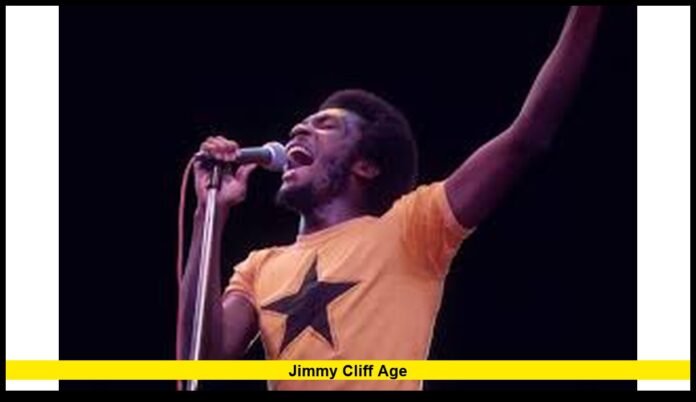

In the wake of the passing of Jamaican cultural icon Jimmy Cliff, the public focus has turned squarely to what his age—81—and the span of his life reveal about his extraordinary impact. Born in 1944 and dying on November 24, 2025, his full life now invites deep reflection on how that 81-year timeframe framed a career that helped carry reggae from Kingston to the world.
Below is a detailed look at how that age milestone intersects with key phases of his life, career achievements, and what it means for his legacy—especially from the U.S. vantage point where his music gained enduring resonance.
Bold Early Years: A Life Begun in 1944
Jimmy Cliff entered the world in Saint James Parish, Jamaica, on July 30, 1944, under his birth name James Chambers. By moving to Kingston as a teenager, he immersed himself in the vibrant sound-system culture that gave rise to ska, rocksteady, and then reggae.
That era laid the foundation for his career spanning multiple decades. When one considers that he reached 81 years, it means he directly witnessed and contributed to virtually the full arc of modern Jamaican music history—from the early 1960s right through to the digital age of streaming. That longevity is rare in any dress of popular music.
Peak Career Milestones Within an 81-Year Frame
Reaching the age of 81 is a significant marker—but what did Jimmy Cliff achieve during that time? Here are a few standouts:
- Film breakthrough and global exposure: His starring role in the movie The Harder They Come (1972) helped bring the music of Jamaica—and its ethos of struggle and hope—to a global audience.
- Chart-making songs: Tracks like “You Can Get It If You Really Want” and “Many Rivers to Cross” became touchstones within the U.S. and worldwide. His cover of “I Can See Clearly Now” found additional popularity through American film placement.
- Honors and recognition: Over his career he earned some of reggae’s highest accolades, including induction into the Rock & Roll Hall of Fame in 2010 and Jamaica’s Order of Merit.
- Enduring output until later years: Even as he approached the later decades of his life—his late 70s leading into his eighties—he continued to record, release albums, tour, and collaborate across genres.
When looked at through the lens of his 81 years, it’s clear that his career did not peak early and fade; rather, it evolved and persisted. That continuous activity adds weight to what 81 means in his case—not just as a number, but as the measure of a sustained influence.
Why That Specific Age Matters
Why do we place such emphasis on the age of 81 in relation to Jimmy Cliff? Because it frames the timeline of his influence, stretching from the beginnings of reggae’s export to the world through to its present-day legacy. For U.S. audiences, this age translates to:
- A living bridge between early reggae (which U.S. listeners encountered via film and soundtrack) and contemporary appreciation.
- A reminder that the man who helped make reggae visible globally lived long enough to see the genre’s impact solidify—and he contributed well into the 21st century.
- A marker that his creative life spanned not just genres but generations of listeners and artists—from the baby-boom era to today’s streaming listeners.
In short, his 81 years reflect both temporal depth and cultural reach.
Timeline of Milestones In the Context of 81 Years
Here is a simplified timeline showcasing how certain milestones align with his age:
| Year | Event | Approximate Age |
|---|---|---|
| 1944 | Born James Chambers in Jamaica | 0 |
| Early 1960s | Early recordings and discovery in Kingston scene | Late teens |
| 1972 | Starred in The Harder They Come | 28 |
| 2010 | Inducted into Rock & Roll Hall of Fame | ~66 |
| 2020s | Continued performing, recording, engaging globally | Mid-70s to early 80s |
| Nov 24, 2025 | Passed away at age 81 | 81 |
This timeline helps U.S. readers situate his life span alongside global music history and shows how his age at passing reflects a full arc—from 1940s Jamaica to 2025 global legacy.
Legacy Reflected Through an 81-Year Lens
Considering 81 years of life shines light on several legacy highlights:
- Cultural ambassador: He became more than just a reggae singer—he was a symbol of Jamaican culture reaching across oceans. The age milestone underscores that this role spanned decades.
- Influence on U.S. music and media: His music entered American pop culture through film soundtracks and collaborations. Reaching 81 means he watched many of the changes U.S. audiences underwent in how they consumed reggae and global music.
- Mentorship and inspiration: Through his long life he remained relevant to new artists and listeners. His longevity made him a living bridge for multiple generations.
- Persistence and evolution: Living to 81 while remaining active strongly suggests that his artistic drive did not wane. This pushes back against the stereotype of musicians fading early or retiring quietly.
- Completeness of impact: The fact that his age at death is a round figure—81—gives a sense of a complete life cycle in public memory. It invites reflection on all phases of his career rather than just the early peak.
How Americans Could Connect With That Age and Era
For U.S. readers, reflecting on the age of 81 opens concrete connections:
- Many of us grew up hearing “I Can See Clearly Now” or saw it in film—knowing he reached 81 helps frame how long that song has been in circulation and how it is still relevant.
- In the U.S., reggae’s influence spans from niche listeners to mainstream film and charts—his 81-year lifespan means he lived through the shift from niche import to mainstream awareness.
- For American artists and collaborations, 81 years suggests that those who worked with him benefited from decades of experience—many younger U.S. musicians can trace influence to his long career.
- For U.S. reggae fans, remembering that he died at 81 is a way of contextualising just how many “generations” his music spanned—from vinyl records to streaming playlists.
What That Final Age Signifies Right Now
The confirmation of 81 years at passing does a few critical things:
- It signals finality: his public life ends at a distinct point, making it easier for fans, scholars and music historians in the U.S. to mark his contributions.
- It invites retrospection: Knowing his age helps frame the full career—so when people in the U.S. revisit his work, they can reflect that he lived through the decades that he helped define.
- It promotes celebration: 81 years allows for a natural retrospective angle—how did a musician over eight decades manage to stay relevant, influence so many, and leave a sustained legacy?
- It encourages legacy building: U.S. radio, playlists, documentaries or cultural programs can now mark his lifespan—from 1944-2025—as a window into modern reggae history, which is tangible for U.S. audiences.
Final Thoughts
Understanding that Jimmy Cliff lived to be 81 adds richness and depth to how we remember him. It is not simply a component of his biography—it frames his entire story: the early start in Jamaica, the global breakthrough, the sustained influence, and the enduring legacy. For U.S. listeners and readers, that age helps anchor his place in music history—not just as a voice from the past but as someone whose life spanned so much of reggae’s journey and global reach.
Join the conversation—share your memories of his music, how his songs touched you, or how you discovered him. Stay tuned and stay inspired.