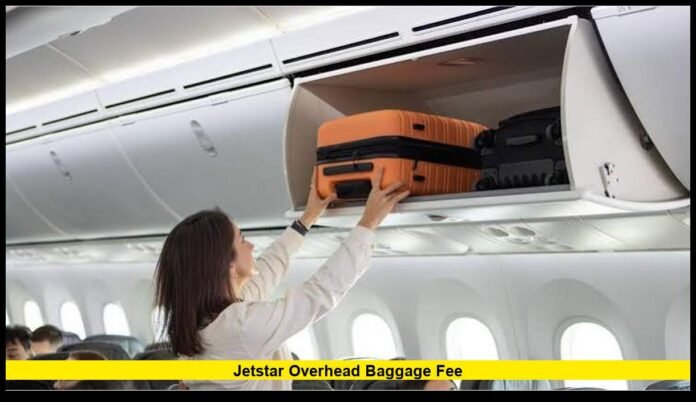

Jetstar is introducing one of the most significant changes to its cabin baggage policy in recent years with the rollout of the jetstar overhead baggage fee. The update will change how passengers pack, board, and pay for their flights by separating under-seat personal items from larger carry-on bags stored in overhead lockers. While the airline says the move is designed to improve boarding efficiency and give customers more choice, it has also prompted widespread discussion among travelers who are concerned about the growing number of optional charges attached to low-cost airfares.
For passengers planning future travel, understanding how the new system works will be important to avoid unexpected airport costs. From the implementation timeline to pricing, baggage limits, and practical packing tips, here is a comprehensive look at the policy and what it means for Jetstar customers.
A Major Change to Cabin Baggage Rules
For many years, travelers flying with Jetstar have been familiar with the airline’s standard carry-on baggage allowance. Passengers could generally bring a cabin bag that met the airline’s size and weight requirements without paying a separate fee specifically for using the overhead locker.
That approach is now changing.
Beginning in February 2027, Jetstar will introduce a system that distinguishes between passengers carrying only a small personal item and those who wish to place a larger bag in the overhead storage compartments.
Instead of including overhead locker access as part of the standard experience for eligible carry-on luggage, the airline will offer it as an optional paid service. Travelers who only need a backpack, handbag, laptop case, or another compact item that fits beneath the seat in front of them will continue to travel without paying an additional cabin baggage charge.
Passengers bringing larger cabin suitcases, however, will need to purchase overhead locker access if they want to keep those bags inside the aircraft cabin.
Why Jetstar Is Making the Change
Overhead storage has long been one of the biggest sources of delays during the boarding process. Travelers often compete for limited locker space, leading to congestion in the aisle as passengers search for available compartments. In many cases, cabin crew members must rearrange bags or ask customers to check luggage at the last minute because storage bins have already filled.
These situations can delay departures and create frustration for both passengers and airline staff.
By introducing reserved overhead locker access, Jetstar hopes to make boarding more predictable. Travelers who purchase the service will know they have dedicated space available for their cabin bags, while passengers carrying only under-seat items can board without worrying about finding locker space they do not need.
The airline also argues that separating these services allows customers to choose a lower-cost travel option if they pack lightly.
When the New Policy Takes Effect
The updated baggage rules are scheduled to begin in February 2027.
Passengers flying before the implementation date will continue to travel under the existing carry-on baggage rules that apply to their ticket.
Anyone booking flights for travel after the new policy starts should carefully review the baggage options presented during the booking process. Depending on the fare purchased, travelers may need to add overhead locker access if they intend to bring a standard cabin suitcase.
As with many optional airline services, purchasing baggage in advance is expected to remain less expensive than making changes closer to departure or at the airport.
Understanding the New Overhead Locker Option
The new system focuses on where a passenger’s bag will be stored during the flight.
Small personal belongings that fit entirely underneath the seat remain included with the ticket.
Examples include:
- Small backpacks
- Laptop bags
- Handbags
- Camera bags
- Tote bags
- Briefcases
- Small shoulder bags
These items must fit comfortably beneath the seat without blocking the aisle or emergency exits.
Larger cabin bags that require storage in the overhead compartments will require the purchase of Jetstar’s Priority Carry-On option.
In addition to overhead locker access, this service is expected to include priority boarding, allowing eligible passengers to board earlier and place their bags in the reserved storage area before general boarding begins.
How Much Will It Cost?
Pricing will vary depending on the route and travel destination.
Jetstar has indicated that domestic Australian flights will generally have lower overhead baggage charges than international services.
Current examples suggest:
- Domestic routes may start around AUD 25 each way.
- International flights may cost AUD 52 or more.
- Longer routes could carry higher fees depending on destination and demand.
The exact amount shown during booking may differ based on travel dates, route, and fare type.
As with other airline extras such as checked baggage and seat selection, purchasing the service at the time of booking is likely to provide the best value.
Changes to Carry-On Weight Limits
Another notable aspect of the policy involves carry-on weight allowances.
Traditionally, Jetstar has enforced a 7-kilogram limit for standard cabin baggage.
Under the revised approach, passengers traveling only with an under-seat personal item are expected to benefit from more flexibility because that traditional weight restriction will no longer apply in the same way.
Passengers purchasing overhead locker access may be permitted to carry cabin bags weighing up to 10 kilograms, depending on the applicable fare conditions.
The adjustment is intended to simplify airport procedures while reducing the need for frequent bag weighing at departure gates.
Travelers should still ensure their luggage meets the airline’s published size dimensions, as oversized cabin bags may still need to be checked.
How the Policy May Improve Boarding
Boarding delays often occur when passengers attempt to store more bags than available locker space allows.
Some travelers place small backpacks or coats inside the overhead bins even though those items could fit beneath the seat. Others arrive later during boarding only to discover that the nearest lockers are already full.
This forces cabin crew to relocate bags, rearrange luggage, or check items into the aircraft hold shortly before departure.
The new policy aims to reduce these situations by limiting overhead storage to passengers who have specifically purchased access.
If successful, the system could create:
- Faster boarding
- Reduced aisle congestion
- Fewer last-minute baggage checks
- More predictable storage availability
- Improved on-time departures
Whether those benefits materialize will become clearer after the policy has been in operation for some time.
Reaction From Travelers
The announcement has generated strong reactions across the travel community.
Supporters believe optional pricing gives customers greater control over how much they spend. Travelers who normally carry only a backpack or laptop bag may avoid paying for services they never use.
Others argue that separating overhead locker access from the base airfare makes ticket prices more complicated.
Many passengers are concerned that what was once considered a standard part of flying is gradually becoming another optional purchase.
The debate reflects a broader trend across the airline industry, where carriers increasingly separate individual services into optional extras rather than including them within the base ticket price.
How Jetstar Compares With Other Budget Airlines
Jetstar is not the first airline to adopt this type of pricing model.
Several low-cost airlines operating in Europe, North America, and other international markets already distinguish between under-seat personal items and larger carry-on bags.
Basic economy fares offered by many carriers include only a small personal item, while passengers pay separately for overhead cabin baggage, checked luggage, seat selection, meals, and boarding priority.
Jetstar’s updated approach aligns more closely with these international pricing strategies.
Although some travelers dislike the additional charges, airlines argue that unbundled pricing allows customers to purchase only the services they actually require.
What Happens to Checked Baggage?
The introduction of overhead locker charges does not replace Jetstar’s existing checked baggage options.
Passengers who need additional luggage can still purchase checked baggage allowances during the booking process.
Checked baggage remains the preferred option for travelers carrying larger suitcases, sporting equipment, or heavier items that exceed cabin baggage limits.
Buying checked baggage online before arriving at the airport generally remains the most economical option compared with paying airport rates.
Practical Tips for Travelers
Preparing ahead can help passengers avoid unnecessary fees and airport stress.
Consider the following suggestions before your flight:
Pack Light
If possible, travel with a compact backpack or personal item that fits beneath the seat.
Check Bag Dimensions
Even if your luggage is lightweight, exceeding the permitted dimensions could require checking the bag.
Purchase Extras Early
Optional services such as overhead locker access and checked baggage are usually less expensive when added during the original booking.
Review Fare Inclusions
Not every fare includes the same benefits. Carefully reviewing what is included before confirming your booking can prevent surprises later.
Arrive Prepared
Keeping travel documents, electronics, and valuables inside your personal item makes boarding and security screening easier.
What Travelers Should Expect Going Forward
The new system represents another step in the evolution of airline pricing, particularly among low-cost carriers.
As airlines continue looking for ways to improve operational efficiency while offering competitive headline fares, optional services are becoming increasingly common.
For travelers, this means comparing more than just the advertised ticket price.
Before booking any flight, passengers should consider:
- Cabin baggage requirements
- Checked baggage costs
- Seat selection fees
- Boarding options
- Total travel cost rather than base fare alone
Understanding these details in advance allows travelers to choose the fare that best matches their travel style.
Preparing for Future Flights
Passengers planning trips after February 2027 should become familiar with Jetstar’s updated baggage rules well before departure.
Checking baggage allowances during the booking process, measuring cabin luggage at home, and deciding whether overhead locker access is necessary can help reduce travel costs and avoid unexpected charges at the airport.
Travelers who typically pack light may find little difference in their overall travel experience. Those who rely on traditional cabin suitcases, however, will likely need to budget for the additional service when calculating the total cost of their trip.
As airlines continue refining their pricing models, jetstar overhead baggage fee will become an important consideration for anyone booking future flights with the carrier. Understanding the policy before arriving at the airport will help ensure a smoother boarding experience and fewer surprises on travel day.
Whether you support or oppose the new baggage policy, staying informed before booking your next flight can help you avoid unexpected fees and make smarter travel decisions. Share your thoughts and keep following for the latest airline updates.