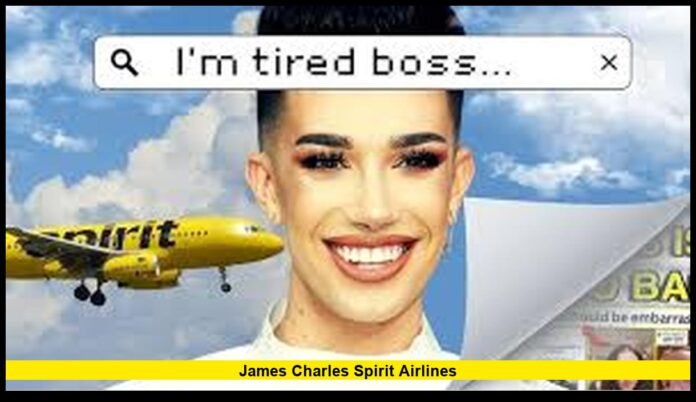

The internet continues buzzing over the growing james charles spirit airlines controversy after beauty influencer James Charles faced intense criticism for remarks made about a former airline employee affected by the recent collapse of Spirit Airlines. The situation rapidly became one of the most talked-about social media stories in the United States, drawing reactions from creators, airline workers, and millions of online users discussing influencer culture, public responsibility, and financial struggles during uncertain economic times.
The controversy erupted shortly after Spirit Airlines officially ceased operations, leaving thousands of employees suddenly unemployed. During that period, a former employee reportedly reached out to James Charles requesting financial assistance through a fundraiser link. Charles later responded publicly through a TikTok video that many viewers considered harsh and dismissive, sparking a wave of backlash across multiple platforms.
Within hours, clips from the video spread across TikTok, Instagram, X, and YouTube commentary channels. The story quickly evolved from a single online disagreement into a nationwide debate about celebrity privilege, empathy, and how influencers interact with followers during difficult moments.
The online conversation keeps changing by the hour as more creators, former airline workers, and viewers weigh in on the controversy and its broader impact on internet culture.
Spirit Airlines Shutdown Left Thousands Facing Uncertainty
The controversy surrounding James Charles arrived during a particularly emotional moment for many Americans affected by the sudden shutdown of Spirit Airlines. The low-cost airline had served millions of travelers for decades before financial struggles ultimately forced the company to halt operations.
The closure disrupted flights nationwide and left approximately 17,000 employees without work. Travelers across the country reported canceled trips, confusion at airports, and difficulties finding replacement flights. Meanwhile, employees faced uncertainty about healthcare, housing costs, and future employment opportunities.
Former pilots, flight attendants, gate agents, and customer service workers took to social media to share their experiences after losing jobs connected to the airline’s shutdown. Some workers described learning about the closure with little warning, while others posted emotional videos discussing how quickly their financial situations changed.
Public sympathy for airline employees grew rapidly online. Many Americans related to fears surrounding layoffs and economic instability, especially during a period when inflation and rising living costs continue affecting households nationwide.
That emotional atmosphere became an important factor in how viewers reacted to the James Charles situation.
How the Viral Video Sparked Outrage
According to screenshots and reposted clips circulating online, a former Spirit Airlines employee contacted James Charles asking for support through a fundraising campaign after losing employment.
Charles later posted a video discussing the message. In the clip, he criticized the request and used language that many viewers described as unnecessarily aggressive. The response immediately triggered outrage online.
Users accused the influencer of mocking someone who had recently lost their livelihood during a highly publicized corporate collapse. Critics argued that regardless of whether he wanted to donate money, the tone of the video crossed a line.
The backlash intensified as clips continued spreading online. Thousands of users reposted portions of the video alongside commentary criticizing Charles for appearing insensitive toward laid-off workers.
Some viewers pointed out that influencers with large platforms often face donation requests from followers and strangers alike. However, critics maintained that the issue was not about refusing financial help but rather the public manner in which the request was discussed.
As the debate escalated, hashtags connected to the controversy began trending across social media platforms.
Social Media Users Split Over the Situation
The reaction online quickly divided into multiple camps.
One group strongly criticized James Charles, arguing that public figures should show more compassion when discussing people facing unemployment and financial hardship. These critics believed the comments reflected a disconnect between wealthy internet celebrities and ordinary Americans struggling economically.
Another group defended Charles, saying influencers are frequently targeted with donation requests and should not feel obligated to contribute financially every time someone asks for assistance.
Some users also argued that social media culture encourages public overreactions and outrage. They claimed the situation escalated largely because viral clips spread without broader context.
Still, many viewers continued focusing on the tone of the response rather than the financial aspect itself.
The controversy remained one of the top entertainment and influencer discussions online for several consecutive days, with reaction videos generating millions of views across TikTok and YouTube.
James Charles Issues Public Apology
As criticism intensified, James Charles addressed the controversy publicly.
The influencer posted an apology acknowledging that the video upset many people and admitting the response was inappropriate. He said emotions influenced the original reaction and expressed regret over how the situation unfolded online.
The apology generated another major wave of discussion.
Some viewers accepted the apology and appreciated that Charles addressed the situation directly rather than ignoring criticism. Others argued the apology arrived only after widespread backlash damaged his public image.
Reports later circulated online indicating that Charles also contributed financially to the former employee’s fundraiser. That development softened criticism among some supporters, though others believed the damage to his reputation had already been done.
The situation once again demonstrated how quickly online controversies can escalate in today’s social media environment.
Why the Story Became Bigger Than One Video
The james charles spirit airlines backlash expanded far beyond a single viral clip because it touched on larger issues already dominating public conversation in America.
The story combined several emotionally charged topics at once: economic anxiety, layoffs, influencer wealth, and social media behavior.
Millions of Americans continue dealing with financial pressures tied to inflation, rising rent prices, and job insecurity. Against that backdrop, many viewers strongly identified with laid-off airline employees struggling to recover after losing stable employment.
At the same time, influencer culture continues facing growing scrutiny online. Critics frequently question whether wealthy creators fully understand the realities experienced by average workers.
This controversy became a flashpoint for those frustrations.
For many viewers, the story symbolized a larger divide between internet celebrities and ordinary Americans facing economic hardship.
Others argued the outrage reflected unrealistic expectations placed on influencers, who often receive countless personal requests from followers every day.
That debate fueled nonstop discussion across social media platforms.
Spirit Airlines Workers Continue Sharing Emotional Stories
As the controversy remained viral, more former Spirit Airlines employees began publicly discussing the impact of the airline’s shutdown on their lives.
Flight attendants described scrambling to update resumes and search for work in a competitive job market. Some employees worried about maintaining healthcare coverage for their families. Others discussed concerns about paying rent, car loans, and monthly bills without stable income.
Many workers also shared memories of building careers at the airline over several years.
Videos filmed inside empty airport terminals and former crew lounges attracted widespread attention online. Some workers thanked supporters who donated to fundraising campaigns or helped connect them with potential employers.
These personal stories increased public sympathy for airline staff and intensified criticism directed toward public figures perceived as dismissive about workers’ struggles.
The emotional reactions showed how deeply the airline’s closure affected thousands of families across the country.
Influencer Culture Faces New Questions
The controversy also reignited broader conversations about the responsibilities of internet celebrities.
Modern influencers operate in an environment where nearly every statement can become headline news within minutes. Viral clips spread instantly, and public opinion often forms before creators have an opportunity to clarify or respond.
Some experts in digital culture argue that creators face intense pressure to appear relatable while also maintaining enormous audiences and business brands.
That balancing act becomes especially difficult during emotionally charged situations involving politics, layoffs, or financial hardship.
The James Charles controversy highlighted how quickly a single emotional response can evolve into a major reputational issue online.
Many viewers argued influencers should communicate more carefully when discussing sensitive topics involving unemployed workers or economic stress.
Others warned that social media outrage cycles often encourage extreme reactions from both creators and audiences.
Either way, the situation demonstrated the enormous power platforms like TikTok now hold over celebrity reputations and public conversations.
TikTok Continues Driving Viral Entertainment News
The rapid spread of the controversy once again showed TikTok’s growing influence over modern entertainment reporting.
A decade ago, celebrity controversies often unfolded through television interviews or tabloid coverage over several days. Today, viral moments spread nationwide within hours through short video clips and reposted content.
Users across multiple platforms immediately began analyzing, reacting to, and debating the James Charles video. Reaction creators generated millions of views discussing the controversy, while commentary channels produced detailed breakdowns of the backlash.
This style of rapid digital storytelling has transformed how celebrity news develops in the United States.
Public opinion now shifts almost instantly as viral clips circulate online.
The James Charles situation became another example of how internet culture can magnify controversies at unprecedented speed.
What Happens Next
James Charles remains one of the most recognizable names in the beauty influencer industry despite facing multiple controversies throughout his career.
Whether this latest backlash causes lasting damage remains uncertain. Internet audiences often move quickly from one viral controversy to the next, especially in the fast-moving world of TikTok and influencer culture.
Still, the controversy has already become closely associated with broader conversations about layoffs, economic hardship, and influencer privilege in America.
For former Spirit Airlines employees, the focus continues shifting toward rebuilding careers and finding new opportunities after the company’s closure.
Meanwhile, social media users continue debating whether public figures should be held to higher standards when responding to people facing financial hardship.
The online conversation surrounding the controversy shows no signs of disappearing completely anytime soon.
What are your thoughts on the James Charles controversy and the intense debate surrounding influencer responsibility during difficult economic times? Join the conversation and stay updated on the latest developments.