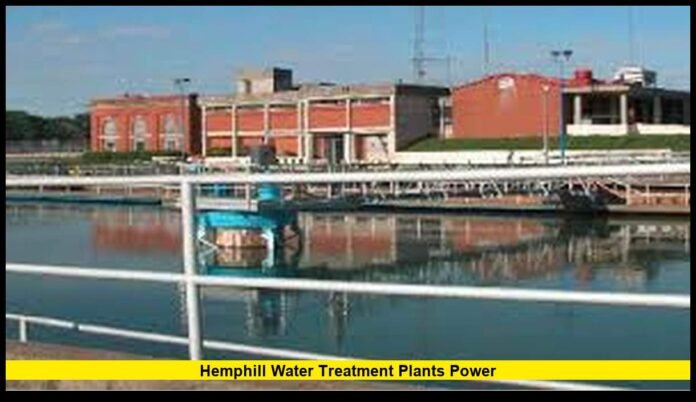

A sudden operational failure at the hemphill water treatment plant sent shockwaves across Atlanta on Friday, forcing city officials to issue a widespread boil water advisory that affected downtown neighborhoods, businesses, restaurants, apartment towers, and public facilities. Residents woke up to reports of low water pressure, service interruptions, and urgent warnings from city leaders urging people to boil tap water before use.
The disruption quickly became one of the most talked-about infrastructure emergencies in the city this month as crews worked around the clock to stabilize the system and restore normal water operations. The incident disrupted daily routines for thousands of people and raised fresh concerns about the reliability of aging water infrastructure in major U.S. cities.
Atlanta residents across impacted areas were told to use boiled or bottled water for drinking, cooking, brushing teeth, and food preparation while emergency teams evaluated water quality conditions and monitored pressure throughout the system.
People in affected neighborhoods are encouraged to continue checking local updates and follow all public safety guidance as restoration efforts continue.
Power Failure Leads to Water System Emergency
City officials said the disruption began after an internal electrical failure affected operations at the treatment facility. The issue reduced water pressure in parts of the distribution network, prompting authorities to activate emergency response procedures.
When water pressure drops below operational standards, public health precautions typically follow because lower pressure can increase the risk of outside contaminants entering water lines. Officials responded by issuing a boil water advisory for impacted service zones while crews worked to restore full pressure and complete system testing.
The sudden nature of the disruption created immediate concern among residents and business owners, especially in densely populated downtown districts where reliable water access is critical for homes, offices, restaurants, hospitals, hotels, and transportation hubs.
Crews began working on repairs shortly after the issue was identified, while city agencies coordinated public messaging and emergency communications.
Residents Experience Low Pressure and Water Interruptions
Across multiple Atlanta neighborhoods, residents reported fluctuating water pressure throughout the morning and afternoon. Some households temporarily lost water service altogether, while others noticed discolored water or weak flow from faucets and showers.
High-rise apartment buildings and office towers appeared especially vulnerable to the pressure problems because tall structures rely heavily on stable municipal water pressure to move water efficiently through upper floors.
Many residents rushed to stores to purchase bottled water and emergency supplies after the advisory was announced. Grocery stores in some areas reportedly saw shelves clear quickly as customers prepared for extended disruptions.
In several apartment communities, management companies distributed notices reminding tenants not to consume tap water unless it had been boiled properly.
For many residents, the disruption caused significant inconvenience heading into the weekend. Families adjusted meal plans, schools reviewed sanitation procedures, and local businesses scrambled to adapt operations.
Restaurants and Businesses Face Immediate Challenges
The advisory created operational headaches for restaurants, cafes, bars, and food-service establishments throughout the affected zones.
Businesses dependent on running water had to quickly change procedures to comply with safety recommendations. Some restaurants switched entirely to bottled water for food preparation and beverage service, while others temporarily reduced menu offerings.
Coffee shops, bakeries, and fast-food locations also faced sanitation concerns involving ice machines, soda dispensers, dishwashing systems, and food preparation areas.
Hotels across downtown Atlanta notified guests about the advisory and provided instructions regarding safe water use. Office buildings alerted tenants and encouraged employees to avoid consuming tap water until additional guidance became available.
For commercial property managers, the situation triggered emergency response plans involving plumbing systems, sanitation protocols, and communication efforts.
Several local business owners expressed frustration about the timing of the disruption, particularly during a busy period for downtown activity and weekend tourism.
Public Health Officials Urge Caution
Health officials emphasized that boil water advisories are precautionary measures designed to reduce health risks while water systems undergo testing and stabilization.
Residents were instructed to bring water to a rolling boil for at least one minute before using it for:
- Drinking
- Cooking
- Brushing teeth
- Washing produce
- Making baby formula
- Preparing beverages
Authorities also advised residents to avoid consuming ice made from tap water and recommended discarding existing ice from refrigerators and commercial machines.
People with weakened immune systems, elderly residents, and infants were encouraged to exercise extra caution during the advisory period.
Officials explained that while the advisory does not necessarily mean contamination has occurred, pressure disruptions create conditions where bacteria or other contaminants could potentially enter the system.
Water quality testing procedures were launched across affected service areas as part of the city’s emergency response efforts.
Why Water Pressure Matters So Much
Water treatment and distribution systems rely on carefully controlled pressure levels to move clean water safely through underground pipes and into homes and businesses.
When pressure drops unexpectedly, outside contaminants can sometimes enter damaged pipes or compromised sections of infrastructure. That possibility is why cities issue boil water advisories even before contamination is detected.
The process of lifting a boil water advisory usually involves:
- Restoring stable water pressure
- Conducting extensive water quality testing
- Collecting multiple rounds of samples
- Verifying safe laboratory results
- Monitoring distribution systems
Only after those steps are completed can officials determine that water is safe for normal use again.
The process can take many hours or, in some cases, more than a day depending on the size of the affected area and the complexity of the disruption.
Infrastructure Concerns Return to National Spotlight
The incident involving the hemphill water treatment plant has renewed conversations about infrastructure reliability not only in Atlanta but across the country.
Many U.S. cities continue operating aging water systems that require major upgrades, modernization projects, and expanded emergency backup capabilities. Water treatment plants depend heavily on electrical systems, digital monitoring equipment, pumps, pipelines, and automated controls.
Even short-term failures can affect thousands of residents within minutes.
Infrastructure experts have increasingly warned that older utility systems face growing pressure from:
- Population growth
- Extreme weather events
- Aging pipelines
- Electrical vulnerabilities
- Rising maintenance costs
- Increased urban demand
Atlanta has already invested heavily in infrastructure improvements in recent years, including projects tied to treatment facilities, water lines, and modernization of operational technology systems.
Recent procurement activity connected to the Hemphill facility also highlighted plans involving upgrades to control systems and monitoring technology designed to improve long-term reliability.
Emergency Crews Work Around the Clock
As the advisory remained active, city crews continued monitoring water pressure levels and conducting repairs throughout the day.
Technicians focused on restoring full operational stability while engineers evaluated equipment connected to the original failure.
Officials also coordinated with emergency management personnel and public health teams to ensure residents received updated guidance.
Utility workers faced pressure to restore normal service quickly because downtown Atlanta contains a dense concentration of residential towers, hotels, restaurants, entertainment venues, government offices, and transportation infrastructure.
Water systems in major cities operate continuously, meaning even brief interruptions can create widespread ripple effects.
Crews also worked to identify whether any secondary issues emerged elsewhere in the distribution network after the pressure drop.
Residents Adapt to Temporary Restrictions
Throughout Friday, Atlanta residents adjusted routines to comply with the advisory.
Families boiled large pots of water for cooking and drinking while businesses stocked bottled supplies for employees and customers.
Parents prepared safe water for children, while apartment residents shared updates with neighbors about changing pressure conditions in buildings.
Many residents used social media to compare experiences across neighborhoods, with reports ranging from weak pressure to complete temporary outages.
Community groups and local organizations also began sharing safety reminders to help residents navigate the disruption.
For some Atlanta residents, the incident revived memories of previous infrastructure emergencies and water-related disruptions that affected parts of the city in past years.
Downtown Activity Impacted by Water Advisory
Downtown Atlanta’s busy commercial environment amplified the impact of the advisory.
The area serves as a major center for tourism, entertainment, business operations, and government activity. Any disruption affecting water access can quickly influence thousands of workers, visitors, and residents.
Hotels implemented contingency plans for guests while restaurants worked to maintain operations safely.
Commercial towers coordinated with tenants regarding restroom access, sanitation procedures, and safe water use protocols.
The disruption also affected some fitness centers, public venues, and entertainment spaces dependent on continuous water access.
For businesses already dealing with rising operating costs, the advisory created another layer of logistical and operational challenges.
Water System Modernization Projects Gain New Attention
The latest incident may place additional focus on ongoing modernization plans tied to Atlanta’s water infrastructure.
Recent project discussions connected to the Hemphill facility included upgrades involving:
- Supervisory control systems
- Automation improvements
- Electrical reliability enhancements
- Updated monitoring technology
- Communication network upgrades
Modern treatment plants rely heavily on digital systems capable of monitoring flow rates, chemical treatment processes, pumping activity, and emergency conditions in real time.
Cities nationwide have increasingly prioritized investments aimed at improving resilience against outages and operational disruptions.
Infrastructure advocates argue that modernization projects help reduce the likelihood of widespread failures while improving emergency response capabilities when incidents occur.
What Happens Next
City officials said the boil water advisory will remain in effect until all testing and operational reviews are completed.
Residents in affected areas should continue following all safety recommendations until authorities announce that the system has returned to normal operation.
Once advisories are lifted, households may still need to take additional steps such as:
- Flushing faucets
- Running cold water lines
- Discarding old ice
- Replacing water filters
- Cleaning appliances connected to water systems
Officials also encouraged residents experiencing ongoing outages or unusually low pressure to report problems through city service channels.
As crews continue repairs and testing, many Atlanta residents remain focused on how quickly full service can be restored and what long-term improvements may follow this latest infrastructure emergency.
Have water pressure issues or service interruptions affected your neighborhood? Share your experience and stay tuned for the latest developments from across Atlanta.