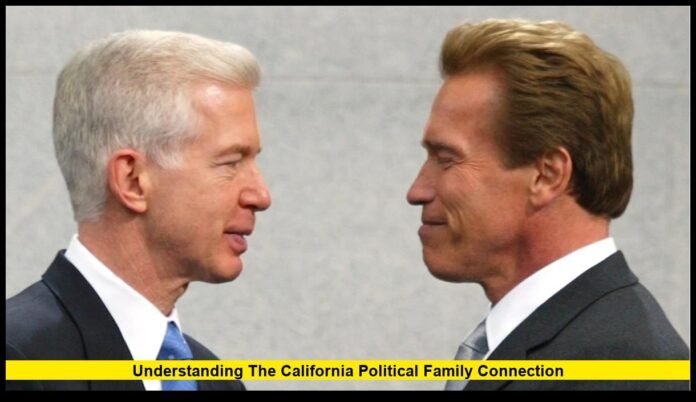

For years, people have wondered: is Gavin Newsom related to Nancy Pelosi? The question comes up every election season, often sparking curiosity and sometimes confusion. Both are powerful Democrats from California, both share deep roots in San Francisco’s political and business circles — and both are among the most influential figures in modern American politics.
The answer is yes, they are related — but only by marriage, not by blood. Their families are part of the same extended political network that has shaped California’s leadership for decades. Understanding how Gavin Newsom and Nancy Pelosi are connected offers insight into the intertwined world of San Francisco politics and the state’s long legacy of civic influence.
A Quick Answer: The Family Connection Explained
So, is Gavin Newsom related to Nancy Pelosi? The answer lies in their extended family tree.
Nancy Pelosi’s brother-in-law, Ron Pelosi, was once married to Gavin Newsom’s aunt, Barbara Newsom. That means the two families are connected through marriage, not through a direct bloodline.
To put it simply:
- Gavin Newsom’s father was William Alfred Newsom III, a California judge and advisor to the Getty family.
- Gavin’s aunt, Barbara Newsom, married Ron Pelosi, who is Nancy Pelosi’s brother-in-law.
This makes the Pelosis and Newsoms part of an extended family network, but not immediate relatives. Despite frequent claims online, Nancy Pelosi is not Gavin Newsom’s aunt, cousin, or direct family member.
The Origins of Two Political Families: A Legacy of Service, Influence, and California Power
The political connection between the Newsom and Pelosi families runs deeper than party affiliation. It reflects decades of intertwined histories, shared values, and a mutual commitment to civic duty that has shaped California’s modern political landscape. Although they hail from different coasts and backgrounds, both families embody a long-standing dedication to public service and leadership within the Democratic Party.
Nancy Pelosi: A Political Legacy Born in Baltimore
Nancy Pelosi’s story begins far from the Golden State. Born Nancy D’Alesandro in Baltimore, Maryland, she grew up surrounded by politics. Her father, Thomas D’Alesandro Jr., was a prominent figure in the Democratic Party, serving as both a U.S. Congressman and later as the Mayor of Baltimore. Her mother, Annunciata D’Alesandro, was also deeply involved in civic causes, especially those that supported women and immigrant communities.
In the D’Alesandro household, politics wasn’t just a profession — it was a family tradition. Nancy learned the art of campaigning and community service from a young age. Her father’s mayoral office doubled as her first classroom in leadership, where she watched citizens seek help, solutions, and opportunities from city officials. These early experiences shaped Pelosi’s political instincts and her lifelong belief in grassroots organizing. She understood early on that politics could be a powerful force for good — a way to uplift communities and expand opportunity.
A Move West: Building the Pelosi Legacy in California
Nancy’s journey took a decisive turn when she married Paul Pelosi, a successful businessman and investor from San Francisco. The couple moved west, where they built not only a family but also a new political network that would soon become one of the most influential in California.
In San Francisco, Nancy Pelosi found a city that aligned with her values: diverse, progressive, and deeply engaged in civic life. She immersed herself in local Democratic politics, volunteering, fundraising, and supporting candidates long before she ran for office herself. Her sharp political instincts and tireless work ethic quickly gained her recognition within California’s Democratic establishment. By the late 1980s, she was elected to Congress, representing California’s 5th District, which included San Francisco. Over the years, she rose through the ranks to become the first female Speaker of the U.S. House of Representatives, breaking barriers and setting new precedents for women in government.
Through it all, the Pelosi family maintained close ties with California’s business, political, and philanthropic communities. Their blend of East Coast tradition and West Coast innovation made them a cornerstone of Democratic leadership on both the state and national levels.
Gavin Newsom: A New Generation of California Leadership
While the Pelosis were solidifying their influence in Congress, another future leader was coming of age in San Francisco — Gavin Newsom. Born in 1967, Newsom grew up in a city where politics, business, and civic activism intersected constantly.
His father, Judge William Newsom, was a respected legal scholar and a man with deep ties to California’s elite families. He was not only a state appeals court judge but also a close friend and adviser to Gordon Getty, the heir to the Getty Oil fortune. Those connections would play a pivotal role in Gavin’s early career, providing mentorship, opportunity, and exposure to the complex world of politics and philanthropy.
The Newsom family was rooted in public service and progressive ideals, though their approach differed from the traditional East Coast political dynasties like the D’Alesandros. Their influence came through law, civic institutions, and business rather than elected office — at least until Gavin decided to enter politics.
From Business to Politics: Newsom’s Path to Power
Before stepping into the political arena, Gavin Newsom made his name as an entrepreneur. With support from family friends, including the Gettys, he launched PlumpJack, a wine and hospitality brand that grew into a successful business empire across California.
His business success and civic involvement caught the attention of San Francisco’s political establishment, where Nancy Pelosi and her allies were deeply influential. It wasn’t long before Newsom was appointed to the San Francisco Board of Supervisors by then-Mayor Willie Brown in 1997 — marking the beginning of a political career that would eventually take him to the Governor’s Mansion in Sacramento.
Newsom’s rise reflected a blend of modern charisma, business acumen, and social progressivism. His focus on issues like same-sex marriage, environmental policy, and economic reform resonated with California’s forward-thinking voters.
Shared Values and Mutual Influence
Though the Pelosis and Newsoms come from different generations and social circles, their political philosophies align closely. Both families emphasize public service, equality, and innovation in governance. They also share an ability to blend business insight with social policy — a hallmark of California’s modern Democratic leadership.
Their paths crossed frequently in San Francisco politics. Nancy Pelosi was a mentor and early supporter of Newsom, and the families’ relationship reflects decades of collaboration in Democratic fundraising and civic causes. In many ways, their shared story mirrors the evolution of California itself — from an industrial economy to a global hub of innovation and progressive leadership.
Two Dynasties, One Vision for California’s Future
The Pelosi and Newsom families represent two halves of the same California ideal. One began on the East Coast, rooted in old-school politics and grassroots organizing. The other rose from West Coast entrepreneurship and judicial service. Yet, both embody the belief that leadership should serve the public good.
Their partnership — political, personal, and generational — continues to influence the state’s direction. Nancy Pelosi remains one of the most powerful figures in Washington, shaping national policy. Meanwhile, Gavin Newsom, as California’s Governor, carries forward a vision of progress rooted in inclusion, environmental responsibility, and economic opportunity.
The Enduring Influence of Two Families
Together, the Pelosis and Newsoms have helped define California’s political identity for more than half a century. Their combined legacy underscores the importance of family, service, and vision in shaping public life. As one generation transitions to the next, the bond between these families symbolizes continuity — a reminder that leadership built on shared purpose can transcend time and geography.
In the end, the stories of Nancy Pelosi and Gavin Newsom are not just about two political families, but about a shared belief in progress, community, and the enduring power of public service.
How Their Paths Crossed
Although their family connection is distant, Nancy Pelosi and Gavin Newsom have frequently crossed paths through decades of political leadership rooted in San Francisco’s powerful Democratic network.
Both leaders emerged from the same political ecosystem that has long defined California’s progressive identity. Pelosi, who has represented San Francisco in Congress since 1987, became a national figure as the first woman to serve as Speaker of the House. Newsom, meanwhile, launched his career in the same city, first as a member of the San Francisco Board of Supervisors, then as mayor, before rising to become California’s governor.
Their shared base in San Francisco’s Democratic establishment naturally brought them together — at campaign fundraisers, policy summits, and community initiatives. Both have drawn support from many of the same donors, activists, and political families that dominate the city’s civic life.
Pelosi has long been seen as a mentor and guiding influence for younger California Democrats, including Newsom, whose early career benefited from her political network and support. Over the years, Newsom has consistently expressed admiration for Pelosi’s strategic brilliance, resilience, and role in shaping modern Democratic politics at both the state and national levels.
While they pursue distinct political agendas — Pelosi in Washington and Newsom in Sacramento — their collaboration reflects a defining feature of California politics: a tight-knit alliance of leaders connected by shared ideals, overlapping constituencies, and a mutual commitment to progressive governance.
Read Also-Gavin Newsom Mother: The Inspiring Story of Tessa Newsom’s Strength and Legacy
The San Francisco Political Network
To understand is Gavin Newsom related to Nancy Pelosi, it helps to recognize the nature of San Francisco’s political ecosystem.
For decades, the Bay Area has been home to an interconnected network of politicians, philanthropists, and business leaders. Families like the Newsoms, Pelosis, Browns, and Gettys have formed what many describe as the “California political circle.”
This isn’t about nepotism — it’s about generations of leaders working together on shared causes: education, social justice, and economic development.
- The Getty family helped finance Newsom’s early business and campaign ventures.
- The Pelosi family helped organize grassroots Democratic networks across Northern California.
- The Brown family — including former Governor Jerry Brown — maintained close professional ties with both.
As a result, the Newsom–Pelosi connection fits naturally within the city’s long-standing web of civic and political alliances.
Public Misconceptions and Viral Myths
In the social media era, claims about powerful families often spread without context. Many posts wrongly suggest that Nancy Pelosi is Gavin Newsom’s aunt or that he benefited directly from her influence.
These rumors are inaccurate. Their relationship is distant and largely ceremonial through extended family marriage. Both politicians built their careers independently, supported by distinct networks.
It’s true that they share donors, allies, and political values — but that’s common among members of the same party and region. There’s no evidence that Pelosi had any role in Newsom’s rise to the governorship.
Still, because they represent two generations of California Democrats, the misconception persists — often used by critics as an example of “California political families.”
Must Read- Is Gavin Newsom Married? A Look Inside the Governor’s Marriage, Family, and Public Life
Their Shared Political Vision
Although their relationship is distant, Gavin Newsom and Nancy Pelosi share many policy goals. Both advocate progressive ideals that define the California Democratic identity:
- Climate Action: Both have championed aggressive environmental policies and renewable energy investment.
- Healthcare Access: Each supports expanding affordable healthcare and protecting the Affordable Care Act.
- Social Equality: They are vocal advocates for LGBTQ+ rights, women’s empowerment, and racial justice.
- Economic Reform: Both emphasize fairness, housing equity, and middle-class opportunity.
Newsom often refers to Pelosi’s leadership in Washington as “historic,” particularly during her tenure as Speaker of the House. Meanwhile, Pelosi has publicly praised Newsom’s handling of California’s crises — from wildfires to the COVID-19 pandemic.
Key Differences in Their Political Styles
Despite their shared Democratic values and California roots, Nancy Pelosi and Gavin Newsom embody distinctly different political styles shaped by their eras, experiences, and spheres of influence.
Pelosi is the quintessential legislative strategist — a master negotiator whose power comes from her command of process, discipline, and coalition-building. She is renowned for her ability to unite diverse factions within the Democratic Party, navigate complex congressional dynamics, and deliver results on landmark issues such as the Affordable Care Act and major infrastructure legislation. Her leadership style is measured, tactical, and rooted in decades of institutional knowledge. Pelosi thrives in the realm of policymaking, relationships, and long-term political architecture rather than public spectacle.
Newsom, by contrast, reflects a modern, media-savvy brand of leadership. As governor, he has positioned himself as a national figure by taking bold, high-visibility stances on key issues like climate action, reproductive rights, and gun safety. His speeches, digital presence, and policy rollouts are designed not only for Californians but for a national audience, projecting California as a model for progressive governance.
While Pelosi’s influence is built behind the scenes in Washington’s corridors of power, Newsom operates in the public spotlight, leveraging media platforms and storytelling to shape political narratives. She moves votes; he moves public opinion.
In essence, Pelosi represents the institutional backbone of the Democratic Party — steady, strategic, and focused on legislative outcomes — while Newsom symbolizes its forward-looking, aspirational wing, using California’s platform to push the boundaries of what progressive policy can achieve in the 21st century.
How Family Ties Reflect California’s Political Landscape
The question “Is Gavin Newsom related to Nancy Pelosi?” points to something far deeper than simple family connections — it highlights how California’s political leadership is built on enduring networks of relationships, mentorship, and shared civic responsibility.
San Francisco, in particular, has long been a breeding ground for Democratic power, where politics, philanthropy, and business intersect to shape not just the city’s future, but the nation’s. Within this ecosystem, relationships often span decades and even generations. Families connected through civic engagement, donor networks, and community leadership have cultivated a unique continuity in California’s political culture.
Both Pelosi and Newsom come from families deeply intertwined with public service. Pelosi’s father, Thomas D’Alesandro Jr., served as mayor of Baltimore and a U.S. congressman, instilling in her a lifelong dedication to political leadership. Newsom, meanwhile, grew up within circles that overlapped with the Brown and Pelosi families, long-time pillars of California’s Democratic elite. Though their exact familial connection is distant — through marriage ties rather than direct bloodline — their shared environment reflects a common heritage of civic-minded leadership.
These interwoven family and political ties don’t automatically translate into political power, but they do create a culture of continuity and mentorship. Veteran leaders like Pelosi pass on institutional wisdom and political discipline to younger figures like Newsom, ensuring that California’s progressive legacy remains both dynamic and resilient.
Ultimately, their connection symbolizes the strength of California’s Democratic network — a system that blends tradition with innovation, allowing seasoned policymakers and ambitious reformers to collaborate in advancing the state’s vision of inclusive, forward-thinking governance.
Recent Cooperation and Public Appearances
In recent years, Pelosi and Newsom have shared the stage at major California events. They appeared together at ceremonies promoting wildfire recovery, infrastructure investment, and climate resilience programs.
- During the COVID-19 pandemic, Pelosi and Newsom worked closely on federal relief coordination.
- At California Climate Summits, both emphasized the state’s global role in environmental leadership.
- When Pelosi stepped down as Speaker in 2023, Newsom publicly praised her as “a California icon and a moral compass for the nation.”
Their public relationship remains one of mutual respect and professional partnership — shaped by shared roots but defined by independent accomplishments.
Separate Achievements, Shared Legacy
Both leaders have built impressive records that stand on their own merit.
Nancy Pelosi’s Key Achievements:
- First woman to serve as Speaker of the U.S. House of Representatives.
- Instrumental in passing major legislation like the Affordable Care Act and the Inflation Reduction Act.
- Oversaw historic votes on climate, healthcare, and infrastructure.
Gavin Newsom’s Key Achievements:
- Legalized same-sex marriage as San Francisco mayor in 2004 — before national recognition.
- Elected as Governor of California, implementing bold initiatives on climate, housing, and education.
- Survived a 2021 recall election, reaffirming voter confidence in his leadership.
Their shared legacy lies in their ability to turn California’s progressive ideals into national models for reform.
Conclusion: A Distant Relation, A Shared Mission
So, is Gavin Newsom related to Nancy Pelosi? Yes — but only through marriage, not by blood. Their connection comes from Nancy’s brother-in-law’s former marriage to Gavin’s aunt.
Beyond that, their real bond is built on shared purpose. Both embody California’s progressive spirit — advocating for equality, environmental protection, and opportunity.
They represent different generations but a single vision: a belief that leadership should serve people first.
While their family connection is distant, their political alignment and shared values continue to shape California’s — and America’s — future.
What do you think about California’s close-knit political community? Share your thoughts below and join the conversation.