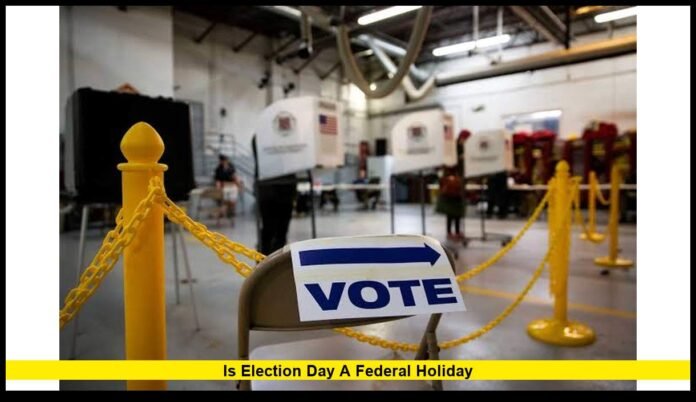

Is election day a federal holiday in the United States? No, Election Day is not currently a federal public holiday under U.S. federal law. Although Americans vote in presidential, congressional, and other elections on designated dates, the federal government does not automatically give all workers the day off to cast their ballots.
Election Day remains an important part of the American democratic process, but its legal status is different from that of federal holidays such as Independence Day, Memorial Day, and Thanksgiving. Federal employees do not receive a nationwide Election Day holiday simply because an election is taking place, and private employers are not universally required by federal law to close their businesses.
Understanding the difference between a federal holiday, a state holiday, and a regular election day can help voters plan their schedules, understand workplace policies, and find time to vote. The rules can vary depending on where a person lives, the type of election, and the voting options available in their state.
Is Election Day a Federal Holiday in 2026?
As of the latest available information, Election Day is not a federal holiday in 2026. The United States has not established a nationwide federal holiday that automatically makes the Tuesday after the first Monday in November a paid day off for every American worker.
In 2026, the regular November general election will take place on Tuesday, November 3, 2026. Voters will elect members of Congress and participate in state and local contests, along with other races and ballot measures scheduled in their jurisdictions.
The fact that a federal election is being held does not change the federal holiday calendar. Federal offices, private businesses, schools, and other institutions generally follow their applicable operating schedules rather than automatically closing for Election Day.
Some employers may voluntarily provide paid time off, flexible working hours, or additional breaks to help employees vote. Certain state laws also establish voting leave requirements or recognize Election Day as a holiday for particular purposes.
These distinctions are important because the answer to whether Election Day is a federal holiday is different from whether a particular voter can take time away from work to cast a ballot.
Why Is Election Day Not a Federal Holiday?
The main reason Election Day is not a federal holiday is that the United States has not enacted a law establishing it as one. Federal law sets the date for regular congressional elections, but establishing an election date does not automatically create a public holiday.
The federal holiday calendar is governed by legislation that identifies the days recognized as legal public holidays for federal employees. Election Day does not appear on that list.
There have been repeated efforts to make Election Day a federal holiday. Supporters argue that giving Americans a day off could make it easier for people with demanding work schedules, limited transportation, or family responsibilities to participate in elections.
However, a proposal to create a holiday does not change the law simply because it receives public attention or congressional support. Legislation must complete the required lawmaking process before a new federal holiday can be established.
The issue also involves practical considerations. Many Americans work in industries that cannot close for an entire day, including health care, transportation, emergency services, retail, and hospitality. Making Election Day a holiday would not necessarily give every worker the opportunity to vote unless additional workplace arrangements were considered.
For now, the existing federal holiday rules remain in effect.
When Is Election Day in the United States?
Federal Election Day follows a schedule established by law. Regular elections for the U.S. House of Representatives and Senate take place on the Tuesday after the first Monday in November during even-numbered years.
This means Election Day can fall between November 2 and November 8.
The upcoming election dates include:
- November 3, 2026: Federal midterm elections.
- November 7, 2028: Next regularly scheduled federal general election, including the presidential election.
During midterm elections, voters choose all 435 members of the House of Representatives and approximately one-third of the Senate. Depending on their state and locality, they may also vote for governors, state legislators, judges, local officials, and ballot initiatives.
Presidential elections take place every four years. Midterm elections occur halfway through a presidential term, making them important for determining the balance of power in Congress.
Although November’s general election receives substantial national attention, not every election takes place on the same date. Primary elections, special elections, municipal elections, and other contests follow schedules determined by applicable federal, state, and local rules.
The fact that Election Day is a regularly scheduled public voting event does not make it a federal holiday.
Is Election Day a Holiday in Some States?
Yes. Some states recognize Election Day as a state holiday or provide special voting-related protections, even though it is not a nationwide federal holiday.
State holidays and federal holidays serve different legal purposes. The federal government establishes federal holidays under federal law, while states can determine their own official holidays and workplace requirements.
In certain jurisdictions, state holiday rules may affect public offices, schools, government employees, or other institutions. The precise effect depends on the applicable state law and the type of organization involved.
It is also important to distinguish between a state declaring Election Day a holiday and a state requiring employers to give workers time off to vote.
A state may provide voting leave without declaring the entire day a public holiday. Conversely, recognition as a state holiday does not necessarily mean every private business must close.
Anyone planning to vote should check the election rules and employment requirements that apply in their state rather than assuming the same arrangements exist nationwide.
Does Election Day Give Employees a Day Off Work?
For most American workers, Election Day is an ordinary workday unless their employer or applicable state or local rules provide otherwise.
There is no universal federal requirement that all private employers close on Election Day or give every employee a paid day off to vote.
However, voting leave laws exist in many states. These laws vary considerably in their requirements, including whether the time off must be paid, how much time an employee can take, and whether advance notice is necessary.
Some state laws apply when an employee does not have sufficient time outside working hours to vote. Others establish different conditions or procedures.
For example, California provides eligible employees with paid time off to vote when they do not have sufficient time outside working hours. Under its rules, up to two hours of voting leave may be paid, and employees may need to notify their employers in advance.
Other states have their own requirements, so California’s rules should not be treated as a nationwide standard.
Workers can prepare for Election Day by reviewing their employee handbook, asking their human resources department about voting leave, and checking the relevant state labor laws.
The absence of a federal holiday does not automatically mean an employee has no right to time off for voting. That right depends on the laws and workplace arrangements applicable to the individual.
Are Federal Government Offices Closed on Election Day?
Federal government offices do not automatically close nationwide on Election Day.
Because the date is not included in the regular list of federal public holidays, federal employees generally follow their normal work schedules unless a separate policy or authorized closure applies.
The same distinction matters for services that people commonly associate with federal holidays. Government offices, courts, postal services, and other institutions do not all follow identical operating calendars, so their schedules should be checked individually.
Federal employees may also have voting-related workplace arrangements under applicable policies. Those arrangements are separate from the creation of a federal holiday.
State and local government offices may follow different schedules depending on state law and local decisions. A government building that closes for a state-recognized holiday does not establish that Election Day is a federal holiday.
For 2026, the official federal holiday calendar does not list November 3 as a federal holiday. Veterans Day falls on November 11, followed by Thanksgiving Day on November 26.
Would Making Election Day a Federal Holiday Make Voting Easier?
The proposal to establish Election Day as a federal holiday is often discussed as a way to improve access to voting.
Supporters believe that a designated day off could reduce conflicts between employment obligations and polling hours. Workers who have limited flexibility during the day might find it easier to visit a polling place if their schedules were less restrictive.
The proposal is also connected to broader discussions about voter participation, election accessibility, and the organization of American elections.
However, creating a federal holiday would not automatically resolve every barrier to voting. Some workers would still need to work, particularly those in essential services and businesses that remain open on public holidays. Transportation, caregiving responsibilities, registration requirements, and polling-place access could also affect participation.
Another consideration is that many states already provide alternatives to voting in person on Election Day. Early in-person voting, absentee voting, and mail-in voting are available under varying state rules.
These alternatives can allow eligible voters to cast their ballots before the official election date. Their availability, eligibility requirements, and deadlines depend on the state.
A federal holiday could therefore be one approach to improving voting access, but it would not replace the need for effective election administration and accessible voting options.
How to Vote When Election Day Is a Workday
Voters who expect to work on November 3, 2026, can take practical steps to plan ahead.
Check early voting availability. Many states offer opportunities to vote in person before Election Day. Early voting periods and locations vary, so voters should confirm the schedule for their jurisdiction.
Review mail-in and absentee voting rules. Eligible voters may be able to request, complete, and return a ballot before Election Day. Request deadlines, return methods, and receipt requirements differ among states.
Confirm polling-place hours. Polling hours are not identical nationwide. Checking the assigned polling location and its operating hours can help voters decide when to go.
Understand workplace voting leave. Employees should determine whether their state requires paid or unpaid time off and whether advance notice is necessary.
Check voter registration and identification requirements. Registration deadlines and identification rules depend on state law. Confirming these details in advance can help prevent avoidable problems at the polls.
The most reliable information comes from the relevant state or local election office, which administers voting procedures and provides details about polling locations, registration, and ballot options.
Latest Update on Making Election Day a Federal Holiday
The latest verified status is that Election Day has not been established as a federal holiday under current federal law.
Congress has considered legislation intended to create an Election Day holiday in previous sessions. These proposals reflect an ongoing policy debate about whether the federal government should provide a designated public holiday to encourage participation in elections.
Nevertheless, introducing a bill is not the same as enacting a law. Earlier proposals that did not become law have not changed the federal holiday calendar.
As of the latest available information, there is no official confirmation of an enacted federal law that makes Election Day a nationwide public holiday for 2026.
Any future change would require an appropriate legal action, such as new federal legislation. Until such a change takes effect, federal employees and private-sector workers should not assume they will automatically receive Election Day off.
The practical arrangements for voting will continue to depend on state law, employer policies, and the voting methods available to each eligible voter.
Final Thoughts
So, is election day a federal holiday? No. Election Day is not a federal holiday in the United States in 2026, and November 3 remains a regular workday for many Americans.
Although some states recognize Election Day as a holiday or require employers to provide voting leave, those protections are not uniform across the country. Federal offices and private businesses are not automatically required to close nationwide.
Americans who want to vote while managing work or other commitments should review their state’s voting options and workplace rules before Election Day. Early voting, absentee ballots, and applicable voting leave provisions may offer practical ways to participate without relying on a nationwide day off.
The federal holiday question may continue to be debated, but any change must be confirmed through an enacted law rather than a proposal or announcement alone.
Share your thoughts in the comments, and stay updated for the latest verified developments on Election Day and U.S. voting laws.