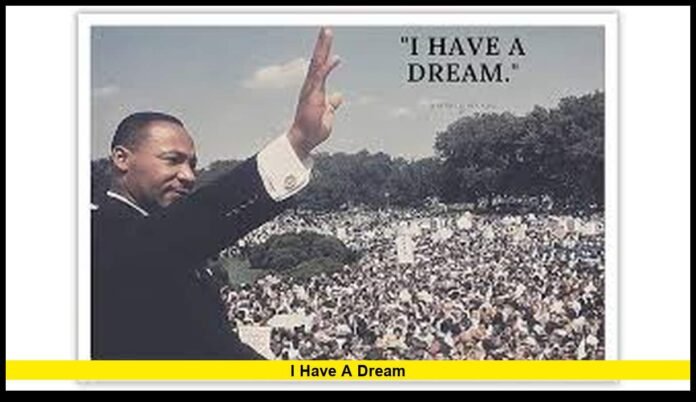

Every year, Americans pause to reflect on one of the most powerful speeches in world history. Spoken on the steps of the Lincoln Memorial in 1963, Dr. Martin Luther King Jr.’s words continue to define the nation’s moral compass. At the heart of that moment was a simple but transformative phrase: i have a dream. More than six decades later, that dream remains a living force in American life, shaping conversations about equality, justice, and the future of democracy.
Martin Luther King Jr. Day in 2026 arrives at a time when the country is again examining its values, its divisions, and its shared responsibilities. Across cities and towns, people are gathering for commemorations, educational programs, and service projects that reflect on King’s message and its relevance in today’s social and civic landscape.
A Speech That Changed the Course of History
Dr. King delivered his historic address during the March on Washington for Jobs and Freedom, one of the largest demonstrations in American history. Standing before the Lincoln Memorial, he spoke of a nation that had not yet fulfilled its promise of equality but could still rise to meet it. His vision of a country where people would be judged by character rather than skin color resonated far beyond that summer day.
The speech became a turning point in the civil rights movement. It helped build national momentum for landmark reforms that would soon follow, reshaping laws related to voting, employment, education, and public life. More importantly, it transformed public consciousness, framing civil rights not only as a legal issue but as a moral imperative.
Why the Dream Still Matters in 2026
Today’s observances show that King’s words are not confined to history books. Schools, universities, faith communities, and civic organizations are using this moment to explore how his message applies to modern America.
Public discussions focus on equal opportunity, fairness in the justice system, access to quality education, and the importance of peaceful civic engagement. Many speakers emphasize that King’s dream was not abstract. It was rooted in real social conditions and called for concrete action, community involvement, and sustained commitment.
Education and the Next Generation
In classrooms across the country, students are reading and analyzing King’s speech, learning about the civil rights era, and connecting its lessons to present-day challenges. Teachers are encouraging young people to think critically about freedom, responsibility, and the role each citizen plays in strengthening democracy.
These lessons are designed not only to honor history but to inspire participation. Discussions explore how nonviolent action, dialogue, and cooperation can create change, and how young voices can contribute to a more inclusive society.
Service as a Living Tribute
Martin Luther King Jr. Day has become a national day of service, reflecting King’s belief that everyone can help improve their community. Volunteer projects in 2026 range from food distribution and neighborhood cleanups to mentoring programs and health awareness initiatives.
These efforts translate ideals into action. They demonstrate that the dream of a fair and compassionate society depends on everyday choices and collective responsibility.
Community Reflections and Cultural Impact
Across the United States, public forums, art exhibits, and musical performances are highlighting the cultural legacy of the civil rights movement. Writers, artists, and historians are revisiting King’s words to show how they continue to influence literature, music, and public discourse.
Many communities are also sharing personal stories about how King’s vision has shaped local progress, from school integration and voter participation to economic development and interfaith cooperation.
The Ongoing National Conversation
While the nation honors Dr. King’s legacy, it also confronts ongoing challenges. Debates about social equity, economic opportunity, and civic unity remain central to public life. In these discussions, King’s speech serves as a reference point for understanding what the nation has achieved and what work still lies ahead.
The enduring power of i have a dream lies in its call for both hope and accountability. It reminds Americans that progress requires persistence, empathy, and a willingness to address injustice with courage and compassion.
A Vision That Transcends Generations
Dr. King’s message continues to speak across generations because it addresses universal human aspirations: dignity, freedom, and the right to participate fully in society. His words challenge each new generation to define what justice means in its own time and to act accordingly.
From classrooms and community centers to public squares and digital spaces, the dream is being discussed, debated, and reimagined. Yet its core remains unchanged: a belief in the possibility of a nation united by shared values and equal opportunity.
Looking Forward
As the United States marks Martin Luther King Jr. Day in 2026, the legacy of his most famous speech remains a guiding light. It encourages reflection on the nation’s past, awareness of its present, and responsibility for its future.
The phrase i have a dream is more than a line from history. It is an invitation to participate in the ongoing work of building a society where freedom, justice, and opportunity are not ideals alone, but realities for all.
Share your thoughts on how Dr. King’s vision continues to influence your community and why his dream still matters today.