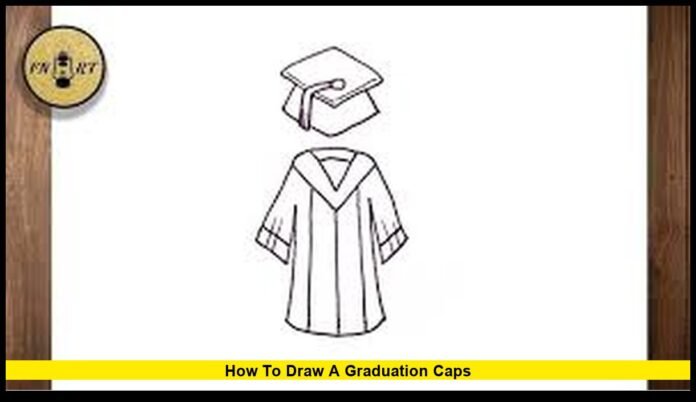

Graduation season inspires millions of students, families, and educators to celebrate academic milestones through photos, decorations, artwork, and creative projects. One of the most recognizable symbols of achievement is the mortarboard, making how to draw a graduation cap a popular search topic for beginners and experienced artists alike. Whether you are creating a greeting card, classroom poster, scrapbook page, or digital illustration, learning to sketch a graduation cap can be both fun and rewarding.
A graduation cap may look detailed at first glance, but it is actually made from a few simple geometric shapes. With patience and a step-by-step approach, anyone can create a clean and professional-looking drawing. The process requires only basic supplies and can be completed in a short amount of time.
If you’re ready to create artwork that celebrates educational success, follow along and discover techniques that can help transform a simple sketch into an eye-catching graduation illustration.
Why Graduation Cap Drawings Remain Popular
Few educational symbols carry as much meaning as the graduation cap. It represents years of dedication, learning, and achievement. Across schools, colleges, and universities, the mortarboard remains one of the most recognizable elements of commencement ceremonies.
Because of its simple design, artists frequently use graduation caps in:
- Graduation invitations
- Congratulations cards
- School banners
- Classroom displays
- Senior year projects
- Social media graphics
- Personalized gifts
- Event decorations
Its popularity makes it a favorite subject for artists, students, teachers, and hobbyists throughout the year.
Understanding the Structure of a Graduation Cap
Before putting pencil to paper, it helps to understand the basic parts of a graduation cap.
A traditional graduation cap includes:
- A square top panel
- A cap band that fits around the head
- A center button
- A hanging tassel
- Decorative tassel strands
Breaking the cap into individual sections makes the drawing process much easier.
Instead of trying to sketch the entire object at once, focus on creating each component separately before combining them into a finished illustration.
Gather Your Drawing Materials
The good news is that you do not need expensive art supplies.
Most artists can complete a graduation cap drawing using:
- Standard drawing paper
- Pencil
- Eraser
- Fine-tip pen
- Colored pencils
- Markers
A ruler can also be useful if you want especially clean geometric lines.
Digital artists can use drawing tablets and illustration software to achieve similar results.
Step 1: Create the Top Shape
Start by drawing a large diamond shape.
Think of it as a square that has been rotated so one corner points upward.
This shape forms the top board of the graduation cap.
Try to keep all four sides similar in length. A balanced shape creates a more realistic final result.
Don’t worry about perfection during the first attempt. Light sketch lines can always be adjusted later.
Step 2: Add Dimension to the Top Panel
A real graduation cap has thickness.
To create this effect, draw a second line slightly below the lower edges of the diamond.
Connect the corners using short angled lines.
This simple addition immediately gives the cap a three-dimensional appearance.
Many beginner artists skip this stage, but depth is one of the key factors that makes a drawing look polished.
Step 3: Draw the Headband Section
Underneath the top panel sits the band that rests on the graduate’s head.
Draw two short lines extending downward from the underside of the cap.
Connect them with a slightly curved line.
This curved shape represents the cap band.
The band should be noticeably narrower than the top panel.
Maintaining this proportion helps the drawing look realistic.
Step 4: Add the Center Button
Near the center of the top panel, draw a small circle.
This represents the button used to secure the tassel.
Although small, this detail is important because it anchors the tassel and adds authenticity to the illustration.
Place it close to the center for a traditional look.
Step 5: Sketch the Tassel String
The tassel is one of the most recognizable elements of any graduation cap.
Begin at the center button and draw a curved line extending toward one edge.
Allow the line to continue slightly beyond the cap.
The natural curve creates movement and realism.
Avoid drawing the string completely straight, as real tassels tend to hang with a gentle bend.
Step 6: Design the Tassel Attachment
At the end of the string, draw a small decorative shape.
This can be a circle, oval, or short cylinder.
This section connects the string to the hanging tassel strands.
Artists often add subtle details here to make the tassel appear more refined.
Even simple shapes can work effectively.
Step 7: Finish the Tassel
Draw several thin vertical lines extending downward from the tassel attachment.
These lines represent the strands.
Keep them close together while allowing slight variation in length.
Natural variation helps the tassel look more realistic.
Once completed, the drawing should immediately resemble a traditional graduation cap.
Refining the Overall Shape
After sketching the main structure, take a moment to evaluate the proportions.
Ask yourself:
- Is the top panel symmetrical?
- Does the band look balanced?
- Is the tassel positioned naturally?
- Are the edges clean?
Make adjustments before moving on to darker outlines.
Small corrections at this stage can greatly improve the finished artwork.
Adding Realistic Shading
Shading helps transform a flat drawing into a dimensional illustration.
Choose a light source.
Then darken areas that would naturally receive less light.
Common shaded areas include:
- The underside of the top panel
- The lower portions of the cap band
- Areas near the tassel attachment
- Edges opposite the light source
Use gradual pencil strokes rather than harsh dark patches.
Smooth shading creates a cleaner and more professional appearance.
How Color Enhances a Graduation Cap Drawing
Many people immediately picture a black graduation cap.
However, artists can explore a wide variety of color combinations.
Popular choices include:
- Black and gold
- Black and silver
- Navy and gold
- School colors
- Custom celebration themes
Colored tassels often represent academic disciplines, school traditions, or graduation honors.
Adding color can help personalize your artwork and make it stand out.
Creative Ideas for Decorating Your Drawing
Once the basic cap is complete, consider adding decorative elements.
Graduation Year
Writing the graduation year on the top panel instantly makes the drawing more meaningful.
Diploma Illustration
A rolled diploma placed next to the cap creates a classic graduation scene.
Confetti Effects
Small confetti pieces can add energy and excitement.
Stars and Sparkles
Decorative stars help emphasize celebration and success.
Achievement Messages
Add short congratulatory messages beneath the drawing.
This is especially useful for cards and posters.
How to Draw a Graduation Cap in Different Styles
Artists often adapt the graduation cap to suit different projects.
Cartoon Style
Use larger proportions and rounded corners.
This style works well for children and classroom decorations.
Realistic Style
Focus on accurate perspective, shading, and detailed tassel strands.
Minimalist Style
Use clean outlines with little or no shading.
This approach is popular in digital graphics and logos.
Chibi and Character Art
Place the cap on a cartoon character for a fun and personalized design.
Exploring different styles helps artists expand their creative abilities.
Digital Drawing Techniques
Many artists now prefer digital platforms for creating graduation-themed artwork.
When drawing digitally:
- Start with rough sketch layers
- Use geometric guides
- Separate line art and coloring layers
- Add shadows on dedicated layers
- Apply highlights sparingly
- Zoom in for cleaner edges
Digital tools allow easy revisions while maintaining precision.
They are especially useful for creating graphics intended for printing or online sharing.
Common Beginner Mistakes
Learning any drawing skill involves practice.
Some of the most frequent mistakes include:
Uneven Top Panel
The square top should remain balanced.
Using light guidelines can help maintain symmetry.
Flat Appearance
Ignoring depth can make the cap look unrealistic.
Adding thickness to the top panel improves dimensionality.
Oversized Tassel
A tassel that is too large can overwhelm the drawing.
Keep proportions consistent.
Excessive Shading
Heavy shading can hide important details.
Build shadows gradually instead.
Using Graduation Cap Art for Projects
Graduation cap illustrations can be incorporated into numerous creative projects.
These include:
- Event invitations
- Scrapbook pages
- School newsletters
- Posters
- Certificates
- Photo frames
- Party decorations
- Digital banners
Because the symbol is universally recognized, it instantly communicates academic achievement.
Building Confidence Through Practice
Every successful artist improves through repetition.
Try drawing multiple graduation caps from different angles.
Experiment with:
- Larger tassels
- Different perspectives
- Decorative patterns
- Unique color schemes
- Realistic shadows
- Stylized versions
Each new drawing helps strengthen observation skills and artistic confidence.
Over time, creating a graduation cap will become second nature.
The Lasting Appeal of Graduation-Themed Art
Graduation is one of life’s most meaningful milestones. It marks the completion of one chapter and the beginning of another. Because of this, graduation-themed artwork continues to hold emotional value for students, families, educators, and communities.
A carefully drawn graduation cap can serve as more than a simple illustration. It can become a keepsake that celebrates years of hard work and accomplishment. Whether used in a card, poster, digital graphic, or personal sketchbook, this iconic symbol remains a timeless representation of educational success.
With a few simple shapes, thoughtful details, and regular practice, anyone can create a graduation cap drawing that captures the excitement and pride associated with commencement season.
Have a favorite graduation art idea or drawing technique? Share your thoughts below and check back for more creative guides and celebration-inspired artwork.