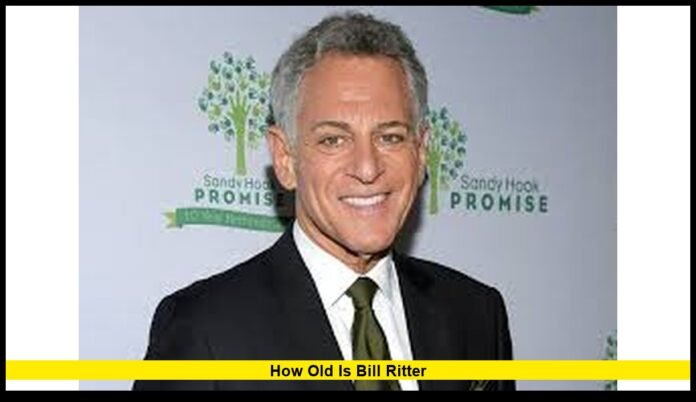

Veteran WABC-TV anchor Bill Ritter is 76 years old in 2026, having been born on February 26, 1950, and he remains one of New York’s most respected news figures after a journalism career spanning more than five decades.
How old is Bill Ritter? The longtime television journalist and New York news anchor is 76 years old as of 2026. Born on February 26, 1950, Ritter has spent decades building one of the most recognizable careers in American local television news. His name remains closely connected to WABC-TV’s Eyewitness News, where he became a trusted source of information for millions of viewers across the New York metropolitan area.
Interest in Ritter has grown significantly in 2026 following major developments in his professional and personal life. Viewers who have watched him for years are revisiting his remarkable journey in journalism, learning more about his background, and reflecting on the impact he has had on television news.
At 76, Ritter’s career stands as a testament to dedication, consistency, and public service. His story includes decades of reporting, anchoring, investigative journalism, and community involvement that helped shape local broadcasting in one of the nation’s most competitive media markets.
Bill Ritter’s Age and Birth Information
Bill Ritter was born on February 26, 1950, in Los Angeles, California, beginning a life journey that would eventually lead him to become one of the most recognizable and trusted faces in American local television news. Growing up during a period of significant social and political change in the United States, Ritter developed an early interest in storytelling, communication, and current events—interests that would later shape his successful journalism career.
As of 2026, Bill Ritter is 76 years old. He celebrated his 76th birthday on February 26, 2026, marking another milestone in a professional career that has spanned more than five decades. Few television journalists remain as active and respected after so many years in the industry, making Ritter’s longevity particularly noteworthy.
Many viewers are often surprised to learn his age because he maintained a demanding television schedule well into his seventies. Throughout the years, he continued covering major breaking news stories, conducting interviews, and anchoring high-profile broadcasts with the same professionalism and energy that helped establish his reputation earlier in his career. His calm delivery, authoritative reporting style, and ability to connect with audiences have allowed him to remain a familiar presence in households across the New York metropolitan area.
Ritter’s continued visibility on television has also contributed to the perception that he has hardly slowed down despite reaching an age when many journalists choose retirement. Rather than stepping away from the spotlight, he remained engaged in covering important local, national, and international events, demonstrating a commitment to journalism that has earned widespread respect from colleagues and viewers alike.
His long career serves as an example of how experience can be a valuable asset in the news industry. Over the decades, Ritter witnessed and reported on countless historic moments, political developments, natural disasters, and community stories. This depth of experience has helped him build a level of credibility that few broadcasters achieve.
Even at 76, Bill Ritter’s name continues to be associated with trusted reporting, journalistic integrity, and dedication to public service. His ability to remain relevant and respected across multiple generations of viewers highlights both his professional skill and the enduring impact he has had on television journalism.
Bill Ritter at a Glance
| Category | Information |
|---|---|
| Full Name | William Sheldon Ritter |
| Birth Date | February 26, 1950 |
| Age in 2026 | 76 |
| Birthplace | Los Angeles, California |
| Profession | Television Journalist |
| Television Station | WABC-TV |
| Years in Broadcasting | Nearly 40 Years |
| Known For | Eyewitness News Anchor |
Why So Many People Are Asking About Bill Ritter’s Age
Interest in Bill Ritter’s age has grown significantly in 2026 as longtime viewers reflect on his remarkable career and recent developments in his professional life. After spending decades as one of New York television’s most recognizable news anchors, Ritter continues to attract attention from audiences who have followed his work for years and are curious about the veteran journalist’s background, accomplishments, and future plans.
Part of the increased interest comes from announcements involving changes to his role on television. Whenever a well-known broadcaster adjusts their schedule, takes on a new position, or discusses future career plans, viewers naturally become interested in learning more about the person behind the news desk. In Ritter’s case, his enduring presence in local journalism has made those developments especially noteworthy.
Another reason people are searching for information about Ritter is his openness regarding personal health matters and life changes. Public figures who share aspects of their experiences often generate renewed interest from audiences who admire their honesty and resilience. For many viewers, these updates have prompted a broader curiosity about his life story, including his age and the length of his career.
What makes Ritter’s situation particularly impressive is the sheer longevity of his work in broadcasting. Generations of viewers have watched him report on major events, deliver breaking news updates, moderate political discussions, and guide audiences through some of the most important stories affecting their communities. His career has stretched across multiple eras of television journalism, from traditional newsroom formats to the rapidly evolving digital media landscape of today.
For longtime followers, it can be surprising to realize just how many years Ritter has spent on the air. Many television journalists choose to retire long before reaching their seventies, yet Ritter remained an active and influential presence in the newsroom. He continued covering elections, natural disasters, major public events, and significant breaking-news stories while maintaining the professionalism and credibility that made him a trusted source of information.
His longevity also reflects the respect he has earned within the industry. Remaining relevant and effective in a profession that changes constantly is no small achievement. Through dedication, adaptability, and experience, Ritter built a reputation that has endured for decades and continues to resonate with viewers today.
As a result, one question keeps appearing in online searches and conversations among television audiences: How old is Bill Ritter? The answer—76 years old in 2026—represents far more than a number. It highlights a distinguished career that has spanned more than half a century, connected with multiple generations of viewers, and left a lasting impact on American broadcast journalism.
Growing Up in California
Long before he became a trusted television news anchor in New York, Bill Ritter spent his formative years in Southern California. Born and raised in Los Angeles, he grew up in one of the nation’s most dynamic and rapidly evolving cities during a period of significant cultural, political, and social transformation.
The Los Angeles of Ritter’s youth was a place where major national conversations often played out in real time. The civil rights movement, political activism, changing social attitudes, and historic events of the 1960s shaped the experiences of an entire generation. Like many young Americans coming of age during that era, Ritter was exposed to important debates about government, social justice, public policy, and the future direction of the country.
These developments had a lasting impact on him. Witnessing major events unfold both locally and nationally helped foster a deep interest in current affairs and public issues. Rather than simply observing the changes around him, Ritter became increasingly engaged in understanding the forces driving them. He followed the news closely, paid attention to political developments, and developed an appreciation for the role that accurate information plays in a democratic society.
As a young man, Ritter’s curiosity about the world around him continued to grow. He became interested in the stories behind the headlines and sought to better understand how decisions made by leaders and institutions affected everyday people. This interest in public affairs encouraged him to think critically about important issues and strengthened his desire to stay informed about national and international events.
His early experiences in California also helped shape the communication skills and perspective that would later define his journalism career. Living in a diverse and fast-changing environment exposed him to people from different backgrounds and viewpoints, teaching him the importance of listening, understanding multiple perspectives, and asking thoughtful questions.
Over time, that passion for understanding and explaining complex issues naturally evolved into an interest in journalism. Ritter recognized that reporters and broadcasters played a crucial role in helping communities stay informed, hold institutions accountable, and understand the events shaping their lives. The idea of serving the public through factual reporting appealed to him and ultimately guided his professional path.
The curiosity and civic awareness he developed while growing up in Los Angeles would become the foundation of a career that spanned more than five decades. Those early years in California not only influenced his worldview but also helped inspire the dedication to public service and trustworthy journalism that would later make him one of television news’ most respected figures.
Education and Personal Determination
Bill Ritter’s educational journey is often cited as one of the most inspiring chapters of his life story. Before becoming a respected television journalist, he attended San Diego State University during a period marked by intense political debate, social activism, and cultural change across the United States. The late 1960s and early 1970s were transformative years for many young Americans, and Ritter was part of a generation that witnessed significant national conversations about civil rights, government policy, and social reform.
Like many students of that era, Ritter became engaged in issues that extended beyond the classroom. College campuses across the country served as centers of discussion and activism, encouraging students to think critically about current events and their role in society. These experiences helped broaden his understanding of public affairs and contributed to the curiosity and civic awareness that would later become central to his journalism career.
Although Ritter began his studies with enthusiasm, his path was not entirely conventional. He left college before completing his degree, a decision that could have marked the end of his formal education. Instead, it became only a temporary pause in a much longer journey. While building a successful career in broadcasting, he never lost sight of the personal goal of finishing what he had started.
Years later, after establishing himself professionally and gaining recognition in the news industry, Ritter made the decision to return to school and complete his college education. Balancing academic responsibilities with the demands of a busy career required commitment, discipline, and determination. Yet he remained focused on achieving a goal that had stayed important to him for decades.
His eventual graduation became more than a personal accomplishment. It resonated with countless people who had postponed their own educational dreams because of work, family obligations, financial challenges, or other life circumstances. Ritter’s story demonstrated that learning is a lifelong process and that it is never too late to pursue unfinished goals.
Many admirers view this achievement as evidence of the perseverance that has defined his life and career. Rather than allowing an earlier setback to become a permanent obstacle, he chose to revisit a challenge and see it through to completion. That willingness to return, persist, and succeed reflects the same qualities that helped him thrive in the competitive world of broadcast journalism.
The experience reinforced a message that continues to inspire students and working adults alike: educational goals do not have an expiration date. Whether pursuing a degree, developing new skills, or returning to an abandoned ambition, Ritter’s example shows that determination and commitment can lead to success at any stage of life.
Ultimately, his educational journey highlights one of the defining characteristics of his career—persistence. It is a quality that helped him overcome challenges, build credibility as a journalist, and maintain a respected presence in television news for more than five decades.
Starting a Career in Journalism
Before becoming one of the most recognizable faces in New York television news, Bill Ritter spent years building a solid foundation in journalism through reporting, investigative work, and on-the-ground storytelling. Like many successful broadcasters, he did not begin his career behind a major-market anchor desk. Instead, he developed his skills through hard work, persistence, and a commitment to delivering accurate information to the public.
Ritter entered the field of local television news at a time when reporters were expected to be deeply involved in every aspect of a story. Covering community issues, government decisions, crime investigations, and public-interest topics gave him valuable experience and helped him understand the importance of thorough reporting. These early assignments allowed him to learn how to gather facts, conduct interviews, verify information, and present complex issues in a way viewers could easily understand.
A significant portion of Ritter’s early career was devoted to investigative journalism. Unlike routine news coverage, investigative reporting often requires months of research, document reviews, source development, and persistent questioning. Reporters working in this field must be willing to follow leads wherever they go, even when stories become complicated or controversial. The work can be demanding, but it also plays a vital role in holding institutions accountable and bringing important issues to public attention.
Through these experiences, Ritter developed many of the qualities that would later define his broadcasting career. He learned the value of patience when pursuing difficult stories, the importance of attention to detail when verifying facts, and the responsibility journalists have to provide fair and accurate reporting. Investigative assignments also strengthened his ability to analyze information critically and ask the tough questions necessary to uncover the full story.
As his experience grew, so did his reputation within the industry. Colleagues and viewers came to recognize him as a journalist who approached stories with professionalism and integrity. Rather than focusing on sensationalism, Ritter built credibility by emphasizing factual reporting, careful research, and public accountability. This commitment to journalistic standards helped distinguish him from many of his peers and earned him respect in newsrooms throughout his career.
The recognition he received for his reporting opened the door to larger opportunities and more prominent roles in television journalism. By the time he advanced to major-market broadcasting positions, he had already developed the skills and experience needed to handle high-pressure assignments and significant news events.
Looking back, Ritter’s years as a reporter and investigative journalist were crucial to his success. They provided the training, discipline, and real-world experience that later allowed him to excel as a news anchor. More importantly, those early years established the professional values—accuracy, fairness, persistence, and accountability—that would remain at the center of his work for decades to come.
National Recognition Through Network News
As Ritter’s reputation grew, larger opportunities followed.
His reporting eventually brought him to a national audience.
Working on network television exposed him to major stories occurring across the United States.
Throughout this period, he covered a wide range of subjects, including:
- Politics
- Public safety
- Major criminal investigations
- Natural disasters
- Social issues
- Human-interest stories
His ability to explain complicated topics in a clear and understandable manner became one of his strongest professional assets.
Audiences appreciated his calm delivery and thoughtful approach to reporting.
Those qualities would later help him become one of the most trusted local news anchors in America.
The Move to WABC-TV
A significant milestone occurred in 1998 when Ritter joined WABC-TV in New York City.
The station is one of the most prominent local television outlets in the country.
New York presents unique challenges for journalists. It is home to millions of residents, major businesses, global institutions, and constant news activity.
Success in such a demanding market requires credibility and consistency.
Ritter quickly earned the respect of viewers and colleagues alike.
His arrival marked the beginning of a long and successful chapter that would define much of his career.
Becoming a Familiar Face on Eyewitness News
Over time, Ritter became one of the leading personalities on Eyewitness News.
His broadcasts reached households throughout New York City and surrounding communities.
Millions of viewers came to rely on him for updates during major events.
His role involved much more than reading headlines.
He guided audiences through complex stories, interviewed newsmakers, and provided context during breaking developments.
The trust he established with viewers became one of his greatest professional achievements.
Many people associated Ritter with stability and reliability during uncertain times.
Read More – Dexter Resurrection Cast — Who’s Bringing the New Season to Life
Covering Historic Events
Throughout his career, Ritter reported on some of the most important stories of modern American history.
His work placed him at the center of events that shaped public conversations for years.
September 11 and Its Aftermath
One of the most significant periods in New York journalism came after the September 11 attacks.
Television stations played a crucial role in delivering information to the public.
Ritter was among the journalists helping audiences navigate an unprecedented crisis.
The coverage demanded professionalism, accuracy, and compassion.
Those qualities became hallmarks of Ritter’s reporting style.
Elections and Political Coverage
Political reporting formed another major part of his career.
Over the years, Ritter covered multiple presidential elections, local campaigns, state races, and national political developments.
His interviews and analysis helped viewers understand issues affecting their communities and the country.
Public Health Reporting
Health-related stories also became an important part of local news coverage.
Ritter frequently highlighted developments in medicine, healthcare access, disease prevention, and public wellness.
His reporting helped bring important information to viewers across the region.
Community Stories
One reason Ritter remained popular for so many years was his focus on community issues.
He covered stories involving schools, neighborhoods, transportation, public safety, and local organizations.
These reports connected directly with the everyday lives of viewers.
Building Trust Over Decades
Trust is one of the most valuable assets in journalism.
Ritter spent decades earning that trust.
While technology transformed the media industry, his commitment to straightforward reporting remained consistent.
News consumption changed dramatically during his career.
Viewers moved from traditional television broadcasts to websites, smartphones, streaming platforms, and social media feeds.
Despite those changes, Ritter continued attracting loyal audiences.
Many people viewed him as a dependable source of information in a rapidly changing media landscape.
That reputation contributed significantly to his long-term success.
Bill Ritter’s Family and Personal Life
Away from the newsroom, Ritter has often emphasized the importance of family.
Throughout the years, he occasionally shared personal stories that allowed viewers to see a different side of his life.
These moments helped strengthen his connection with audiences.
Many people appreciated his authenticity and relatability.
Rather than appearing distant or detached, Ritter came across as someone who understood the experiences and concerns of everyday Americans.
That personal connection became another reason for his enduring popularity.
Professional Achievements and Recognition
A career spanning several decades naturally includes numerous accomplishments.
Ritter earned recognition for his reporting, anchoring, and commitment to public service.
His professional achievements include:
- Decades of television journalism experience
- Leadership roles in local news coverage
- Investigative reporting projects
- Community outreach initiatives
- High-profile interviews
- Coverage of major national and local events
Beyond awards and honors, many industry observers point to his consistency as his greatest accomplishment.
Remaining relevant and respected across multiple decades is rare in television news.
The Major Development in 2026
In June 2026, Ritter shared important personal news with viewers.
He publicly revealed that he had been diagnosed with early-stage Alzheimer’s disease.
The announcement immediately drew widespread attention throughout the broadcasting industry and among longtime viewers.
Ritter explained that he had undergone medical evaluations and was receiving treatment.
At the same time, he announced plans to step away from daily anchoring responsibilities.
The news prompted an outpouring of support from colleagues, viewers, and members of the journalism community.
His decision to discuss the diagnosis openly was widely praised.
Raising Awareness Through Openness
Throughout his career, Ritter focused on informing the public.
In 2026, he continued that mission in a different way.
By speaking openly about Alzheimer’s disease, he helped increase awareness about a condition that affects millions of individuals and families.
His announcement encouraged broader conversations about:
- Brain health
- Early detection
- Medical research
- Caregiving
- Family support
- Long-term planning
Many viewers expressed gratitude for his willingness to discuss a difficult subject publicly.
His honesty transformed a personal challenge into an opportunity for education and awareness.
What Makes Bill Ritter’s Career Unique?
Several factors distinguish Ritter from many other television journalists.
First, he successfully transitioned through multiple eras of media.
He began during a time when traditional television dominated news consumption.
Later, he adapted to a world shaped by digital platforms and instant communication.
Second, he maintained strong audience trust over an exceptionally long period.
Third, he balanced professional excellence with genuine community engagement.
These qualities helped him remain relevant even as the media landscape evolved.
Lessons from Bill Ritter’s Career
Young journalists can learn valuable lessons from Ritter’s professional journey.
Among the most important are:
Credibility Matters
Trust takes years to build and moments to lose.
Ritter’s career illustrates the importance of maintaining high standards.
Adaptability Is Essential
The news industry constantly changes.
Successful journalists adapt while preserving core principles.
Community Connections Matter
Viewers appreciate journalists who understand local concerns.
Ritter consistently focused on stories affecting real people.
Lifelong Learning Creates Opportunities
His decision to complete his college education later in life demonstrated the value of continued growth.
That lesson applies well beyond journalism.
What Is Bill Ritter Doing Today?
Although Ritter has stepped away from daily anchoring duties, his influence remains significant.
Many viewers continue following updates regarding his health, advocacy efforts, and contributions to public awareness.
His decades of experience make him a respected voice within the journalism community.
Even as his role changes, his legacy continues to shape local broadcasting.
The impact he made through years of reporting, anchoring, and community engagement remains evident throughout the industry.
A Lasting Legacy in American Television News
At 76 years old, Bill Ritter represents a generation of journalists who helped define local television news.
His career spans nearly four decades of reporting, interviewing, anchoring, and public service.
From his early reporting days in California to becoming one of New York’s most recognizable news anchors, Ritter built a reputation based on professionalism and trust.
His recent health announcement added a deeply personal chapter to an already remarkable story.
Yet his legacy extends beyond any single event.
For many viewers, Bill Ritter will always represent dependable journalism, thoughtful reporting, and a commitment to serving the public interest.
His influence on television news continues to be felt, and his contributions remain an important part of American broadcasting history.
Have memories of watching Bill Ritter on television? Share your thoughts and join the conversation about the veteran journalist’s remarkable career and lasting impact.