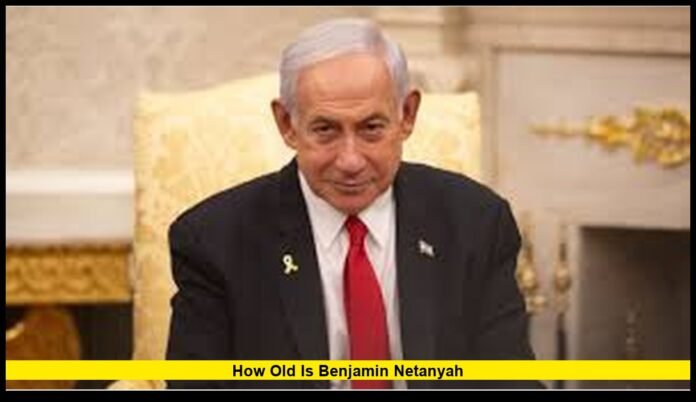

For readers asking how old is benjamin netanyahu, the answer today is that Benjamin Netanyahu is 76 years old, having been born on October 21, 1949. While that figure is straightforward, the meaning behind it is far more complex. His age is tightly connected to a political career that spans decades and continues to shape the direction of Israel and its role on the world stage.
Understanding Netanyahu’s age is not just about numbers—it’s about longevity, influence, and the evolving expectations of leadership in modern democracies.
A Veteran Leader in a Rapidly Changing World
At 76, Netanyahu stands among a small group of global leaders who continue to hold significant power well into their later years. His ongoing presence in high-level politics reflects a combination of political resilience, deep-rooted support, and strategic adaptability.
Unlike many leaders who transition into advisory roles or retire from public life, Netanyahu remains active in governance. He participates in major policy decisions, security discussions, and international diplomacy, demonstrating a level of engagement that defies assumptions about age and leadership.
For many observers in the United States, his continued prominence invites comparisons with aging political figures at home, making his story especially relevant to American audiences.
Early Years: A Life Shaped by History and Ideology
Benjamin Netanyahu was born shortly after Israel’s founding, a period marked by uncertainty and nation-building. Growing up in a politically engaged household, he was influenced heavily by his father, a historian known for his strong ideological views.
His early exposure to both Israeli and American cultures helped shape his worldview. Spending part of his youth in the United States gave him a unique advantage—fluency in English and familiarity with Western political communication styles.
This dual cultural experience later became one of his strongest assets, especially in building relationships with American leaders and audiences.
Military Service and Personal Discipline
Before entering public life, Netanyahu served in one of Israel’s most elite military units. His time in the armed forces contributed to his reputation as a security-focused leader.
Military service is a defining experience for many Israeli politicians, but Netanyahu’s role in special operations elevated his profile early on. It instilled discipline, strategic thinking, and a focus on national security—traits that would later define his political brand.
Even today, his speeches and policies often reflect this background, emphasizing defense, preparedness, and resilience.
Academic Journey and Global Perspective
Netanyahu pursued higher education in the United States, attending prestigious institutions where he studied architecture and business. His academic path provided him with a broader understanding of economics, innovation, and global markets.
During this time, he also worked in consulting, gaining practical experience in business strategy. This exposure helped shape his later economic policies, many of which focused on market liberalization and technological growth.
His ability to combine economic thinking with political strategy became a hallmark of his leadership style.
Entry Into Politics and Rapid Rise
Netanyahu’s political career began with diplomacy. Serving as Israel’s ambassador to the United Nations, he quickly gained recognition for his communication skills and confident presence.
He entered domestic politics soon after and rose rapidly through the ranks. In 1996, he became Prime Minister for the first time, marking a significant milestone in Israeli political history.
His early leadership years were marked by complex negotiations, security challenges, and efforts to balance domestic and international expectations.
Multiple Terms and Historic Longevity
Netanyahu’s political journey is defined by multiple terms in office. After his initial tenure ended in 1999, he returned to power years later and remained a central figure for more than a decade.
His cumulative time as Prime Minister makes him the longest-serving leader in Israel’s history. This longevity is rare in democratic systems, where leadership often changes more frequently.
His ability to return to power after setbacks highlights his political adaptability and enduring influence.
How Age Influences His Leadership Style
At 76, Netanyahu brings a level of experience that few leaders can match. His long career has exposed him to a wide range of global events, from regional conflicts to economic crises.
This experience shapes his leadership in several ways:
- He approaches decisions with historical context
- He prioritizes long-term strategy over short-term gains
- He relies on established networks and alliances
However, age also brings scrutiny. Critics question whether long-term leadership limits innovation or slows political renewal. Supporters argue that experience is essential in times of uncertainty.
Public Debate Around Leadership Age
Netanyahu’s age has become part of a broader conversation about leadership worldwide. In many democracies, voters are increasingly debating the balance between experience and generational change.
In the United States, similar discussions have taken place regarding senior political figures. Netanyahu’s continued leadership at 76 adds another perspective to this global debate.
For some, his age represents stability and proven leadership. For others, it raises questions about succession and the future direction of governance.
Domestic Politics and Continued Influence
Within Israel, Netanyahu remains a powerful and sometimes polarizing figure. His leadership has shaped key policies, influenced political alliances, and driven national debates.
His supporters view him as a strong leader capable of navigating complex challenges. His critics argue that extended time in power can deepen divisions and limit new voices.
Despite these differing views, his influence is undeniable. He continues to play a central role in shaping the country’s political landscape.
International Presence and Diplomatic Reach
Netanyahu’s global presence is one of his defining characteristics. Over the years, he has built relationships with world leaders and positioned Israel as a key player in international affairs.
His ability to communicate effectively with Western audiences, particularly in the United States, has strengthened diplomatic ties.
Even at 76, he remains active on the international stage, participating in high-level discussions and addressing global audiences.
Personal Life and Public Image
Beyond politics, Netanyahu’s personal life contributes to his public image. He is married to Sara Netanyahu and has children who occasionally appear in public discourse.
His family life, while often private, has at times intersected with his political narrative. Public perception of his personal life can influence how he is viewed as a leader.
Despite the pressures of political life, he maintains a visible presence both domestically and internationally.
Revisiting the Central Question
Returning to the key query—how old is benjamin netanyahu—the answer remains 76 years old as of 2026.
Yet this number carries deeper significance. It reflects decades of leadership, experience across multiple administrations, and a continued role in shaping national and global conversations.
His age is not just a statistic—it is a symbol of endurance in a rapidly changing political world.
What His Longevity Means for the Future
Netanyahu’s continued involvement in politics suggests that his influence is far from over. His experience positions him as a key figure in ongoing discussions about security, diplomacy, and governance.
At the same time, questions about the future remain. How long will he continue to lead? What comes next for Israel’s political landscape?
These questions are part of a broader global conversation about leadership transitions and the evolving expectations of voters.
A Broader Reflection on Leadership
Netanyahu’s career invites a larger reflection on what defines effective leadership. Is it experience, adaptability, or the ability to connect with changing generations?
At 76, he embodies a model of leadership built on longevity and resilience. Whether that model continues to resonate will depend on both political dynamics and public sentiment.
For American readers, his story offers insight into how leadership can evolve over time while remaining influential.
Stay informed on global leadership trends and the figures shaping today’s world—there’s always more behind the headlines than meets the eye.
Do you think experience matters more than age in leadership? Share your perspective and keep the conversation going.