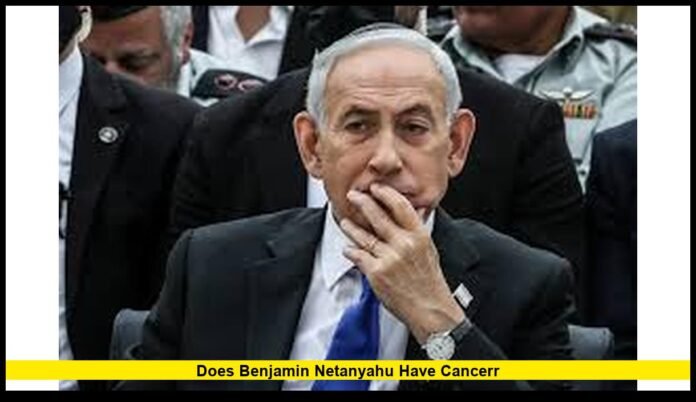

The question does benjamin netanyahu have cancer has gained widespread attention as new details about the Israeli prime minister’s health have come into public view. Recent disclosures provide a clearer understanding of his diagnosis, the treatment he underwent, and his current medical condition, offering a complete and factual picture for readers seeking accurate information.
A Major Health Disclosure Draws Global Attention
In April 2026, Benjamin Netanyahu confirmed that he had been diagnosed with early-stage prostate cancer. The announcement followed a period of speculation and public curiosity regarding his health.
According to official medical updates, the cancer was identified during a routine follow-up examination. This checkup came after a previous medical procedure related to prostate health. During imaging and diagnostic tests, doctors detected a very small tumor confined strictly to the prostate gland.
Crucially, medical evaluations showed that the cancer had not spread beyond its original location. This classification as early-stage cancer significantly improved treatment prospects and outcomes.
Take a moment to reflect on how transparency in leadership health affects public confidence and accountability.
Understanding the Diagnosis: Early Detection Made the Difference
The cancer discovered in Netanyahu’s case was localized, meaning it remained contained within the prostate. This is one of the most favorable scenarios when dealing with cancer.
Early-stage prostate cancer often develops slowly and may not produce noticeable symptoms in its initial phases. In many cases, it is found during routine screenings or follow-up care, as happened here.
Because the tumor was identified at such an early point:
- Doctors had multiple treatment options
- The risk of spread was extremely low
- The likelihood of successful treatment was very high
This early detection played a decisive role in shaping the outcome.
Treatment Approach: Why Radiation Therapy Was Chosen
Following the diagnosis, Netanyahu underwent targeted radiation therapy. This treatment is commonly used for localized prostate cancer and is designed to destroy cancer cells with precision.
Radiation therapy offers several advantages:
- It is non-invasive, avoiding the need for major surgery
- It focuses directly on the tumor, minimizing damage to surrounding tissue
- It allows patients to maintain much of their daily routine
In this case, the treatment was delivered over a relatively short period. Reports indicate that Netanyahu continued fulfilling his responsibilities while undergoing therapy, reflecting the manageable nature of the procedure in early-stage cases.
After completing the treatment, follow-up evaluations showed that the tumor had been fully eliminated.
Current Health Status: No Active Cancer
The most important update for those asking whether Netanyahu currently has cancer is clear: he does not have active cancer following treatment.
Medical assessments indicate:
- The tumor has been removed
- No additional cancerous growth has been detected
- His overall health is stable
He has returned to his full schedule as prime minister and continues to participate in government activities without reported limitations.
This distinction is important. While he was diagnosed with cancer, it was treated successfully, and there is no indication of ongoing disease.
Why the Announcement Came Later
One of the key aspects surrounding this story is the timing of the public disclosure.
The diagnosis and treatment occurred weeks before the announcement was made public. During that period, Israel was navigating a tense geopolitical environment, particularly involving Iran.
Officials suggested that revealing a health issue during such a sensitive time could have created strategic vulnerabilities or been used in information campaigns.
This delay has prompted discussion about how and when leaders should disclose personal health information. It raises broader questions about the balance between privacy, public interest, and national security.
Separating Facts from Earlier Rumors
Before the official announcement, various unverified claims about Netanyahu’s health circulated widely online. These ranged from exaggerated illnesses to completely false reports.
The confirmed information now available clarifies the situation:
- The cancer diagnosis was recent and discovered during routine monitoring
- It was not related to earlier rumors
- It was identified at an early, highly treatable stage
Netanyahu also made public appearances during that period, which helped counter speculation about severe or undisclosed health conditions.
A Broader Look at Netanyahu’s Health in Recent Years
Netanyahu’s medical history has been closely followed due to his long tenure in public office. Over the past few years, several health-related developments have been reported.
In 2023, he underwent a procedure to implant a pacemaker to regulate heart rhythm. In 2024, he had surgery for benign prostate enlargement, a common condition among older men that is not cancerous.
The cancer detected in 2026 was discovered during follow-up care related to that earlier procedure.
Despite these events, medical updates consistently describe him as being in strong overall condition, especially considering his age and demanding role.
What Early-Stage Prostate Cancer Means for Patients
Prostate cancer is one of the most commonly diagnosed cancers among men, particularly those over the age of 60. However, when detected early, it is also among the most treatable.
Key characteristics of early-stage prostate cancer include:
- The tumor is confined to the prostate
- Growth is often slow
- Treatment success rates are high
Options for treatment may include radiation therapy, surgery, or active surveillance, depending on the specifics of the case.
Netanyahu’s experience reflects a typical successful outcome when the disease is caught early and managed promptly.
Public Reaction and Leadership Transparency
The announcement has sparked global reactions, not just because of Netanyahu’s role, but also due to the broader implications.
Health disclosures involving world leaders often carry significant weight. They can influence:
- Public confidence in leadership
- Political stability
- International perceptions
In Israel, there is no strict legal requirement mandating full medical disclosure by a prime minister. This allows for some discretion in how and when information is shared.
Netanyahu’s case highlights the complexities involved in balancing transparency with other considerations.
Revisiting the Key Question
For those still asking does benjamin netanyahu have cancer, the answer requires a clear distinction.
He was diagnosed with early-stage prostate cancer. He received treatment. The treatment successfully removed the cancer. He is now considered free of active disease.
Understanding this timeline helps eliminate confusion and provides an accurate picture of his current health.
What Happens Next: Monitoring and Long-Term Outlook
After treatment for prostate cancer, patients typically undergo regular monitoring. This may include:
- Periodic blood tests
- Imaging when necessary
- Routine medical evaluations
These follow-ups are standard practice and are designed to ensure that no recurrence occurs.
Given the early detection and successful treatment, the long-term outlook in such cases is generally positive.
Netanyahu is expected to continue his duties while maintaining regular medical oversight.
Why This Story Matters Beyond One Leader
While this situation centers on a prominent political figure, its significance extends beyond politics.
It highlights several important themes:
- The importance of routine health screenings
- The impact of early detection on outcomes
- The challenges of managing information in the public eye
It also serves as a reminder that even individuals in high-pressure leadership roles rely on timely medical care and monitoring.
A Clear Takeaway for Readers
The renewed attention surrounding Netanyahu’s health underscores how quickly information—and misinformation—can spread. Having a clear understanding of verified developments helps separate fact from speculation.
In this case, the facts are straightforward: early detection, effective treatment, and a return to normal activity.
If you want more updates on major global developments and leadership news, stay connected and keep checking back for accurate, in-depth coverage.
What are your thoughts on how much the public should know about a leader’s health? Share your perspective and stay part of the conversation.