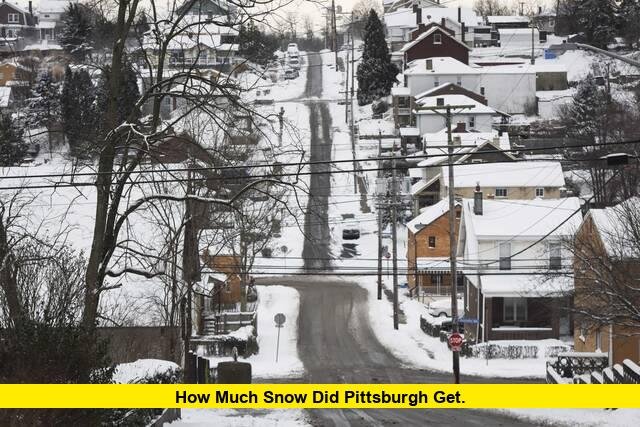

When Pittsburgh was hit by a powerful winter storm on January 25–26, 2026, the big question on everyone’s mind was how much snow did Pittsburgh get — and the answer shows just how significant this event was. Across the city and surrounding counties, snow piled deep, with official measurements showing that many areas were buried under more than a foot of snow. This storm brought some of the heaviest snowfall the region has seen in years, creating widespread travel issues, school closures, and a massive cleanup effort.
The historic snowfall transformed streets, parks, and neighborhoods into a winter landscape. As crews work around the clock to clear roads and sidewalks, residents are still digging out from beneath heavy white blankets that continue to affect life in the region.
If you live in Pittsburgh or you’ve been following the storm’s progress, this comprehensive breakdown of snowfall totals, impacts, and ongoing recovery efforts will help you understand just how deep and widespread the snow was.
Snowfall Totals Across Pittsburgh and Western Pennsylvania
The winter storm dropped substantial snow across Allegheny County and throughout Western Pennsylvania. In Pittsburgh, official reporting showed that the city received around 13.8 inches of snow during the main storm event, making this one of the largest single accumulations in recent memory.
Outside the city, totals were even higher in many communities:
- Several suburbs and nearby towns recorded 14 to 16 inches of snow.
- Some areas on the outskirts of the metro region saw totals approach or exceed 18 to 20 inches, especially in parts of Beaver, Butler, and Venango counties.
- Reports from local weather trackers showed that places like Clintonville and West Mayfield experienced some of the highest snowfall amounts, with totals near 20 inches.
Across Allegheny County alone, many municipalities saw double-digit snow depths, with Hampton Township, West View, Bradford Woods, and Bethel Park all nearing 14 inches on the ground.
Even communities farther from the city center reported heavy snow, including:
- Grove City and New Bethlehem with around 17 to 19 inches of snow.
- Multiple towns in Beaver and Butler counties reporting snow depths in the 15–20 inch range.
- Smaller towns across neighboring counties recording accumulations well above 10 inches.
This broad swath of heavy snowfall made clear that the storm was not confined to the city alone but spanned much of the Pittsburgh region and beyond.
Comparison to Past Snow Events
The snow that fell on January 25–26 was extraordinary by modern standards. At the National Weather Service station in Moon Township, Pittsburgh recorded over 11 inches of snow in a single day, making this one of the highest daily snow totals in the region this century. In fact, this total was just shy of the city’s highest single-day snowfall record from 2010.
Most towns and boroughs across the metro saw totals well above average for late January. Typical January snowfalls in the region are often measured in smaller increments, making this storm an outlier when compared to average winter conditions.
The cumulative totals across the area reflected how intense and long-lasting the snow bands were, with many areas exceeding normal monthly snowfall amounts in just one storm.
Impact on Transportation and Daily Life
With snow depths exceeding a foot in many locations, travel conditions quickly deteriorated. City streets, highways, and neighborhood roads became snow-covered and slick, prompting local officials to strongly advise residents to stay off the roads until plows could make meaningful progress.
- Major roadways and secondary streets were heavily impacted, slowing commutes and prompting authorities to focus on clearing priority routes first.
- Public transit services experienced delays as buses and other vehicles struggled in deep snow.
- Schools across Pittsburgh and surrounding districts closed or moved to remote learning as unsafe road conditions persisted.
- Businesses adjusted their hours or temporarily shut down to protect employees and customers.
Thanks to the relatively dry nature of the snow, widespread power outages were largely avoided, preserving essential services even as temperatures plunged.
Ongoing Cleanup and Snow Removal Efforts
City and county public works crews have been working nonstop to clear snow and restore normalcy. Plows focused first on main roads, then shifted to secondary roads and quieter residential streets. Even with these efforts, many areas still have deep snowbanks and icy patches that take time to manage.
Officials noted that the cleanup will take time, especially with severely cold temperatures expected to slow melting. In some areas, snow removal has proven difficult due to the sheer volume of snow and limited space to pile plowed snow.
Residents have also been asked to clear sidewalks in front of their homes, further contributing to community efforts to make neighborhoods passable and safe.
Weather Conditions After the Snowfall
Following the storm, temperatures in Pittsburgh and Western Pennsylvania dropped sharply. The region has experienced sustained frigid weather, with bitterly cold wind chills that made outdoor activity dangerous for extended periods.
These conditions have slowed snowmelt and kept roads and sidewalks icy even after plows passed through. Emergency crews have reminded residents to bundle up, watch for signs of frostbite, and monitor vulnerable populations like the elderly.
What This Means for Residents
For many Pittsburgh residents, the impact of this storm will be felt for days to come. Snowbanks remain high, driving will still require caution, and sidewalks may remain slick. Public transit may continue operating on adjusted schedules as crews work on clearing routes.
Local authorities continue to monitor conditions and update recommendations based on weather forecasts and cleanup progress. With continued cold in the forecast, melting will be slow and the snow may linger well into the week.
Community Response and Resilience
Despite the challenges posed by deep snow and cold temperatures, many neighborhoods have rallied to support one another. Neighbors have helped shovel driveways, cleared sidewalks, and checked on elderly residents.
The storm highlighted how communities come together in difficult conditions, and while the snow may stop falling, the efforts to support one another continue.
Tell us how your neighborhood handled the snowfall or share your snow photos in the comments.