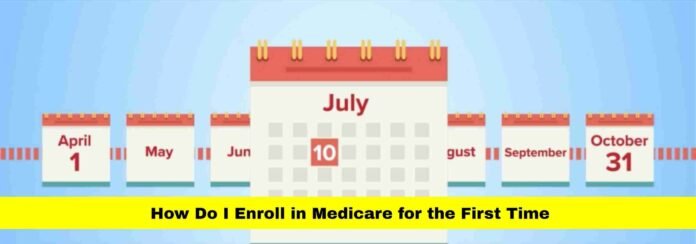

This guide explains everything Americans need to know before enrolling in Medicare, including eligibility, timing, coverage decisions, and common mistakes. It helps readers understand the process clearly so they can avoid penalties and coverage gaps.
Medicare plays a vital role in providing health coverage to millions of Americans as they age or face qualifying health conditions. If you are wondering how do i enroll in medicare for the first time, understanding the structure of Medicare, who qualifies, and when enrollment must happen is the first step toward securing reliable health coverage without unnecessary delays or penalties.
This guide explains the fundamentals of Medicare enrollment using current, verified information and breaks down the process in a clear, easy-to-follow way for first-time enrollees in the United States.
What Medicare Is and Why It Matters
Medicare is a federally administered health insurance program designed primarily for people aged 65 and older, as well as certain younger individuals with qualifying disabilities or medical conditions. It helps cover a wide range of healthcare services, including hospital stays, doctor visits, preventive care, and medical equipment.
The program is divided into multiple parts that serve different healthcare needs. Part A focuses on hospital-related care such as inpatient stays, skilled nursing facility services, hospice care, and limited home health care. Part B covers outpatient medical services, including physician visits, preventive screenings, mental health services, and medically necessary supplies.
Together, Parts A and B form what is often called Original Medicare. Many people start with these two parts when they first enroll and then consider additional coverage options later.
Who Is Eligible for Medicare Coverage
Most people become eligible for Medicare when they reach age 65. To qualify, you must be a U.S. citizen or a lawfully present resident who has lived in the country for a required period. Eligibility is not based on income, and enrollment is not limited by employment status.
Individuals under age 65 may also qualify if they have been receiving Social Security Disability benefits for a required duration or if they have specific medical conditions such as end-stage renal disease. In these cases, Medicare eligibility is tied to benefit eligibility rather than age.
Understanding your eligibility status helps determine whether you need to actively enroll or whether enrollment will happen automatically.
Automatic Enrollment Versus Manual Enrollment
Some people are automatically enrolled in Medicare without needing to apply. This typically happens if you are already receiving Social Security retirement benefits before you turn 65. In that situation, enrollment in Part A and Part B occurs automatically, and your Medicare card arrives before coverage begins.
If you are not receiving Social Security benefits when you approach age 65, you must actively sign up for Medicare. This includes people who delayed claiming Social Security, are still working, or plan to work past age 65. Failing to take action when required can lead to coverage delays and long-term penalties.
Understanding the Initial Enrollment Period
The Initial Enrollment Period is the most important timeframe for first-time Medicare enrollment. This period lasts seven months and is centered around your 65th birthday. It begins three months before the month you turn 65, includes your birthday month, and ends three months after.
This enrollment window gives you the opportunity to sign up for Medicare Parts A and B without facing late enrollment penalties. It also allows you to plan your coverage start date based on when you enroll during the period.
Enrolling early in this window often results in smoother coverage transitions and avoids unnecessary waiting periods.
How Enrollment Timing Affects Coverage Start Dates
The month you enroll during your Initial Enrollment Period determines when your Medicare coverage begins. If you enroll before your birthday month, coverage can start as early as the month you turn 65. Enrolling during or after your birthday month typically causes coverage to begin the following month.
Delaying enrollment until the final months of your Initial Enrollment Period may result in temporary gaps in coverage. Understanding this timing helps ensure your healthcare needs are covered when you need them most.
Why Missing Enrollment Deadlines Can Be Costly
Failing to enroll in Medicare when first eligible can have long-term consequences. If you miss your Initial Enrollment Period and do not qualify for a Special Enrollment Period, you may need to wait until the General Enrollment Period, which occurs once each year.
Late enrollment can lead to higher monthly premiums, particularly for Part B, and these penalties often last for as long as you have Medicare coverage. Additionally, delayed enrollment can leave you uninsured for months at a time.
Because of these risks, understanding enrollment deadlines is one of the most important steps in the Medicare process.
What Comes Next in the Enrollment Process
Now that you understand what Medicare is, who qualifies, and when first-time enrollment should happen, the next step is learning how to complete the enrollment process correctly. This includes knowing where to apply, what information you need, and how employment status affects your choices.
In the next section, we will walk through the exact steps to enroll, explain what to do if you are still working past 65, and outline how to avoid common mistakes that cause delays or penalties.
Have questions about your Medicare enrollment timeline or personal situation? Share your thoughts below or stay connected for the next part of this guide.