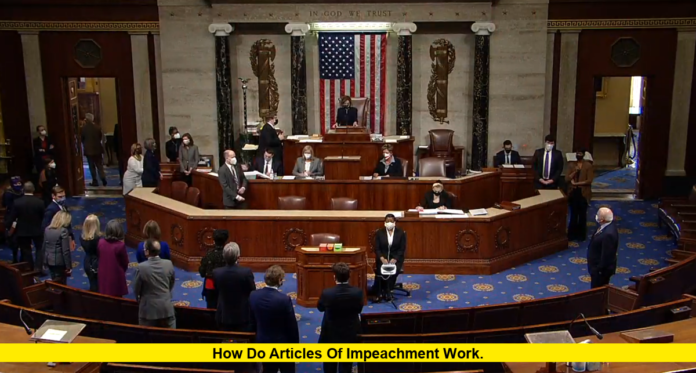

How Do Articles of Impeachment Work is a common question during major political controversies because impeachment is one of the most important constitutional checks available to Congress. In the United States, articles of impeachment are formal charges approved by the House of Representatives accusing a federal official, including a president, of alleged misconduct. Filing articles does not automatically remove an official from office. Instead, it begins a constitutional process that can lead to a Senate trial and a possible removal if the required votes are reached.
The impeachment process has recently drawn renewed attention after Rep. Steve Cohen introduced 26 articles of impeachment against President Donald Trump. Cohen’s filing outlined allegations involving issues such as executive power, military actions, immigration enforcement, federal authority, and alleged corruption. The articles represent accusations made by the lawmaker and would require action by the House and Senate before any constitutional consequences could occur.
What Are Articles of Impeachment?
Articles of impeachment are written statements that describe alleged wrongdoing by a federal official. They function similarly to an indictment in a criminal case, but impeachment itself is a political and constitutional procedure rather than a criminal trial.
The U.S. Constitution allows Congress to impeach the president, vice president, and other federal civil officers for “treason, bribery, or other high crimes and misdemeanors.” The Constitution does not provide a detailed list of every action that qualifies, leaving lawmakers to debate what conduct meets that standard.
An article of impeachment usually identifies:
- The alleged action or misconduct
- Why lawmakers believe the conduct violates constitutional duties
- The constitutional grounds for impeachment
A president can face one article of impeachment or multiple articles covering different allegations.
How Does the House of Representatives Begin an Impeachment Process?
The House of Representatives has the sole constitutional authority to bring impeachment charges. A member of the House may introduce articles of impeachment, but simply filing them does not mean impeachment has occurred.
The process generally follows these steps:
1. Introduction of impeachment articles
A representative introduces a resolution containing the proposed articles of impeachment. The filing explains the accusations and provides the legal and constitutional basis for the charges.
2. Committee review or investigation
The House may investigate the allegations through committees, gather information, hold hearings, or examine evidence. The exact procedure can vary depending on the circumstances and congressional rules.
3. House vote
If the House votes to approve one or more articles by a simple majority, the official is considered impeached. Impeachment means the House has formally accused the official; it does not mean the person has been removed from office.
What Happens After the House Impeaches a President?
After the House approves articles of impeachment, the process moves to the Senate.
The Senate conducts an impeachment trial where senators review the charges and consider arguments from both sides. House members selected as “managers” present the case against the official, acting similarly to prosecutors during the trial.
For a presidential impeachment trial:
- The Senate serves as the trial body.
- The Chief Justice of the United States presides.
- Senators consider evidence and arguments.
- A vote determines whether the president is convicted or acquitted.
A conviction requires a two-thirds vote of senators present. If convicted, the official can be removed from office. The Senate may also vote separately on whether to prevent the person from holding future federal office.
Does Impeachment Automatically Remove a President?
No. One of the biggest misunderstandings about impeachment is believing that approval of articles immediately removes a president.
The process has two separate stages:
- The House impeaches by approving charges.
- The Senate decides whether to convict and remove the official.
A president who is impeached but not convicted by the Senate remains in office. This has happened in previous presidential impeachment cases, including the impeachments of Andrew Johnson, Bill Clinton, and Donald Trump.
Why Are Articles of Impeachment Filed?
Members of Congress may introduce impeachment articles when they believe a government official has committed serious misconduct or abused constitutional authority.
Common issues raised in impeachment debates include:
- Abuse of presidential power
- Alleged violations of federal law
- Misuse of government authority
- Corruption-related accusations
- Obstruction of congressional investigations
- Actions lawmakers believe violate constitutional responsibilities
However, the introduction of articles represents the position of the lawmakers filing them. The Senate trial process is where constitutional responsibility and possible removal are determined.
Latest Impeachment Developments Involving Donald Trump
A recent impeachment effort involving President Donald Trump has placed renewed attention on how the process works. Rep. Steve Cohen announced 26 articles of impeachment, citing allegations related to executive actions, military decisions, immigration policies, alleged misuse of government power, and other issues.
The filing includes accusations from Cohen and does not itself remove Trump from office. For removal to happen, the House would need to approve impeachment articles and the Senate would need to convict with the required two-thirds majority.
The development has become part of a broader national debate about presidential authority, congressional oversight, and the constitutional limits placed on executive power.
How Long Does the Impeachment Process Take?
There is no fixed timeline for impeachment under the Constitution.
The process can take:
- Weeks or months during investigations
- Additional time for House debates and votes
- Further time for a Senate trial
The length depends on factors such as the complexity of allegations, congressional decisions, evidence involved, and political circumstances.
How Is Impeachment Different From a Criminal Trial?
Impeachment and criminal prosecution are separate processes.
An impeachment proceeding determines whether Congress believes a federal official should be removed from office. A criminal trial determines whether someone violated criminal law and faces criminal penalties.
A person can potentially face both proceedings because impeachment does not replace the normal court system.
Historical Examples of Presidential Impeachment
The United States has experienced several presidential impeachment proceedings.
The presidents who have been impeached by the House include:
- Andrew Johnson in 1868
- Bill Clinton in 1998
- Donald Trump in 2019
- Donald Trump in 2021
None of these presidents were removed from office through Senate conviction.
These historical cases show that impeachment is a rare constitutional action and that removal requires a separate Senate decision.
Why Understanding Articles of Impeachment Matters
Understanding How Do Articles of Impeachment Work helps explain the balance of power between Congress and the presidency. The impeachment system was designed as a constitutional safeguard that allows lawmakers to investigate and respond to serious allegations against federal officials while requiring multiple steps before removal from office.
The process reflects the U.S. system of checks and balances, where different branches of government have separate responsibilities and authority.
Final Thoughts: Stay informed about major constitutional developments and share your views on how the impeachment process shapes American government.