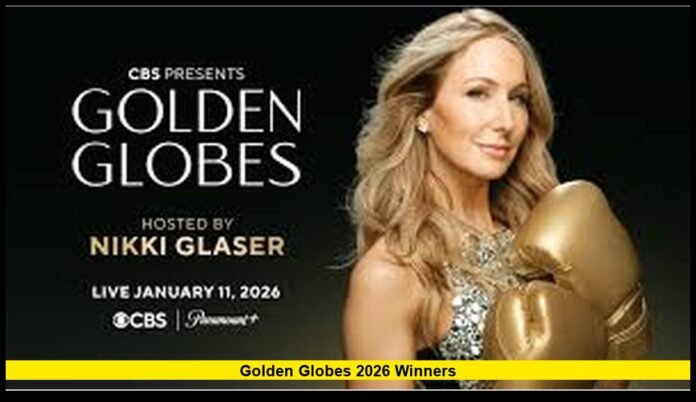

The golden globes 2026 winners were officially announced during the 83rd Annual Golden Globe Awards, delivering a night that reshaped the awards season narrative across film, television, and modern entertainment. Hosted at the Beverly Hilton, the ceremony celebrated storytelling excellence, standout performances, and creative ambition, while also signaling how the industry continues to evolve.
This year’s winners reflected a strong preference for character-driven stories, bold direction, and projects that connected emotionally with audiences. From prestige dramas to crowd-pleasing comedies and influential television series, the Golden Globes once again set the tone for Hollywood’s most competitive season.
A Defining Night for the Golden Globe Awards
The 2026 Golden Globes represented a moment of renewed confidence for the awards body. The ceremony balanced tradition with progress, honoring cinematic legacy while embracing modern formats and global voices. Voters rewarded films and series that demonstrated originality, artistic clarity, and cultural impact.
One of the night’s most noticeable trends was the dominance of projects that blended emotional depth with strong technical execution. Instead of relying solely on spectacle, many winners succeeded through grounded storytelling and memorable performances.
The event also underscored how entertainment consumption has changed. With television and streaming continuing to shape audience habits, small-screen storytelling stood shoulder to shoulder with theatrical releases throughout the evening.
Best Motion Picture – Drama
Winner: Frankenstein
Frankenstein claimed the award for Best Motion Picture – Drama, standing out for its atmospheric storytelling and disciplined direction. The film delivered a modern interpretation of a classic narrative while maintaining emotional intimacy and dramatic weight.
The win reflected strong support for films that challenge audiences without sacrificing accessibility. From its visual tone to its layered performances, Frankenstein established itself as one of the year’s most respected dramatic achievements.
Its victory also reinforced the Golden Globes’ continued appreciation for prestige filmmaking rooted in character and theme rather than spectacle alone.
Best Motion Picture – Musical or Comedy
Winner: One Battle After Another
In the Musical or Comedy category, One Battle After Another emerged as the top choice. The film blended humor with reflective storytelling, creating a balance that resonated across a wide audience base.
Rather than relying on nonstop comedy, the film used humor as a tool to explore relationships and personal growth. This approach helped it rise above a crowded field filled with high-profile releases.
The win highlighted a growing preference for comedies that offer substance alongside entertainment.
Best Motion Picture – Animated
Winner: KPop Demon Hunters
KPop Demon Hunters earned the Golden Globe for Best Animated Motion Picture, marking one of the night’s most talked-about victories. The film stood out for its dynamic animation style, energetic pacing, and music-driven narrative.
The award reflected recognition of animation as a medium capable of innovation and cross-cultural influence. Its success showed that animated films with bold creative identities can compete strongly against established franchises.
The win also emphasized animation’s expanding appeal beyond younger audiences.
Best Motion Picture – Non-English Language
Winner: It Was Just an Accident
The Best Non-English Language Motion Picture award went to It Was Just an Accident, a film praised for its emotional honesty and tightly focused narrative. The story resonated with viewers through universal themes and restrained storytelling.
Its recognition highlighted the continued rise of international cinema within major awards conversations. The win reinforced the idea that compelling stories can cross language boundaries with ease.
This category once again showcased the Golden Globes’ global perspective.
Best Actress in a Motion Picture – Drama
Winner: Jessie Buckley – Hamnet
Jessie Buckley secured the award for Best Actress in a Motion Picture – Drama for her performance in Hamnet. Her portrayal delivered emotional intensity through subtle expression rather than overt dramatics.
The performance stood out for its restraint, allowing the character’s internal struggle to unfold naturally. Buckley’s win reflected appreciation for performances that trust quiet moments as much as dramatic ones.
Her recognition further confirmed her reputation as one of the most respected dramatic actors working today.
Best Actor in a Motion Picture – Drama
Winner: Oscar Isaac – Frankenstein
Oscar Isaac won Best Actor in a Motion Picture – Drama for Frankenstein. His performance anchored the film, bringing emotional depth and psychological complexity to the story.
Isaac’s ability to balance vulnerability with intensity played a key role in the film’s overall success. The award acknowledged his consistent excellence and command of challenging roles.
This win added another major accolade to his career.
Best Actress in a Motion Picture – Musical or Comedy
Winner: Emma Stone – Bugonia
Emma Stone received the Golden Globe for Best Actress in a Motion Picture – Musical or Comedy for Bugonia. Her performance combined sharp comedic timing with emotional awareness.
Stone’s portrayal avoided exaggeration, favoring authenticity even in humorous moments. This balance allowed her character to feel relatable and grounded.
The win highlighted her versatility across genres and her continued relevance in contemporary cinema.
Best Actor in a Motion Picture – Musical or Comedy
Winner: Timothée Chalamet – Marty Supreme
Timothée Chalamet earned Best Actor in a Motion Picture – Musical or Comedy for Marty Supreme. His performance showcased confidence, charm, and controlled humor.
The role allowed Chalamet to explore lighter material without losing emotional credibility. His win reflected strong support for actors who successfully step outside familiar territory.
It marked an important milestone in his career evolution.
Best Supporting Actress – Motion Picture
Winner: Ariana Grande – Wicked: For Good
Ariana Grande won Best Supporting Actress for her role in Wicked: For Good. Her performance delivered emotional clarity while enhancing the film’s ensemble dynamic.
The award recognized her growth as a screen performer and her ability to translate stage presence into cinematic impact. Grande’s role added depth and resonance to the film’s narrative.
Her win stood as one of the night’s most notable acting moments.
Best Supporting Actor – Motion Picture
Winner: Jacob Elordi – Frankenstein
Jacob Elordi claimed Best Supporting Actor for Frankenstein. His performance provided a strong emotional counterpoint to the film’s lead roles.
Elordi demonstrated increased range and discipline, earning recognition for his contribution to the film’s dramatic balance. The award signaled growing industry confidence in his long-term potential.
Best Director – Motion Picture
Winner: Paul Thomas Anderson – One Battle After Another
Paul Thomas Anderson won Best Director for One Battle After Another. His direction emphasized character relationships, narrative rhythm, and tonal consistency.
The award reflected appreciation for his ability to guide performances while maintaining a cohesive visual style. Anderson’s influence was evident throughout the film’s success.
This win reinforced his standing among the most influential filmmakers of his generation.
Best Television Series – Drama
Winner: The Pitt
The Pitt earned Best Television Series – Drama, recognized for its steady storytelling and emotionally grounded approach. The series maintained strong momentum throughout its season.
The award highlighted the continued strength of serialized drama when supported by disciplined writing and performance consistency.
Best Television Series – Musical or Comedy
Winner: The Studio
The Studio won Best Television Series – Musical or Comedy. The show’s humor, combined with industry insight, resonated with both critics and viewers.
Its success reflected growing demand for smart comedies rooted in relatable professional environments.
Best Limited Series
Winner: Adolescence
Adolescence received the Golden Globe for Best Limited Series. The project stood out for its narrative focus and emotional cohesion.
The win reinforced the limited series format as a powerful storytelling vehicle.
Television Acting Highlights
Several television performances received top honors:
- Best Actress in a Television Drama: Rhea Seehorn – Pluribus
- Best Actor in a Television Drama: Noah Wyle – The Pitt
- Best Actress in a Television Musical or Comedy: Jean Smart – The Studio
- Best Actor in a Television Musical or Comedy: Seth Rogen – The Studio
Each performance contributed significantly to their series’ success.
Best Podcast Award
Winner: SmartLess
The introduction of the podcast category marked a historic moment. SmartLess became the first podcast to receive a Golden Globe, reflecting the medium’s growing influence.
The win acknowledged audio storytelling as a major part of the entertainment ecosystem.
Lifetime Achievement Honors
Two special awards honored lasting impact:
- Cecil B. DeMille Award: Helen Mirren
- Carol Burnett Award: Sarah Jessica Parker
Both recognitions celebrated careers defined by excellence and cultural influence.
Final Thoughts on the Golden Globes 2026 Winners
The golden globes 2026 winners captured a year shaped by creative ambition, strong performances, and evolving storytelling formats. The results reflected both industry tradition and forward-looking change.
As awards season continues, these victories will remain key reference points for film and television success.
Which Golden Globes 2026 winners impressed you the most? Share your thoughts and stay tuned for more entertainment updates.