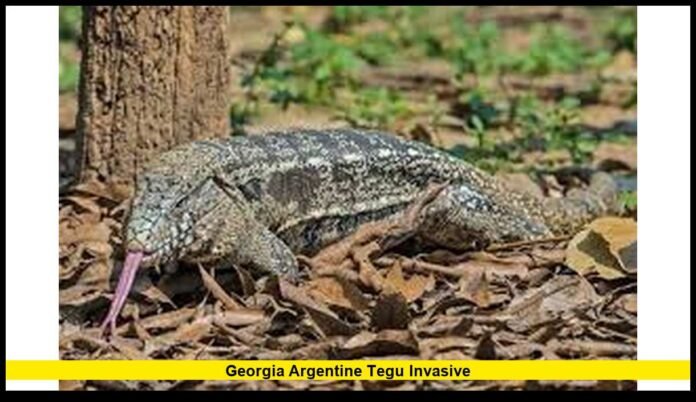

The georgia argentine tegu invasive problem continues to draw attention from wildlife managers in 2026 as state officials work to limit the spread of one of North America’s most concerning non-native reptile species. The Argentine black and white tegu has established itself in parts of southeastern Georgia, where it threatens native wildlife, disrupts ecosystems, and creates long-term conservation concerns. Ongoing trapping, monitoring, and public reporting efforts remain central to the state’s strategy as officials attempt to prevent further expansion.
Large invasive reptiles often receive public attention because of their size, but wildlife experts stress that the tegu’s greatest impact comes from its feeding habits and remarkable adaptability. Unlike many introduced species that struggle to survive outside their native range, tegus have demonstrated an ability to thrive in Georgia’s climate, reproduce successfully, and exploit a wide variety of food sources.
As temperatures rise across the state during the summer season, wildlife officials expect increased tegu activity, making this a critical period for monitoring and control efforts.
Understanding the Argentine Black and White Tegu
The Argentine black and white tegu is a large lizard native to South America. It naturally occurs across parts of Argentina, Brazil, Paraguay, and Uruguay. Over time, the species became popular in the exotic pet trade because of its intelligence and relatively calm behavior when raised in captivity.
Adult tegus can reach lengths exceeding four feet. Many weigh between ten and fifteen pounds, though some individuals grow larger. Their bodies are muscular and powerful, allowing them to move quickly on land, dig extensive burrows, and travel across a variety of habitats.
The species features a distinctive black-and-white pattern that makes adults easy to recognize. Juveniles often display green coloration around the head and neck, which gradually disappears as they mature.
Tegus possess characteristics that make them especially successful invaders. They are strong swimmers, capable climbers, efficient burrowers, and opportunistic feeders. These traits allow them to adapt to changing conditions and establish populations in areas where other exotic reptiles might fail.
How the Tegu Became Established in Georgia
Wildlife researchers generally believe Georgia’s wild tegu population originated from escaped or intentionally released pets.
The exotic reptile trade introduced thousands of tegus into the United States over several decades. While many owners successfully cared for these animals, others discovered that tegus require significant space, specialized diets, and long-term commitment.
A healthy tegu can live for 15 to 20 years or longer. As juveniles grow into large adults, some owners become unable to provide proper housing and care.
When reptiles are released into the wild, they may survive and reproduce if environmental conditions are suitable. Georgia’s climate has proven favorable enough for tegus to establish breeding populations in certain regions.
Over time, isolated releases can create self-sustaining populations, particularly when multiple animals occupy the same area.
Where Tegus Are Found in Georgia
The primary focus of Georgia’s tegu management efforts remains southeastern Georgia.
Wildlife officials have concentrated significant resources on areas where established populations have been confirmed. Toombs County and Tattnall County continue to be among the most important locations for monitoring and removal efforts.
Reports have also emerged from other parts of the state. Not every sighting indicates a breeding population, but each report receives attention from wildlife authorities because early detection can prevent new infestations from becoming established.
Tegus often occupy habitats that provide food, shelter, and nesting opportunities.
Common locations include:
- Pine forests
- Agricultural land
- Rural properties
- Brushy fields
- Wetland edges
- Roadside corridors
- Residential areas near natural habitats
Their ability to move between these environments contributes to the challenge of tracking and removing them.
Why Wildlife Officials Consider Tegus a Serious Threat
Many invasive species create ecological problems, but tegus present a unique combination of risks.
The species is highly adaptable and consumes a remarkably diverse diet. Rather than relying on one food source, tegus take advantage of whatever resources are available.
Their diet includes:
- Bird eggs
- Reptile eggs
- Small mammals
- Amphibians
- Insects
- Fruits
- Seeds
- Vegetables
- Carrion
This flexibility allows them to survive even when food availability changes throughout the year.
The greatest concern involves native species that rely on successful nesting for population stability. Tegus actively search for nests and consume eggs whenever possible.
Ground-nesting birds face particular risks because their nests are often easy targets for large predators.
Impact on Native Bird Populations
Georgia supports a diverse range of bird species, many of which nest on or near the ground.
When tegus enter nesting areas, they can significantly reduce reproductive success by consuming eggs before they hatch.
Species that may be vulnerable include:
- Northern bobwhite quail
- Wild turkey
- Various shorebirds
- Songbirds that nest close to the ground
Egg predation can affect population recovery efforts, particularly for species already facing habitat loss and environmental pressures.
Bird conservation programs often depend on strong nesting success rates. Additional pressure from invasive predators can complicate those efforts.
Read More – Largest Spider in the World Stuns Experts With Incredible Size, Strength, and Survival Secrets
Risks to Reptiles and Protected Species
The threat extends beyond birds.
Wildlife managers have expressed concern about impacts on reptiles that already face conservation challenges.
One frequently discussed issue involves gopher tortoises. These reptiles play an important role in southeastern ecosystems because their burrows provide shelter for numerous other species.
Tegus have been documented preying on tortoise eggs and hatchlings.
American alligators also face risks during nesting season. Large tegu populations can consume alligator eggs, reducing reproductive success in affected areas.
Because many reptile species produce relatively small numbers of offspring that survive to adulthood, nest predation can have significant long-term consequences.
A Predator Built for Survival
Several biological traits help explain why tegus have become successful invaders.
Excellent Burrowers
Tegus dig extensive underground shelters that protect them from weather extremes and predators.
These burrows also provide a safe place during colder months.
Seasonal Dormancy
Unlike tropical reptiles that require constant warmth, tegus can enter a dormant state during winter.
This adaptation allows them to survive temperatures that would challenge many other exotic species.
As a result, Georgia’s seasonal climate does not prevent them from establishing populations.
Strong Reproductive Potential
Female tegus can lay large clutches of eggs each year.
With favorable conditions, population growth can occur rapidly.
Even a relatively small breeding group can generate substantial numbers of offspring over time.
Dietary Flexibility
Many invasive species depend on specific foods.
Tegus do not.
Their ability to consume both plant and animal matter increases survival opportunities and supports expansion into different habitats.
The Economic Impact of Invasive Tegus
Although ecological concerns remain the primary issue, tegus can also affect economic interests.
Agricultural producers monitor invasive species closely because crop losses and livestock impacts can become costly.
Tegus may consume:
- Fruits
- Vegetables
- Poultry eggs
- Animal feed
In rural areas, these feeding habits can create conflicts with farming operations.
Property owners may also encounter damage associated with burrowing activity. Large burrows can alter landscapes and create maintenance concerns.
As populations grow, management expenses often increase as agencies dedicate additional resources to monitoring and removal.
Georgia’s Ongoing Response Strategy
Georgia has implemented a multi-layered approach to managing invasive tegus.
Wildlife officials continue to focus on:
- Population surveys
- Trapping programs
- Public education
- Research initiatives
- Reporting systems
Field crews routinely monitor known activity areas. Traps are deployed in strategic locations where tegus are likely to travel.
Camera systems help researchers identify movement patterns and estimate population size.
These efforts provide valuable information about distribution, reproduction, and seasonal activity.
The Importance of Public Reporting
One of the most effective tools available to wildlife managers is public participation.
Residents often provide the first indication that a tegu has appeared in a new area.
Officials encourage people to report sightings as soon as possible.
Useful information includes:
- Date of observation
- Exact location
- Photographs
- Animal size
- Behavior
Accurate reports help biologists respond quickly and determine whether additional surveys are needed.
Early intervention remains one of the best defenses against population expansion.
How to Identify a Tegu
Correct identification is important because Georgia is home to several native reptiles that should not be confused with invasive species.
Common tegu characteristics include:
| Feature | Description |
|---|---|
| Length | Up to four feet or more |
| Color | Black-and-white patterned body |
| Tail | Long, thick, and powerful |
| Build | Heavy-bodied appearance |
| Movement | Fast and purposeful |
| Head | Broad, robust shape |
Young tegus often display green coloration around the head, making them appear different from adults.
Anyone uncertain about identification should photograph the reptile and report it rather than attempting to determine the species independently.
Why Prevention Matters
Invasive species management becomes more difficult and expensive once populations spread widely.
Many regions across the United States continue to battle invasive animals introduced decades ago.
Wildlife managers view prevention as the most cost-effective strategy.
When a population remains concentrated within a limited area, eradication efforts have a greater chance of success.
Once invasive species become widespread, complete removal may no longer be realistic.
This reality drives Georgia’s aggressive response to tegu sightings.
What Residents Should Do If They Encounter a Tegu
People who encounter a tegu should prioritize safety while helping wildlife authorities gather information.
Recommended actions include:
- Observe the animal from a safe distance.
- Take photographs if possible.
- Note the location carefully.
- Report the sighting promptly.
- Follow applicable state regulations regarding invasive species.
Property owners in areas with known tegu activity may also reduce attractants by securing pet food and limiting easy access to food sources.
Simple preventative measures can make properties less appealing to wildlife.
The Future of Tegu Management in Georgia
The coming years will play a major role in determining whether Georgia can successfully limit the spread of invasive tegus.
Wildlife agencies continue investing in research, monitoring, and removal programs designed to protect native ecosystems.
Public awareness has increased significantly as more residents learn about the environmental risks associated with invasive reptiles.
Continued cooperation among landowners, researchers, conservation groups, and wildlife officials remains essential.
The challenge is substantial, but early detection, rapid response, and ongoing management provide important tools in the effort to safeguard Georgia’s wildlife and natural resources from one of the Southeast’s most persistent invasive reptile threats.
Have you seen a tegu in Georgia or noticed unusual wildlife activity in your area? Share your thoughts and stay informed about developments affecting the state’s native ecosystems.