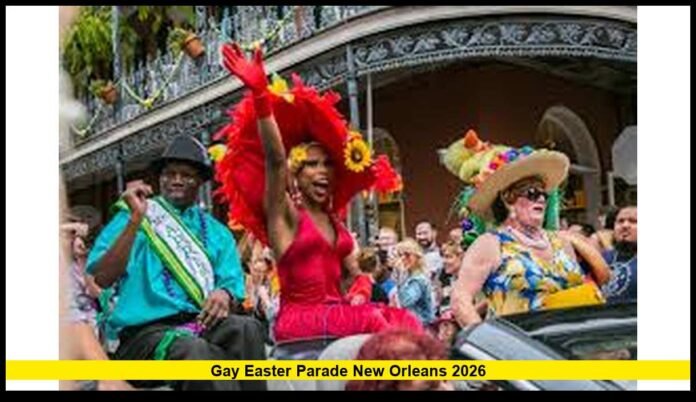

The gay easter parade new orleans returned in full color and style on Easter Sunday, April 5, 2026, transforming the French Quarter into one of the most vibrant spring celebrations in the United States. With thousands lining the historic streets, the event once again showcased a dazzling blend of high fashion, festive energy, and community pride that continues to define this unique tradition.
From ornate horse-drawn carriages to meticulously styled outfits and lively crowds, the parade delivered a one-of-a-kind experience that stands apart from traditional Easter events. Visitors from across the country gathered in New Orleans to witness a celebration that merges timeless elegance with bold self-expression.
A Standout Easter Tradition in the Heart of the French Quarter
New Orleans has long been known for its parades, but Easter Sunday brings a distinct charm to the city. Unlike Mardi Gras, which leans into large-scale spectacle and floats, this parade offers a more intimate yet equally captivating experience.
The procession began in the late afternoon, moving through iconic French Quarter streets as spectators filled sidewalks, balconies, and outdoor cafés. The atmosphere built steadily throughout the day, with earlier Easter activities setting the tone before the main event took center stage.
What makes this parade remarkable is its ability to honor tradition while embracing modern creativity. Participants arrive dressed in their finest interpretations of Easter attire, turning the streets into a living runway filled with color and imagination.
Fashion as the Main Attraction
At the core of the parade is fashion—bold, theatrical, and meticulously planned. Participants treat the event as an opportunity to showcase their creativity, often spending weeks or months preparing their looks.
Men appear in pastel suits, tailored tuxedos, and coordinated group ensembles that reflect both classic Southern style and contemporary flair. Women bring glamour to the forefront with flowing dresses, statement accessories, and elaborate hats that often become the highlight of their outfits.
Easter bonnets play a central role in the visual spectacle. Oversized, artistic, and sometimes humorous, these hats push the boundaries of traditional fashion. Some feature floral arrangements, miniature sculptures, or themed decorations that capture attention from every angle.
The result is a parade that feels part fashion show, part celebration, and entirely unique.
Horse-Drawn Carriages and Vintage Elegance
One of the defining features of the event is the use of horse-drawn carriages. These elegant vehicles add a sense of nostalgia and sophistication, setting the parade apart from other modern celebrations.
Each carriage is carefully decorated to match the theme or aesthetic of its riders. Floral arrangements, pastel ribbons, and spring-inspired designs create a cohesive look that enhances the overall visual appeal.
The slow, graceful movement of the carriages allows spectators to fully appreciate the details of each participant’s attire, making the experience feel more personal and immersive.
A Route That Showcases New Orleans Culture
The parade’s path winds through some of the most recognizable streets in the French Quarter, offering a backdrop that enhances the entire experience. Historic buildings, wrought-iron balconies, and lively storefronts create a setting that feels both timeless and energetic.
As the procession moves through the neighborhood, spectators gather in clusters, cheering, taking photos, and interacting with participants. The close proximity between the crowd and the parade creates a sense of connection that larger events often lack.
Music from nearby venues spills into the streets, blending with the sounds of celebration and adding another layer of energy to the event.
Easter Weekend Builds Momentum
The Gay Easter Parade is the highlight of a weekend filled with activity. Festivities begin days before Easter Sunday, drawing visitors who want to experience everything the city has to offer.
Good Friday events kick off the weekend with social gatherings, themed parties, and community-focused activities. These events often support local initiatives, bringing an added sense of purpose to the celebrations.
On Easter Sunday morning, traditional parades and family-friendly activities take place across the city. By the afternoon, the energy shifts toward the French Quarter as anticipation builds for the main event.
The Easter Bonnet Contest is another popular attraction, inviting participants to showcase their creativity in a playful and competitive setting. The contest draws large crowds and sets the stage for the fashion-forward atmosphere of the parade.
An Inclusive Celebration With Broad Appeal
While the parade celebrates LGBTQ+ culture, its appeal extends far beyond any single community. Families, tourists, and locals all come together to enjoy the spectacle, creating a diverse and welcoming environment.
This inclusivity is a key reason for the event’s continued growth. It offers a space where people can express themselves freely while also connecting with others in a shared celebration.
The tone of the parade remains upbeat and positive, emphasizing joy, creativity, and community rather than exclusivity.
Crowd Energy and Street-Level Excitement
By the time the parade begins, the French Quarter is already buzzing with activity. Restaurants and bars open early, offering special menus and outdoor seating that allow guests to enjoy the festivities.
Balconies fill with spectators eager for a bird’s-eye view, while street-level crowds gather along the route for a closer look. The interaction between participants and spectators adds to the overall excitement.
Beads and small gifts are often tossed into the crowd, adding an interactive element that keeps energy levels high throughout the event.
Despite the large turnout, the atmosphere remains friendly and celebratory, with a focus on shared enjoyment rather than competition for space.
Travel and Planning Insights for Visitors
Easter weekend is one of the busiest times of the year in New Orleans, and planning ahead is essential for anyone looking to attend the parade.
Hotels in and around the French Quarter tend to fill up quickly, often weeks in advance. Many visitors choose accommodations within walking distance to avoid traffic and parking challenges.
Arriving early on parade day is highly recommended, especially for those who want prime viewing spots. Streets begin to fill hours before the procession starts, and the most popular areas can become crowded.
Comfortable clothing, hydration, and sun protection are important, as spring weather in New Orleans can be warm and humid.
The Economic and Cultural Impact
Events like this play a significant role in the local economy, drawing visitors who contribute to hotels, restaurants, and small businesses throughout the city.
Beyond the economic benefits, the parade also reinforces New Orleans’ reputation as a destination for cultural celebrations. Its ability to combine tradition with modern expression reflects the broader identity of the city.
Local organizations and community groups often benefit from related events and fundraising efforts, adding a layer of social impact to the festivities.
Why the Parade Continues to Grow Each Year
Since its early days, the parade has steadily gained recognition as one of the most distinctive Easter celebrations in the country. Its growth can be attributed to several factors:
- A strong emphasis on creativity and individuality
- A welcoming atmosphere that attracts diverse audiences
- The unique setting of the French Quarter
- A balance between tradition and modern expression
These elements combine to create an event that feels both familiar and fresh each year.
The Experience Beyond the Parade
For many visitors, attending the parade is just one part of a larger New Orleans experience. The city offers a wide range of attractions, from live music and historic tours to world-renowned cuisine.
Easter weekend provides an opportunity to explore these offerings while also participating in a major cultural event. The combination makes for a memorable trip that goes beyond a single day of celebration.
What Sets This Event Apart Nationally
Across the United States, Easter parades are typically more traditional, focusing on church gatherings and family activities. The gay easter parade new orleans stands out by blending those traditions with bold artistic expression.
This fusion creates an event that appeals to a wide audience while still maintaining a distinct identity. It captures the spirit of New Orleans—vibrant, inclusive, and deeply rooted in celebration.
Looking Ahead After 2026
With another successful year drawing large crowds and widespread attention, the future of the parade looks strong. Its ability to adapt while staying true to its core identity ensures that it will remain a key part of New Orleans’ cultural calendar.
As more people discover the event, its influence continues to expand, attracting visitors who return year after year.
Conclusion
The 2026 celebration delivered everything attendees have come to expect—style, energy, and a sense of community that defines New Orleans at its best. From the first glimpse of decorated carriages to the final moments of the procession, the parade offered a vibrant and unforgettable experience.
Whether drawn by the fashion, the atmosphere, or the cultural significance, visitors found plenty to enjoy in this one-of-a-kind Easter tradition.
Planning to attend next year or already experienced it this time? Share your thoughts and join the conversation as this iconic celebration continues to grow.