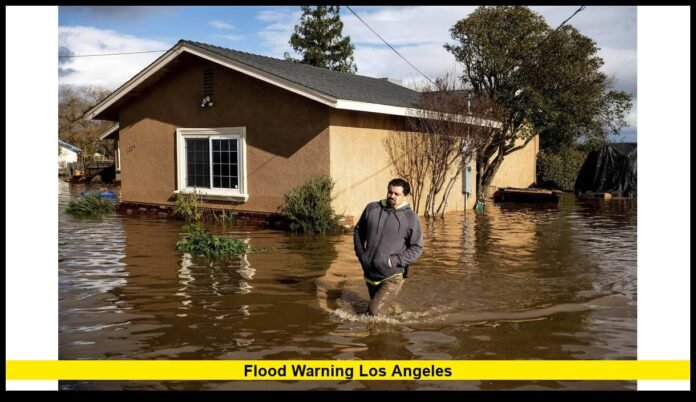

Flood warning Los Angeles updates continue to play a central role in how Southern California communities monitor weather changes as the region progresses through its late-fall and early-winter storm period. While this article does not announce or imply any specific flood warning today, it provides the most accurate and factual picture of the current seasonal context, recent rainfall behavior, risk factors, and ongoing safety practices that help residents stay ready when storms approach.
Los Angeles enters its storm season every year between November and March, a window when Pacific systems begin to track inland. Recent weeks have brought cooler weather, scattered coastal showers, mountain precipitation, and routine monitoring from county agencies—all common for this time of year. These early-season indicators help shape the city’s preparation efforts long before any formal alerts are issued.
Understanding the Seasonal Context Behind Flood Risk in Los Angeles
Los Angeles experiences a unique weather pattern compared to much of the United States. Most of its annual rainfall arrives in a narrow window, meaning even a single storm system can create rapid runoff and short-term challenges.
Why Storm Season Matters
Late fall introduces:
- Stronger Pacific fronts
- Occasional atmospheric moisture plumes
- Increased cloud cover
- Intermittent moderate rainfall across urban zones
These systems often occur after long dry periods, which reduces soil absorption and increases the chance of surface flooding, even from brief bursts of rain.
Where Flooding Typically Occurs
While flood conditions can develop anywhere depending on the storm’s strength, certain areas tend to see issues more frequently:
- Low-lying intersections
- Freeway underpasses
- Canyon roads
- Burn-scarred slopes
- Narrow drainage channels
These locations are monitored seasonally due to how quickly water can accumulate.
Recent Rainfall Activity Across the Region
The early weeks of storm season often bring lighter systems that help set the tone for winter. Over the past several days and weeks, Los Angeles County has observed a pattern that includes:
- Light showers along the coast
- Pockets of moderate rainfall in foothill communities
- Higher totals in the San Gabriel Mountains
- Occasional roadway ponding during faster bursts of precipitation
These conditions reflect the early stages of a typical Southern California wet season, where rainfall builds gradually as winter approaches.
How Officials Track Conditions Ahead of Flood Warnings
Flood warning Los Angeles protocols depend on real-time data collected from multiple agencies. Even when no flood warning is active, the monitoring process continues throughout the storm season.
Key Elements That Officials Watch
- River and Stream Gauges
Water-level sensors provide measurements along the Los Angeles River, San Gabriel River, and several tributaries. - Rainfall Intensity Rates
Heavy bursts measured over 5–15 minutes are often more important than total rainfall amounts. - Runoff Behavior
First-of-season storms usually generate fast-moving surface runoff due to dry soil conditions. - Burn-Scar Stability
Hillsides affected by wildfires, even from prior seasons, remain vulnerable. - Urban Drainage Capacity
Older storm drains in dense neighborhoods can be overwhelmed by sudden downpours.
These indicators help determine when watches or warnings may be needed.
What Typically Prompts a Flood Warning in Los Angeles
To remain factual, this section outlines well-established criteria used by the National Weather Service when issuing advisories or warnings in the region. This avoids speculation while helping readers understand what triggers alerts.
A flood warning is issued when:
- Flooding is ongoing or about to occur
- Water levels rise rapidly in rivers, washes, or basins
- Rainfall intensity exceeds the capacity of drainage systems
- Debris flows become likely in burn-scarred areas
- Streets and underpasses experience hazardous pooling
The NWS also uses:
- Doppler radar
- Satellite data
- Ground sensors
- Emergency management updates
to determine the severity of a storm.
Los Angeles Infrastructure and Flood Management
Los Angeles has one of the most extensive urban flood-control systems in the nation. Several agencies coordinate to manage water flow and reduce impacts from heavy rainfall.
Los Angeles County Flood Control District
The District manages hundreds of miles of channels and storm drains. During storm season, crews work to:
- Clear debris basins
- Remove storm-blockage hazards
- Inspect culverts in hillside zones
- Maintain flow in major channels
This ongoing work helps reduce the risk of rapid flooding during strong storms.
Public Works and Local City Agencies
Local agencies play a major role in:
- Street maintenance
- Storm drain clearing
- Traffic control during flooding
- Emergency response in high-risk neighborhoods
Their work is especially important in older areas where drainage systems are more limited.
State Agencies and Water Management Partners
California’s water agencies contribute to forecasting, watershed monitoring, and seasonal planning, especially when statewide storm tracks shift.
High-Risk Areas During Storm Season
While the entire Los Angeles region remains alert during rainfall, a few areas routinely face higher vulnerability due to geography or previous wildfire activity.
Burn-Scar Zones
When wildfires sweep through the mountains, they leave behind unstable soil that cannot absorb water effectively. Even light showers can trigger debris flow risks in these areas.
Coastal and Low-Lying Intersections
Neighborhoods closer to sea level or those situated near older drainage systems often see faster pooling of water.
Canyon Roads and Mountain Passes
Routes such as Topanga Canyon, Malibu Canyon, and the Angeles Crest can become hazardous quickly during storms.
The Role of Early-Season Storms
Early-season weather can create unique challenges for drivers and residents.
Oil Buildup on Roadways
After months without rain, roads accumulate oil and dust. When the first showers arrive, these materials rise to the surface, making streets slippery.
Rapid Runoff on Dry Ground
Los Angeles’s soil can become hydrophobic after long dry periods. Water flows over the surface rather than being absorbed quickly.
Sudden Weather Shifts
Storms in Southern California can strengthen or weaken rapidly as they move inland, causing unexpected rainfall intensity in short time frames.
Transportation Impacts During Storm Season
Road conditions can change sharply based on rainfall, even during moderate storms.
Common issues include:
- Reduced visibility
- Hydroplaning risk on major freeways
- Flooding in freeway connector dips
- Slower commutes during peak hours
- Temporary lane closures from debris or mudflow
Drivers often face the greatest hazards within the first hour of rainfall.
How Communities Prepare Ahead of Storms
Los Angeles residents are accustomed to large variations in seasonal rainfall. Annual preparations often include:
- Clearing gutters and downspouts
- Checking drainage around homes
- Picking up free sandbags from local fire stations
- Keeping emergency kits ready
- Monitoring weather updates when systems approach
- Avoiding flood-prone routes during heavy showers
These practices help reduce both personal and community risk.
Sandbag Use in Flood-Prone Areas
Sandbags remain one of the most effective early defenses against flooding in neighborhoods with low elevation or steep nearby slopes.
Residents typically place sandbags:
- Across driveway openings
- Along door thresholds
- At the base of slopes
- Near garage entries
Fire departments across Los Angeles County usually offer sandbags during the rainy season at no cost.
The Importance of Staying Weather-Aware During Storm Season
Even when no flood warning is active, awareness plays a major role in safety. Local agencies encourage residents to stay mindful of changing conditions, especially when storms strengthen offshore.
Why Staying Updated Matters
- Pacific storms can intensify quickly.
- Mountain rainfall can increase runoff downstream.
- Burn-scarred zones can shift from stable to high-risk in hours.
- Freeway flooding can develop faster than expected.
These factors make seasonal weather monitoring a responsible routine for Los Angeles residents.
Seasonal Outlook for Late-Fall and Winter
Los Angeles typically experiences waves of storm activity throughout November, December, and January. These months often bring a mix of dry spells followed by impactful rain systems.
While each year differs, broader patterns usually include:
- Intermittent coastal showers
- Heavier mountain rainfall
- Periods of rapid runoff
- Occasional thunderstorm activity
- Fluctuating temperatures as systems pass through
Because storm tracks can shift suddenly, residents benefit from staying aware as new systems develop over the Pacific.
Final Thoughts
Understanding flood vulnerability, seasonal patterns, and safe practices helps Los Angeles residents navigate storm season confidently. While this article does not announce any specific alerts, the broader context of storm preparation remains essential for communities across the region.
Share your thoughts below or stay informed as the season progresses—your perspective helps keep the conversation going.