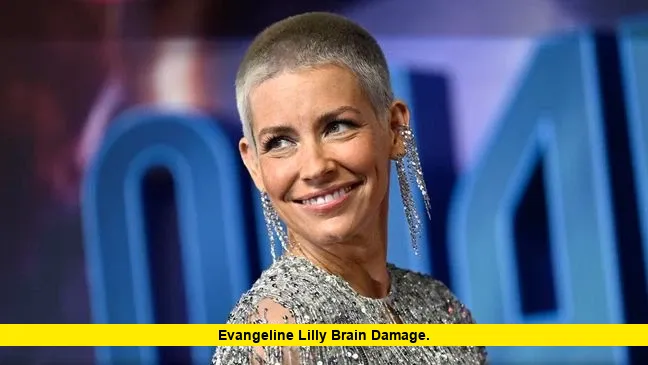

The phrase evangeline lilly brain damage has surged across headlines after the well-known actress publicly revealed serious health challenges following a traumatic accident. Evangeline Lilly, widely recognized for her roles in Lost and Marvel films, shared that she is now dealing with lasting effects from a traumatic brain injury sustained in 2025—an update that has captured attention across the U.S. and beyond.
Her revelation has sparked widespread concern and conversation, especially as new details clarify the severity of the injury and its impact on her daily life.
Stay with this story as we break down what happened, what doctors found, and what it means for her future.
What Happened: The Accident That Changed Everything
In May 2025, Lilly experienced a sudden fainting episode while at a beach in Hawaii. During the incident, she collapsed and struck her face and head against a rock. The fall caused visible injuries, including facial trauma and a concussion.
At the time, the event appeared serious but manageable. However, as months passed, lingering symptoms raised deeper concerns.
Lilly has shared that she has experienced fainting spells since childhood. Earlier in life, these episodes were thought to be related to hypoglycemia, but no definitive diagnosis fully explained the recurring issue.
The 2025 fall marked a turning point.
Diagnosis: Brain Function Decline Confirmed
Months after the accident, medical imaging revealed a troubling development. Brain scans showed that nearly all areas of her brain were operating at a reduced capacity.
This led to the diagnosis that now defines the evangeline lilly brain damage story: a traumatic brain injury with widespread neurological impact.
According to her own statements, the findings explained cognitive changes she had been experiencing—issues that she initially believed might be linked to hormonal changes such as perimenopause.
Instead, the scans confirmed a far more complex neurological condition.
Symptoms and Daily Impact
Since the injury, Lilly has described a range of cognitive challenges affecting her daily functioning.
These include:
- Reduced mental clarity
- Difficulty concentrating
- Slower cognitive processing
- Word-finding challenges
- Memory-related issues
Rather than isolated symptoms, the condition affects multiple areas of brain performance simultaneously. That widespread impact is what makes traumatic brain injuries particularly difficult to manage.
Lilly has acknowledged that the changes forced her to slow down significantly—a major shift from her previously demanding lifestyle.
A Life Reset: Slowing Down After Years in the Spotlight
Interestingly, Lilly has spoken openly about how the injury altered her perspective on life.
Before the accident, she maintained an intense schedule shaped by years in the entertainment industry. Following the diagnosis, she stepped back further from acting—something she had already begun doing prior to the incident.
Her last major film appearance was in a Marvel production released in 2023. Since then, she has focused more on writing and humanitarian efforts.
The injury reinforced that transition.
She has described the slowdown as both difficult and unexpectedly grounding, offering her time to rest in ways she hadn’t previously allowed.
Medical Reality: Understanding Traumatic Brain Injury
Traumatic brain injury (TBI) occurs when an external force disrupts normal brain function. In Lilly’s case, the impact from hitting a rock caused the injury.
What makes TBIs complex is their variability. Some individuals recover fully, while others experience long-term or permanent effects depending on severity and treatment response.
Lilly’s case involves:
- A concussion evolving into long-term neurological changes
- Evidence of decreased function across multiple brain regions
- A recovery process expected to require sustained medical care
The road ahead typically involves neurological monitoring, therapy, and gradual rehabilitation.
Recovery Plan: What Comes Next
Lilly has made it clear that her focus now is on working closely with medical professionals to improve her condition.
Recovery from brain injury often includes:
- Cognitive rehabilitation therapy
- Lifestyle adjustments to reduce strain on the brain
- Monitoring neurological function over time
- Addressing underlying causes of fainting episodes
She has expressed determination to pursue treatment, even while acknowledging the challenges ahead.
Unlike acute injuries, brain recovery is often gradual and unpredictable. Progress can take months or even years.
Public Reaction Across the U.S.
The news has resonated strongly with audiences, especially fans who followed Lilly’s career from her breakout role in television to major Hollywood films.
Many have responded with concern and support, noting her openness about a condition that is often difficult to discuss publicly.
Her willingness to share detailed updates has also drawn attention to the broader issue of brain injuries—something that affects millions of Americans each year.
Career Status: Where Things Stand Now
At present, Lilly is not actively pursuing new acting roles.
Instead, she has shifted her priorities toward:
- Personal health and recovery
- Writing projects
- Humanitarian work
This decision aligns with her pre-injury plans to step back from Hollywood, but the medical diagnosis has reinforced that direction.
There has been no official announcement about a return to acting.
Why This Story Matters
The evangeline lilly brain damage update is more than a celebrity health headline—it highlights a critical medical issue with real-world relevance.
Key takeaways include:
- Brain injuries can have delayed and evolving symptoms
- Early assumptions about symptoms may not reflect underlying causes
- Recovery requires long-term commitment and medical support
Lilly’s case underscores how a single accident can lead to lasting neurological changes, even for otherwise healthy individuals.
Raising Awareness About Hidden Injuries
One of the most important aspects of this story is awareness.
Traumatic brain injuries are often called “invisible injuries” because their effects are not always immediately visible. Cognitive and emotional changes can take time to appear and may be misunderstood.
By speaking openly, Lilly has contributed to a broader understanding of:
- The seriousness of concussions
- The importance of medical follow-up
- The long-term nature of recovery
Her experience reflects a reality faced by many patients across the United States.
Looking Ahead
While the path forward remains challenging, Lilly has emphasized her commitment to healing.
Her approach combines:
- Medical treatment
- Lifestyle changes
- A shift in personal priorities
Though recovery timelines vary, her focus remains on improving brain function and adapting to the changes she is experiencing.
What are your thoughts on this update? Share your perspective or keep checking back for the latest developments as this story continues to unfold.