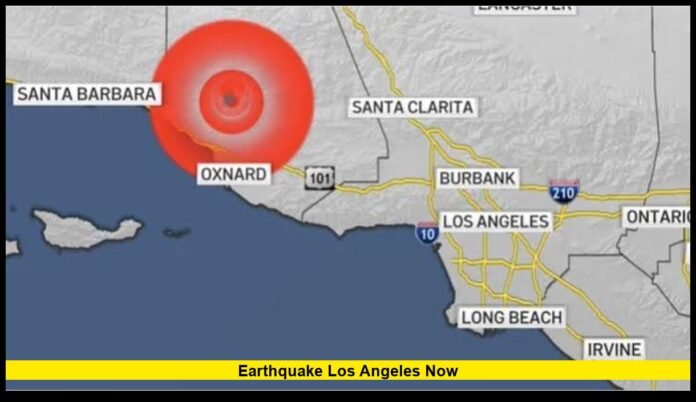

Earthquake los angeles now remains a highly searched topic as residents across Los Angeles and surrounding Southern California communities continue monitoring seismic activity. The latest verified updates show that earthquake monitoring systems remain active throughout the region, with no confirmed major damaging earthquake emergency reported in Los Angeles at this time. Scientists continue tracking ground movement, analyzing seismic data, and providing timely information about earthquake activity across Southern California.
Los Angeles experiences regular earthquake activity because the region sits near several active fault systems. Most recorded earthquakes are small and cause little or no impact, but continuous monitoring helps officials and residents understand changing conditions and prepare for possible future events.
Current Earthquake Activity in the Los Angeles Area
The Los Angeles region continues to experience normal seismic activity, including minor earthquakes that are frequently detected by monitoring networks. These small events are common in Southern California and are part of the natural movement of the Earth’s crust.
At the latest update, there are no confirmed reports of widespread damage, major injuries, or emergency conditions connected to a significant earthquake in Los Angeles.
Earthquake monitoring teams continue observing activity across Los Angeles County and nearby areas. Data from seismic stations helps determine important details, including:
- The location of an earthquake
- The strength of shaking
- The depth of the event
- Whether additional activity follows
Small earthquakes can occur at any time, and many are only noticeable through scientific instruments. Some may be felt by residents, especially when they happen close to populated communities.
Why Earthquakes Are Common in Los Angeles
Los Angeles is located in one of the most active earthquake regions in the United States. The city sits within a complex network of faults created by the movement of major tectonic plates.
The Pacific Plate and North American Plate are constantly moving against each other. This movement creates stress along faults beneath and around Southern California. When built-up stress is released, it can produce an earthquake.
Several faults influence earthquake activity in the Los Angeles region, including:
- San Andreas Fault
- Newport-Inglewood Fault
- Puente Hills Fault
- Santa Monica Fault
- Sierra Madre Fault
Each fault system behaves differently. Some produce smaller earthquakes more frequently, while others may remain quiet for longer periods.
Scientists closely study these faults to better understand earthquake patterns. However, modern science cannot determine the exact date, location, or magnitude of a future earthquake before it happens.
How Scientists Track Earthquake Activity
Modern earthquake monitoring allows scientists to detect and analyze seismic events within minutes. Networks of sensors across California record vibrations traveling through the Earth.
When an earthquake occurs, monitoring systems collect information about:
- Magnitude
- Epicenter location
- Depth
- Ground movement
- Shaking intensity
This information helps emergency agencies, researchers, and residents understand what happened and what actions may be necessary.
Earthquake reports may change slightly after the initial detection because scientists continue reviewing data and improving accuracy. Initial estimates are often updated as more information becomes available.
No Major Earthquake Emergency Reported in Los Angeles
The latest available information does not show a confirmed major earthquake disaster affecting Los Angeles. There are no verified reports of widespread building failures, large-scale evacuations, or major infrastructure damage linked to a recent significant earthquake in the city.
Residents should be cautious when seeing earthquake-related posts on social media. Online reports can spread quickly, but official earthquake information provides the most reliable details about magnitude, location, and impact.
During active earthquake situations, verified updates are important because incorrect information can create unnecessary concern.
Recent Seismic Activity Across Southern California
Southern California regularly experiences earthquakes in different areas. Some events occur near Los Angeles, while others happen in surrounding counties.
Recent earthquake activity across the region has included smaller and moderate events that were monitored by scientific agencies. These earthquakes highlight the continuing movement of fault systems throughout Southern California.
Not every earthquake felt in the region is connected to the same fault. Southern California contains many separate fault structures, and activity in one area does not automatically indicate changes elsewhere.
Scientists continue examining earthquake patterns to improve understanding of regional seismic behavior.
What Residents Should Do During an Earthquake
Preparation plays an important role for people living in earthquake-prone areas. While earthquakes cannot be prevented, safety planning can reduce risks.
During shaking, emergency experts recommend the following actions:
- Drop down to your hands and knees
- Cover your head and neck
- Hold onto sturdy shelter until movement stops
People should avoid rushing outside during strong shaking. Falling objects, broken glass, and damaged structures can create additional dangers.
After an earthquake, residents should check their surroundings carefully. Important safety steps include:
- Looking for gas leaks
- Checking for electrical hazards
- Staying away from damaged buildings
- Following official emergency instructions
Having emergency supplies available can also help families manage unexpected situations.
Earthquake Preparedness for Los Angeles Residents
Many Los Angeles residents prepare for earthquakes because seismic activity is part of everyday life in Southern California.
A basic emergency plan may include:
- Several days of water and food supplies
- Flashlights and extra batteries
- First-aid materials
- Important documents
- Emergency contact information
- Necessary medications
Families can also discuss meeting locations and communication plans in case phone networks become overloaded after a major earthquake.
Businesses and schools across the region also practice earthquake safety procedures to help protect people during emergencies.
Technology and Earthquake Alerts
Technology has improved the way people receive earthquake information. Modern alert systems can provide warnings after an earthquake begins and before stronger shaking reaches some locations.
These alerts do not predict earthquakes before they happen. Instead, they detect movement and provide a short warning window that may allow people to take protective action.
Residents can stay informed through:
- Emergency alert systems
- Official earthquake monitoring platforms
- Local government notifications
- Community safety programs
Quick access to accurate information can help people respond calmly during earthquake situations.
Understanding Earthquake Magnitude and Impact
The size of an earthquake is measured through magnitude, but magnitude alone does not determine the level of damage.
Several factors influence how an earthquake affects an area:
- Distance from the earthquake source
- Depth below the surface
- Local soil conditions
- Building construction standards
- Duration of shaking
A smaller earthquake close to a populated neighborhood may be strongly felt, while a larger earthquake farther away may have less noticeable effects.
Scientists use multiple measurements to understand earthquake impact rather than relying only on magnitude.
Why Residents Search for Real-Time Earthquake Information
People often search for immediate earthquake updates because conditions can change quickly after seismic activity begins. Residents want to know whether shaking was officially confirmed, where an earthquake occurred, and whether authorities have reported any damage.
Reliable information helps prevent confusion during uncertain moments.
For Los Angeles residents, checking verified earthquake reports provides a clearer picture of current conditions than relying only on personal experiences or online discussions.
Ongoing Monitoring Across Los Angeles
Earthquake monitoring continues throughout Los Angeles and the wider Southern California region. Scientists collect data every day to study earthquake behavior and improve public safety information.
Although earthquakes cannot currently be predicted, preparation and awareness remain important tools for communities living in active seismic areas.
The latest earthquake los angeles now information shows that monitoring systems remain operational and that no major earthquake emergency has been confirmed. Residents should continue staying aware, keeping emergency plans ready, and following trusted updates during periods of increased earthquake attention.
Have you experienced recent shaking in Los Angeles or nearby areas? Share your observations in the comments and stay connected for the latest verified updates on seismic activity.