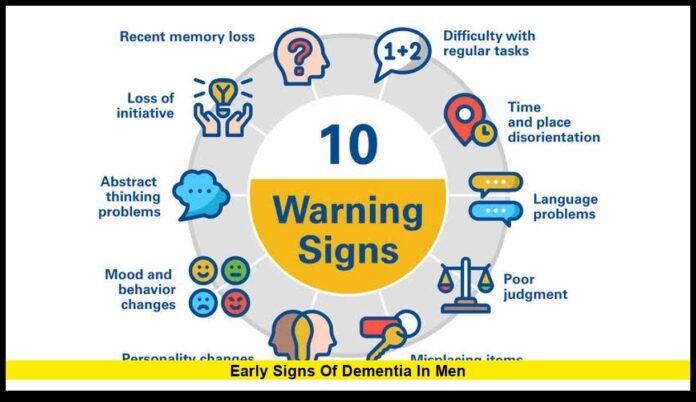

The early signs of dementia in men may appear gradually, sometimes beginning with small changes in memory, concentration, judgment, or everyday behavior. A man may forget recent conversations, struggle to organize his schedule, make unusual financial decisions, or become more frustrated with activities that once seemed simple. These changes can initially be blamed on stress, aging, poor sleep, or a busy lifestyle, making it difficult for families to recognize when something more serious may be happening.
Dementia describes a group of conditions that affect the brain’s ability to process information, remember experiences, communicate, reason, and carry out daily activities. Alzheimer’s disease is the most common cause, but dementia can also result from vascular disease, Lewy body disease, frontotemporal disorders, and other neurological conditions.
Although occasional forgetfulness can happen at any age, a continuing decline in cognitive abilities that interferes with independence should not be ignored. Identifying possible symptoms early may help men receive medical attention, understand their condition, and access appropriate treatment and support.
What Are the First Warning Signs of Dementia in Men?
Dementia does not begin with the same symptoms in everyone. Some men notice memory difficulties first, while others experience changes in personality, communication, planning, decision-making, or movement.
The key difference between ordinary forgetfulness and a potential dementia-related problem is the frequency, severity, and impact of the changes. When symptoms repeatedly interfere with familiar activities or continue to worsen, a medical evaluation may be appropriate.
Memory Loss That Becomes More Frequent
One of the earliest recognizable symptoms may be difficulty remembering recently learned information. A man may forget conversations, appointments, instructions, or events that happened only recently.
He may repeatedly ask the same question, forget important details, or have difficulty recalling information that family members believe he should remember.
Some men may begin relying heavily on calendars, notes, reminders, or other people to manage everyday responsibilities.
Occasional forgetfulness is common. Repeatedly forgetting recent information and struggling to recall it later may be more concerning.
Problems Handling Money and Financial Responsibilities
Financial difficulties can sometimes reveal cognitive changes before obvious memory problems become noticeable.
A man who has managed his finances for years may begin forgetting bill payments, making calculation errors, misunderstanding financial documents, or struggling to maintain a budget.
He may also make unusual purchases, become confused about banking activities, or have difficulty recognizing suspicious financial requests.
These changes can involve several cognitive skills, including memory, concentration, planning, reasoning, and judgment.
Difficulty Organizing Daily Activities
Planning and organization require the brain to process information, remember steps, make decisions, and adjust when circumstances change.
Dementia may interfere with these abilities. A man may have difficulty organizing a household project, preparing a meal involving several steps, planning a trip, completing paperwork, or managing his work schedule.
Tasks that previously required little effort may become confusing, frustrating, or time-consuming.
He may also struggle to complete activities when something unexpected happens because changing plans becomes more difficult.
Trouble Performing Familiar Tasks
Another potential warning sign is difficulty completing everyday activities that were once routine.
A man may forget how to operate a familiar appliance, struggle with tools he has used for decades, become confused while driving a regular route, or have difficulty following instructions at work.
The issue is not simply taking longer to complete an activity. More concerning changes involve forgetting how to perform a familiar task or becoming unable to complete it independently.
Confusion About Time, Places, and Directions
Some men experiencing cognitive decline may become confused about dates, locations, or their surroundings.
They may forget the day of the week, become uncertain about an appointment, struggle to remember where they are going, or lose their way in familiar areas.
Getting lost while driving to a regularly visited location or becoming confused in a familiar neighborhood may be particularly concerning.
Occasionally forgetting a date is not necessarily a warning sign. Persistent disorientation or difficulty navigating familiar places deserves attention.
Difficulty Communicating Clearly
Language and communication problems may develop early in certain forms of dementia.
A man may struggle to find words, lose track of conversations, use incorrect words, or have difficulty expressing his thoughts clearly.
He may also find it harder to understand complex conversations, follow instructions, or participate in discussions involving several people.
These communication difficulties can make social interactions uncomfortable and may cause him to withdraw from conversations.
Changes in Judgment and Decision-Making
Dementia may affect the ability to evaluate situations, understand risks, and make appropriate decisions.
A man may become more vulnerable to scams, make unusual financial decisions, ignore personal safety concerns, or behave in ways that are inconsistent with his previous habits.
He may also struggle to recognize when something requires attention, such as an unpaid bill, a household problem, or an important medical appointment.
Changes in judgment can affect both personal safety and independence.
Unusual Personality Changes
Personality changes may sometimes become noticeable before severe memory loss develops.
A man who was previously calm and patient may become irritable, impatient, suspicious, anxious, or emotionally unpredictable. Another person may become less motivated, more withdrawn, or less interested in family and friends.
Possible behavioral changes include increased frustration, unusual anger, impulsive decisions, reduced empathy, social withdrawal, or suspiciousness.
These changes do not automatically indicate dementia. Depression, anxiety, sleep problems, medications, and other health conditions may also affect personality and behavior.
Loss of Interest in Hobbies and Social Activities
A man may gradually stop participating in activities that once brought him enjoyment.
He might lose interest in sports, gardening, fishing, reading, social gatherings, clubs, or family activities.
Sometimes this happens because the activities have become difficult to follow, memory problems are causing embarrassment, or conversations are becoming challenging.
Reduced interest may also be associated with depression, physical illness, fatigue, or changes in personal circumstances.
Difficulty Understanding Visual Information
Some forms of dementia can affect visual perception and spatial awareness.
A man may have trouble judging distances, recognizing objects, finding items, understanding visual patterns, or navigating unfamiliar surroundings.
These problems may become noticeable while driving, parking, walking through crowded areas, reading, or using stairs.
Vision problems may also result from eye conditions, so a medical or eye examination may be necessary to determine the cause.
Repeatedly Losing Personal Belongings
Misplacing keys, glasses, a wallet, or a phone occasionally is common.
However, dementia-related problems may involve placing belongings in unusual locations and being unable to remember where they were put.
A man may repeatedly lose important items, forget where he left documents, or become convinced that someone has moved or stolen his belongings because he cannot recall where he placed them.
Changes in Sleep and Daily Routine
Sleep-related changes may occur in some people with dementia.
A man may begin sleeping more during the day, become restless at night, wake frequently, or have difficulty maintaining his usual sleep schedule.
Sleep disturbances can also result from sleep apnea, insomnia, depression, medication effects, and other medical conditions. Persistent changes in sleep should be discussed with a healthcare professional.
Walking and Balance Problems
Some dementia-related conditions can affect movement, balance, and coordination.
Possible symptoms include slower walking, shuffling, stiffness, difficulty maintaining balance, increased falls, or changes in coordination.
These symptoms may be more noticeable in certain neurological conditions, including dementia with Lewy bodies and vascular dementia.
Sudden weakness, difficulty speaking, facial drooping, or abrupt balance problems may indicate a stroke and require emergency medical attention.
Can Dementia Affect Men Differently?
The core symptoms of dementia can affect men and women similarly. Memory problems, communication difficulties, changes in reasoning, personality changes, and reduced independence may occur in either sex.
However, the symptoms that become noticeable first may depend on the person’s occupation, responsibilities, lifestyle, medical history, personality, and the type of dementia.
For example, a man who regularly manages finances may first notice difficulty handling bills or banking. Someone whose job involves planning or technical responsibilities may recognize problems with organizing information or completing familiar tasks.
There is no single symptom that confirms dementia specifically in men. What matters most is whether the person’s cognitive or behavioral abilities have noticeably declined from their previous level.
Why Early Symptoms May Be Misunderstood
Memory and thinking problems may sometimes be attributed to stress, retirement, work pressure, aging, or a lack of interest in social activities.
Some men may be reluctant to discuss memory difficulties or seek medical help. They may try to hide problems by avoiding challenging activities, depending on routines, or allowing others to handle responsibilities.
Recognizing persistent changes early can help determine whether the symptoms are associated with dementia, mild cognitive impairment, or another condition.
Different Types of Dementia and Their Symptoms
Dementia is not a single disease. Several conditions can cause cognitive decline, and their early symptoms may differ.
Alzheimer’s Disease
Alzheimer’s disease is the most common cause of dementia.
Early symptoms often include difficulty remembering recent conversations, events, appointments, or newly learned information.
Other possible symptoms include:
- Repeating questions.
- Trouble planning and organizing.
- Difficulty managing money.
- Word-finding problems.
- Poor judgment.
- Misplacing belongings.
- Confusion about dates and locations.
- Reduced interest in activities.
Alzheimer’s disease generally develops gradually, with symptoms becoming more noticeable over time.
Vascular Dementia
Vascular dementia is associated with damage to the brain’s blood vessels or reduced blood flow to brain tissue.
Early symptoms may involve slowed thinking, difficulty concentrating, problems planning, poor organization, and changes in judgment.
Memory problems may also occur, although they are not always the first symptom.
Symptoms may develop gradually or become noticeable after a stroke or another vascular event. The pattern depends partly on the location and extent of the brain damage.
Conditions such as high blood pressure, diabetes, and high cholesterol can contribute to vascular risk.
Dementia With Lewy Bodies
Dementia with Lewy bodies may affect thinking, attention, movement, sleep, mood, and perception.
Possible symptoms include fluctuating alertness, visual hallucinations, stiffness, slowed movement, balance problems, sleep disturbances, and confusion.
Some individuals may appear mentally clear at one time but become noticeably confused or drowsy at another.
Frontotemporal Dementia
Frontotemporal dementia, or FTD, may affect people at younger ages than many other types of dementia.
In some cases, the earliest symptoms involve personality, behavior, judgment, social awareness, or language rather than memory.
A man may become impulsive, socially inappropriate, emotionally withdrawn, less empathetic, or unusually focused on certain activities.
Language-related forms may cause difficulty understanding words, expressing thoughts, or communicating effectively.
Because these symptoms can appear while a person is still working or raising a family, they may be mistaken for stress, depression, relationship problems, or a personality change.
Mixed Dementia
Some individuals have more than one condition contributing to cognitive decline.
Alzheimer’s disease and vascular brain changes, for example, may occur together.
When multiple causes are present, symptoms may not follow a single pattern. Memory, attention, reasoning, movement, and behavior may be affected in different ways.
Normal Aging or Possible Dementia?
Not every memory problem means a person has dementia. Some changes in memory and processing speed are common with aging.
However, dementia involves more significant cognitive difficulties that interfere with everyday functioning.
| Normal aging | Possible dementia-related changes |
|---|---|
| Occasionally forgetting a name but remembering it later | Frequently forgetting important names or recent conversations |
| Misplacing keys occasionally and retracing steps | Losing items repeatedly and being unable to retrace steps |
| Taking longer to learn something new | Difficulty learning or remembering information that affects daily activities |
| Forgetting an appointment occasionally | Repeatedly missing appointments or forgetting important events |
| Sometimes struggling to find a word | Regularly losing track of conversations or using incorrect words |
| Making an occasional financial mistake | Repeated difficulty managing bills or financial decisions |
| Forgetting the day but figuring it out later | Becoming confused about time, location, or familiar surroundings |
| Feeling distracted after a busy day | Persistent cognitive problems that continue or worsen over time |
The distinction is not always obvious. A healthcare professional can evaluate whether changes are consistent with normal aging, mild cognitive impairment, dementia, or another medical condition.
What Is Mild Cognitive Impairment?
Mild cognitive impairment, commonly called MCI, describes cognitive changes that are greater than expected for a person’s age but do not significantly interfere with independent daily functioning.
A man with MCI may experience more frequent memory problems, difficulty remembering conversations, trouble finding words, problems organizing activities, frequently misplacing items, or difficulty concentrating.
People with MCI may still manage their daily activities independently.
Some individuals with MCI eventually develop dementia, while others remain stable for years or may improve depending on the underlying cause.
MCI is not automatically dementia. A diagnosis of MCI also does not mean that a person will definitely develop Alzheimer’s disease.
When Should a Man Seek Medical Attention?
A medical appointment is recommended when memory, thinking, behavior, or everyday functioning changes persist, become more frequent, or interfere with activities.
A man should consider arranging an evaluation if he experiences:
- Increasing difficulty remembering recent information.
- Repeated questions.
- Problems managing money or household responsibilities.
- Confusion while performing familiar tasks.
- Difficulty following conversations.
- Unexplained personality or behavioral changes.
- Getting lost in familiar places.
- Declining work performance.
- Increasing difficulty making decisions.
- Family members expressing concern about cognitive changes.
A spouse, partner, relative, or close friend may be helpful during the appointment because someone who regularly interacts with the man may notice changes that he has not recognized himself.
Symptoms That Require Emergency Care
Dementia usually develops gradually, although some conditions may progress differently. Sudden confusion or an abrupt change in mental status should not automatically be assumed to be dementia.
Emergency medical care is necessary if a man suddenly develops symptoms such as:
- Difficulty speaking or understanding speech.
- Facial drooping.
- Sudden weakness or numbness, particularly on one side.
- Sudden severe confusion.
- Sudden difficulty walking or maintaining balance.
- A severe, unusual headache.
- Sudden vision problems.
These symptoms may indicate a stroke or another medical emergency.
Sudden confusion can also occur because of infections, dehydration, medication reactions, or other acute medical problems. Prompt medical assessment is important.
How Dementia Is Diagnosed
There is no single test that diagnoses every type of dementia. Doctors generally use several methods to determine the cause of cognitive symptoms.
Medical History
A healthcare professional may ask when memory or behavioral changes first appeared, whether symptoms are worsening, which activities have become difficult, medical conditions, previous strokes, current medications, alcohol use, sleep quality, family history of dementia, previous head injuries, and changes in mood or personality.
Family members may help describe changes in the man’s abilities over time.
Cognitive Assessments
Brief cognitive tests may evaluate memory, attention, language, orientation, problem-solving, executive function, and visual and spatial abilities.
These tests can help identify areas of difficulty but do not independently establish the cause of symptoms.
Physical and Neurological Examination
The examination may include strength, coordination, balance, reflexes, movement, and other neurological functions.
These findings can help doctors identify conditions that may affect cognition, including stroke-related problems, movement disorders, or other neurological conditions.
Blood Tests
Laboratory testing may help identify other causes of memory and thinking problems.
Depending on the person’s symptoms and medical history, tests may evaluate thyroid function, vitamin levels, metabolic abnormalities, or other conditions.
Some medical problems can cause cognitive symptoms that may improve when the underlying condition is treated.
Brain Imaging
Doctors may recommend brain imaging, such as MRI or CT scans, to look for structural changes, strokes, tumors, or other abnormalities.
In selected situations, additional testing may help investigate Alzheimer’s disease or other specific neurological conditions.
The goal of diagnosis is to determine what is causing the symptoms and whether they are consistent with dementia or another medical condition.
Health Conditions That Can Resemble Dementia
Several medical conditions may cause symptoms similar to dementia.
Depression
Depression can affect concentration, motivation, memory, sleep, and decision-making.
Some people may feel mentally slowed down or unable to focus. Depression and dementia can also occur together, making careful assessment important.
Sleep Disorders
Poor sleep, insomnia, and sleep apnea can affect memory, attention, mood, and daytime alertness.
A man who consistently sleeps poorly may experience cognitive difficulties that deserve investigation.
Medication Effects
Certain medications can cause confusion, drowsiness, memory problems, or reduced concentration.
The effects may be more noticeable when multiple medications are used. A doctor should review medications when cognitive changes appear, and patients should not stop prescription medication without medical guidance.
Thyroid Problems and Vitamin Deficiencies
Certain thyroid disorders and nutritional deficiencies may contribute to cognitive symptoms.
Testing may help identify conditions that can sometimes be treated.
Infections and Other Medical Problems
Infections, dehydration, metabolic problems, and other medical illnesses may cause confusion or changes in mental functioning.
Sudden or severe changes require prompt medical evaluation.
Can Men Reduce Their Risk of Dementia?
There is no guaranteed way to prevent every type of dementia. However, addressing certain health and lifestyle factors may help protect brain health and potentially lower or delay the risk of cognitive decline.
Keep Blood Pressure Under Control
High blood pressure can damage blood vessels and increase the risk of stroke and vascular-related brain problems.
Regular blood pressure monitoring and appropriate treatment can support cardiovascular and brain health.
Manage Diabetes and Cholesterol
Diabetes and high cholesterol can contribute to vascular disease.
Managing these conditions through medical care, lifestyle measures, and prescribed treatment may help reduce risks associated with blood vessel damage.
Exercise Regularly
Physical activity supports cardiovascular health, mobility, and overall well-being.
Walking, cycling, swimming, strength training, or other activities appropriate for a person’s age and health may be beneficial.
The best exercise plan depends on individual medical conditions and physical abilities.
Avoid Smoking
Smoking damages blood vessels and increases the risk of several serious health conditions.
Quitting smoking can benefit cardiovascular health and may help reduce some dementia-related risk factors.
Limit Excessive Alcohol
Excessive alcohol consumption can affect brain health, sleep, balance, and overall medical well-being.
Men who drink heavily should discuss alcohol use with a healthcare professional, particularly if they experience memory problems or changes in behavior.
Eat a Balanced Diet
A balanced eating pattern that includes vegetables, fruits, whole grains, healthy fats, and appropriate sources of protein can support overall health.
A heart-healthy diet may also help manage conditions that affect blood vessels and brain health.
Remain Mentally and Socially Active
Maintaining social connections and participating in meaningful activities may support cognitive and emotional well-being.
Activities may include reading, learning new skills, hobbies, volunteering, conversations with friends, playing games, and participating in community activities.
Address Hearing and Vision Problems
Hearing and vision problems can affect communication, social engagement, and daily functioning.
Appropriate examinations and treatment may help maintain independence and improve quality of life.
Prevent Head Injuries
Protective equipment, seat belts, fall prevention, and safe practices during sports and physical activities can help reduce the risk of head injuries.
Brain injuries may contribute to long-term neurological problems depending on their severity and circumstances.
Treatment Options for Men With Dementia
Treatment depends on the underlying diagnosis, symptoms, stage of the condition, and overall health.
Although most types of dementia do not currently have a cure, treatments and support strategies may help manage symptoms, preserve function for a period, and improve quality of life.
Medications for Alzheimer’s Disease
Certain medications may help some people with Alzheimer’s disease manage symptoms related to memory and thinking.
Other treatments specifically target amyloid-related disease processes and may be appropriate for selected patients with early Alzheimer’s disease after careful medical assessment.
Treatment eligibility, benefits, risks, monitoring requirements, and availability depend on the individual situation.
Managing Vascular Dementia
Treatment may focus on reducing further vascular damage and managing conditions such as high blood pressure, diabetes, and high cholesterol.
Preventing strokes and addressing vascular risk factors can be important parts of care.
Managing Behavioral Symptoms
Dementia may cause anxiety, agitation, depression, irritability, sleep problems, or other behavioral changes.
Doctors may recommend establishing predictable routines, reducing unnecessary stress, identifying triggers for agitation, supporting regular sleep, encouraging safe physical activity, maintaining social connections, adjusting the environment, and reviewing medications.
Medication may sometimes be considered for specific symptoms, but treatment decisions require individualized medical evaluation.
Support for Daily Activities
As symptoms change, men may benefit from assistance with household responsibilities, transportation, medication organization, finances, and personal care.
Support can be adjusted gradually. The goal is to preserve independence wherever possible while maintaining safety.
How Families Can Support Men Experiencing Cognitive Changes
Family members, spouses, partners, and close friends often play an important role in recognizing early symptoms.
Instead of immediately confronting someone with the word dementia, it may be more helpful to describe specific observations in a calm and supportive way.
For example, a family member might say, “I’ve noticed you’ve been having more difficulty remembering appointments lately. Would you be willing to discuss it with your doctor?”
Document Changes
Recording specific examples may help a doctor understand the situation more clearly.
Family members may want to note when memory problems first appeared, examples of repeated questions, changes in financial management, difficulty with familiar tasks, behavioral or personality changes, problems with driving or navigation, sleep changes, and whether symptoms appear to be worsening.
Keeping a record can help distinguish occasional mistakes from a consistent pattern.
Encourage a Medical Appointment
A supportive approach may help reduce fear or embarrassment.
Emphasize that memory and thinking changes can have several causes and that an evaluation may help identify treatable problems.
The goal should be to obtain an accurate assessment rather than assume the person has dementia.
Maintain Independence and Safety
Early cognitive changes do not automatically mean a man needs constant supervision. Many people continue living independently during the early stages.
However, families may need to pay attention to potentially dangerous situations involving driving, medication use, cooking, financial decisions, or wandering.
Safety measures should be introduced thoughtfully and according to the person’s abilities.
Communicate With Patience
When a man forgets information or becomes confused, repeatedly correcting him or arguing may increase frustration.
Calm communication, reassurance, simple explanations, and patience may be more effective.
If a situation becomes stressful, changing the subject or taking a break may help.
Latest Developments in Dementia Research and Care
Dementia research continues to focus on earlier and more accurate diagnosis, understanding the biological processes involved in different diseases, developing treatments, and improving support for patients and caregivers.
Research into Alzheimer’s disease includes biomarkers that may help identify biological changes associated with the disease. Some diagnostic approaches are becoming more useful in selected clinical situations, but testing decisions depend on a patient’s symptoms, medical history, and clinical evaluation.
Researchers are also investigating treatments that may slow disease progression in certain people with Alzheimer’s disease, along with approaches to manage symptoms and improve quality of life.
For men experiencing possible early dementia symptoms, obtaining a professional assessment remains an important step rather than waiting for symptoms to become severe.
Early evaluation may help identify the condition, determine whether other causes are contributing, and provide access to appropriate treatment, planning, and support.
Frequently Asked Questions About Dementia in Men
What are the first signs of dementia in men?
The first signs may include frequent memory problems, difficulty managing finances, trouble planning, confusion about familiar places, changes in judgment, difficulty finding words, reduced interest in hobbies, or unusual personality changes. Symptoms vary depending on the type of dementia.
Can dementia begin with personality changes?
Yes. Some types of dementia, particularly frontotemporal dementia, may initially cause personality, behavior, social, or language changes rather than prominent memory loss.
At what age can men develop dementia?
Dementia is more common as people get older, but it can also affect younger adults. Some forms may begin before age 65, and rare cases can develop at much younger ages.
Is forgetting names always a sign of dementia?
No. Occasionally forgetting a name is common and may be a normal age-related change. Repeatedly forgetting important information, struggling to remember recent conversations, or experiencing memory problems that interfere with daily life may warrant medical evaluation.
Can irritability be an early dementia symptom?
Irritability may occur in dementia, but it is not specific to the condition. Stress, depression, anxiety, sleep problems, medications, and other medical conditions can also cause irritability.
Can a man with dementia live independently?
Many men with early-stage dementia can continue living independently, particularly when they have support and appropriate safety measures. As the condition progresses, additional help may become necessary.
Does dementia always progress?
Many forms of dementia are progressive, meaning symptoms generally worsen over time. However, the rate of progression varies considerably. Some conditions that resemble dementia may be treatable, which is why diagnosis is important.
Can dementia occur without memory loss?
Yes. Some types of dementia initially affect planning, judgment, language, attention, personality, behavior, or movement rather than memory. Memory loss is common but is not the only possible early symptom.
What is the difference between dementia and Alzheimer’s disease?
Dementia is a general term describing cognitive decline that interferes with everyday life. Alzheimer’s disease is a specific brain disease and the most common cause of dementia.
Should a man see a doctor if family members notice memory problems?
Yes. Persistent memory problems or other changes in thinking, behavior, or daily functioning should be discussed with a healthcare professional. Family observations can provide valuable information during the evaluation.
Can lifestyle changes help lower dementia risk?
Healthy lifestyle habits may help lower or delay the risk of some forms of cognitive decline. Managing blood pressure, diabetes, and cholesterol, avoiding smoking, limiting excessive alcohol, exercising, eating a balanced diet, staying socially engaged, and addressing hearing and vision problems may support overall brain health.
Final Thoughts
The early signs of dementia in men may be subtle, and they can initially resemble normal aging, stress, fatigue, or changes associated with retirement. Persistent memory problems, difficulty managing finances, poor judgment, confusion, language difficulties, personality changes, and reduced ability to perform familiar activities should not be ignored when they represent a noticeable decline from previous functioning.
Not every cognitive change means dementia. Depression, sleep problems, medication effects, vitamin deficiencies, thyroid disorders, infections, and other medical conditions may also cause symptoms that resemble cognitive decline.
An early medical evaluation can help determine what is causing the changes and whether treatment, monitoring, or additional support is needed. Recognizing warning signs, maintaining healthy habits, and seeking professional advice when concerns arise can help men and their families make informed decisions about their health and future.
Have you noticed changes in memory, behavior, or thinking in yourself or someone close to you? Share your thoughts in the comments and stay updated for more helpful health information.
Meta Description
Learn the early signs of dementia in men, including memory loss, personality changes, confusion, diagnosis, treatment, and when to seek help.
Tags
early signs of dementia in men, dementia symptoms in men, memory loss in men, early dementia symptoms, Alzheimer’s symptoms, dementia warning signs, cognitive decline, men’s brain health, dementia diagnosis, dementia prevention,
ikwembu
Early Signs of Dementia in Men: How to Recognize Changes in Memory, Behavior, and Thinking
The early signs of dementia in men are not always easy to recognize. In the beginning, changes may be subtle, such as forgetting recent conversations, struggling with familiar responsibilities, making unusual decisions, or becoming more impatient than usual. These symptoms may initially be blamed on stress, aging, retirement, or lack of sleep. However, when changes in memory, reasoning, personality, or everyday functioning become persistent, they may indicate an underlying cognitive problem that deserves attention.
Dementia is a condition involving a decline in cognitive abilities that affects a person’s ability to manage everyday life. It can interfere with memory, communication, judgment, concentration, problem-solving, and independence. Alzheimer’s disease is the most common cause, although other neurological conditions can also lead to dementia.
Not every memory problem means dementia. Some symptoms may be related to medication effects, depression, sleep disorders, vitamin deficiencies, thyroid problems, or other medical conditions. Understanding the possible warning signs can help men and their families recognize when professional evaluation may be necessary.
Recognizing the Early Warning Signs
Dementia may affect different people in different ways. Some men initially experience memory loss, while others notice problems with decision-making, organization, language, personality, or movement.
The most important indicator is a noticeable change from a person’s previous abilities that continues over time or begins affecting daily activities.
1. Forgetting Recent Conversations and Events
One of the most common early symptoms is difficulty remembering recently learned information. A man may forget conversations that took place earlier in the day, fail to remember appointments, or repeatedly ask questions that have already been answered.
He may also struggle to recall instructions, important dates, or details about recent events.
As memory difficulties become more noticeable, he may rely increasingly on reminders, calendars, notes, or family members to keep track of responsibilities.
Occasional forgetfulness is normal, but repeatedly losing track of recent information may be a reason to seek medical advice.
2. Difficulty Keeping Track of Finances
Financial responsibilities can become challenging when cognitive abilities begin changing.
A man who previously managed household finances successfully may start forgetting payments, making calculation mistakes, becoming confused by statements, or struggling to organize his expenses.
Other changes may include difficulty using banking services, making unusual purchases, forgetting financial commitments, or failing to recognize suspicious requests for money.
These problems may be related to changes in memory, attention, reasoning, or judgment.
3. Problems With Planning and Organization
Planning requires the brain to organize information, remember steps, make decisions, and respond to unexpected situations.
A man experiencing cognitive decline may struggle with activities that require several steps. He may find it difficult to prepare a meal, organize a household project, plan a trip, complete paperwork, or manage his schedule.
He may become frustrated when tasks take longer than expected or when he has to adjust plans.
Problems with organization and planning can sometimes become noticeable before significant memory loss develops.
4. Struggling With Activities He Previously Knew Well
Dementia may affect the ability to perform familiar activities.
A man may have difficulty using household appliances, following a familiar route, completing work-related tasks, operating tools, or remembering how to perform routine activities.
He may appear confused while completing something he has done for many years.
This type of change can be particularly concerning when the person previously performed the activity confidently and independently.
5. Becoming Confused About Familiar Locations
Changes in orientation may cause a man to become confused about where he is, where he is going, or how to reach a familiar destination.
He may have trouble driving to a regular store, become lost in his neighborhood, forget the location of a familiar building, or struggle to remember how he arrived somewhere.
Confusion about dates and the passage of time may also occur.
Getting lost in a familiar place or repeatedly becoming confused about locations should be taken seriously, especially if the problem is new.
6. Difficulty Finding the Right Words
Communication problems may develop as dementia affects language-related areas of the brain.
A man may struggle to remember the names of objects, pause frequently while speaking, lose track of his thoughts, or use words that do not fit the conversation.
He may find it difficult to follow discussions, understand instructions, or explain what he wants to say.
These challenges may cause embarrassment or frustration, leading some men to avoid social conversations.
7. Changes in Judgment
Cognitive decline may affect a person’s ability to make reasonable decisions and recognize risks.
A man may make financial choices that seem unusual, become more vulnerable to scams, ignore safety concerns, or behave in ways that are inconsistent with his previous habits.
He may also have difficulty recognizing when a household issue needs attention or when he should seek medical help.
Changes in judgment can create safety concerns even when memory problems appear relatively mild.
8. Becoming More Irritable or Emotionally Sensitive
Changes in personality and emotional responses may occur during the early stages of dementia.
A man who was previously relaxed may become impatient, angry, anxious, suspicious, or unusually sensitive. He may react strongly to small problems or become frustrated when someone corrects him.
Other men may become quieter, less motivated, or emotionally distant.
These symptoms can also occur because of depression, anxiety, sleep difficulties, medication effects, or other health conditions. They should not automatically be attributed to dementia.
9. Withdrawing From Friends and Family
Social withdrawal may be another early change.
A man may stop attending gatherings, avoid hobbies, become less interested in sports or recreational activities, or spend more time alone.
Sometimes social activities become difficult because he cannot follow conversations or remember details. He may feel embarrassed about mistakes and prefer to avoid situations where others could notice his difficulties.
Reduced social participation can also be associated with depression, physical illness, or fatigue.
10. Difficulty Understanding What He Sees
Some types of dementia may affect visual processing and spatial awareness.
A man may have trouble judging distances, recognizing objects, locating items, navigating unfamiliar places, or understanding how objects are positioned.
These difficulties may affect driving, parking, reading, walking through crowded spaces, or using stairs.
Because vision problems can also result from eye conditions, a proper examination may help determine the cause.
11. Losing Belongings More Often
Misplacing everyday objects is common, but repeated problems may become more concerning.
A man may put his keys in an unusual location, lose his wallet frequently, forget where he placed important documents, or struggle to retrace his steps.
He may become frustrated and believe someone has moved his belongings because he cannot remember where he put them.
The frequency of these incidents and whether they interfere with daily life are important considerations.
12. Sleeping at Different Times
Changes in sleep may occur in some individuals experiencing dementia.
A man may begin sleeping during the day, become restless at night, wake frequently, or have difficulty following his normal sleep schedule.
Sleep changes are not specific to dementia and may also be caused by insomnia, sleep apnea, depression, medications, or other medical conditions.
13. Changes in Walking or Coordination
Certain neurological conditions associated with dementia can affect movement.
A man may walk more slowly, develop a shuffling gait, experience stiffness, have difficulty maintaining balance, or become more prone to falls.
Movement symptoms may occur in some types of dementia, including dementia with Lewy bodies and vascular dementia.
Sudden movement problems, weakness, difficulty speaking, or abrupt loss of balance may indicate a medical emergency such as a stroke.
Are Dementia Symptoms Different in Men?
The main symptoms of dementia can occur in both men and women. Memory loss, communication difficulties, changes in judgment, personality changes, and problems with everyday activities are not exclusive to either sex.
However, the first symptoms noticed may depend on the person’s lifestyle, responsibilities, occupation, health history, and the type of dementia.
For example, a man who regularly handles financial responsibilities may notice difficulty managing accounts. Someone who works in a technical or planning-related occupation may recognize problems with organization or completing familiar tasks.
There is no single symptom that establishes dementia specifically in men. A noticeable decline from previous functioning is more important than the person’s sex.
Why Some Men May Hide Their Symptoms
Some men may be reluctant to acknowledge memory or thinking problems. They may feel embarrassed, worry about losing independence, or assume that the changes are simply part of getting older.
They may compensate by avoiding complicated activities, relying on routines, or allowing family members to take over certain responsibilities.
These strategies can sometimes make early symptoms less obvious. When family members notice persistent changes, encouraging a medical evaluation may be helpful.
Different Types of Dementia and How They May Begin
Dementia can result from different neurological conditions. The early symptoms may vary depending on the cause.
Alzheimer’s Disease
Alzheimer’s disease is the most common cause of dementia.
The condition often begins with memory difficulties involving recent information. A man may forget conversations, appointments, events, or instructions.
Other symptoms may include difficulty planning, problems managing money, confusion about dates, word-finding difficulties, poor judgment, and losing belongings.
Alzheimer’s disease usually develops gradually, with symptoms becoming more noticeable over time.
Vascular Dementia
Vascular dementia is associated with damage to the brain’s blood vessels or problems with blood flow.
Symptoms may include slowed thinking, difficulty concentrating, poor planning, problems organizing information, changes in judgment, and memory difficulties.
Some symptoms may appear after a stroke or another vascular event, while others may develop gradually.
Conditions such as diabetes, high blood pressure, and high cholesterol can contribute to vascular problems affecting the brain.
Dementia With Lewy Bodies
Dementia with Lewy bodies can affect thinking, attention, movement, sleep, mood, and perception.
Possible symptoms include visual hallucinations, fluctuating alertness, movement changes, stiffness, balance problems, sleep disturbances, and confusion.
A person’s level of attention may vary significantly throughout the day.
Frontotemporal Dementia
Frontotemporal dementia may affect people at younger ages than many other forms of dementia.
Some individuals initially experience changes in personality, behavior, language, or social awareness rather than memory problems.
A man may become impulsive, less empathetic, emotionally withdrawn, unusually focused on certain activities, or socially inappropriate.
Language-related symptoms may involve difficulty understanding words, expressing thoughts, or communicating.
Mixed Dementia
Some people have more than one underlying condition affecting the brain.
Alzheimer’s disease and vascular changes may occur together, producing a combination of symptoms.
When multiple conditions contribute to cognitive decline, the symptoms may not follow a single recognizable pattern.
How to Tell Normal Aging From Possible Dementia
Some memory changes are common as people get older. However, dementia involves more significant cognitive difficulties that interfere with daily life.
| Normal aging | Possible dementia |
|---|---|
| Occasionally forgetting a name | Frequently forgetting important names or conversations |
| Misplacing an object and finding it later | Repeatedly losing belongings and being unable to retrace steps |
| Taking longer to learn something | Difficulty remembering information that affects everyday activities |
| Forgetting an appointment occasionally | Frequently missing appointments or forgetting important events |
| Sometimes struggling to find a word | Regularly losing track of conversations |
| Making an occasional financial mistake | Repeated difficulty managing bills or money |
| Forgetting the day but figuring it out later | Becoming confused about time or familiar places |
| Feeling distracted after a busy day | Persistent cognitive difficulties that continue or worsen |
A healthcare professional can evaluate whether symptoms are related to normal aging, mild cognitive impairment, dementia, or another medical condition.
What Is Mild Cognitive Impairment?
Mild cognitive impairment, or MCI, involves cognitive changes that are greater than expected for a person’s age but do not significantly interfere with independent daily functioning.
A man with MCI may notice more frequent memory problems, difficulty concentrating, trouble finding words, problems organizing activities, or repeated difficulty remembering conversations.
Many people with MCI continue managing their daily responsibilities independently.
Some individuals may eventually develop dementia, while others remain stable for years or may improve depending on the underlying cause.
MCI is not the same as dementia, and it does not automatically mean that Alzheimer’s disease will develop.
When Should Men Get Checked by a Doctor?
Persistent changes in memory, thinking, behavior, or everyday functioning should be discussed with a healthcare professional.
An evaluation may be appropriate when a man:
- Frequently forgets recent information.
- Repeatedly asks the same questions.
- Has difficulty managing finances.
- Becomes confused during familiar activities.
- Struggles to follow conversations.
- Develops unexplained personality changes.
- Gets lost in familiar places.
- Experiences declining performance at work.
- Has increasing difficulty making decisions.
- Receives repeated concerns from family members.
A spouse, partner, or close relative may be helpful during the appointment because they can describe changes that the man may not recognize himself.
When to Seek Emergency Medical Help
Dementia symptoms generally develop gradually. Sudden confusion or an abrupt change in mental functioning should not automatically be assumed to be dementia.
Seek emergency help if someone suddenly develops facial drooping, weakness on one side, difficulty speaking, severe confusion, sudden balance problems, sudden vision changes, or a severe unusual headache.
These symptoms may indicate a stroke or another medical emergency.
Sudden confusion may also occur because of infections, dehydration, medication reactions, or other acute medical problems.
How Doctors Evaluate Possible Dementia
Dementia diagnosis generally involves several types of assessment rather than a single test.
Medical History and Symptom Review
Doctors may ask about the timing of symptoms, whether they are progressing, which activities have become difficult, previous medical conditions, medication use, alcohol consumption, sleep quality, family history, and previous head injuries.
They may also ask about changes in mood, behavior, personality, and daily functioning.
Cognitive Testing
Cognitive assessments may examine memory, attention, language, orientation, problem-solving, executive function, and visual and spatial abilities.
These assessments help identify areas where difficulties may exist but do not independently determine the cause.
Neurological Examination
A neurological examination may evaluate movement, strength, coordination, reflexes, balance, and other functions.
The results may help identify conditions affecting the brain or nervous system.
Laboratory Testing
Blood tests may be recommended to look for medical conditions that could contribute to cognitive symptoms.
Depending on the situation, testing may include thyroid function, vitamin levels, metabolic abnormalities, or other relevant conditions.
Brain Imaging
MRI or CT imaging may be recommended to look for structural changes, strokes, tumors, or other abnormalities.
Additional testing may be considered in selected situations to investigate specific neurological conditions.
The goal is to identify the underlying cause of symptoms rather than simply label the person as having memory problems.
Other Conditions That May Cause Similar Symptoms
Several medical problems may produce symptoms that resemble dementia.
Depression
Depression may affect memory, concentration, motivation, sleep, and decision-making.
Some people may feel mentally slowed down or have difficulty focusing. Depression may also occur alongside dementia.
Sleep Disorders
Insomnia, sleep apnea, and other sleep problems can affect attention, memory, mood, and daytime functioning.
Persistent sleep difficulties may contribute to cognitive problems and should be evaluated when appropriate.
Medication Side Effects
Certain medications may cause confusion, drowsiness, memory difficulties, or reduced concentration.
Medication review may be useful when cognitive changes appear, particularly when a person takes several prescription or over-the-counter medications.
Prescription medications should not be stopped without medical advice.
Thyroid Conditions and Nutritional Deficiencies
Certain thyroid problems and vitamin deficiencies may contribute to memory or thinking difficulties.
Testing may help identify conditions that can sometimes be treated.
Infections and Other Medical Problems
Infections, dehydration, metabolic conditions, and other illnesses may cause confusion or changes in mental functioning.
Sudden symptoms require prompt medical attention.
Can Men Lower Their Risk of Dementia?
There is no guaranteed method of preventing every type of dementia. However, certain health and lifestyle habits may support brain health and potentially lower or delay the risk of cognitive decline.
Maintain Healthy Blood Pressure
High blood pressure can damage blood vessels and increase the risk of stroke and vascular-related brain problems.
Regular monitoring and appropriate treatment may support cardiovascular and brain health.
Manage Diabetes and Cholesterol
Diabetes and high cholesterol can contribute to vascular disease.
Managing these conditions with medical care, prescribed treatments, and healthy lifestyle habits may help reduce vascular risks.
Stay Physically Active
Regular physical activity supports cardiovascular health, mobility, and overall well-being.
Walking, cycling, swimming, strength training, and other suitable activities may be beneficial depending on a person’s age, health, and physical abilities.
Avoid Smoking
Smoking damages blood vessels and increases the risk of serious health problems.
Quitting smoking can improve cardiovascular health and may help reduce certain dementia-related risk factors.
Limit Excessive Alcohol Consumption
Heavy alcohol use can affect brain health, sleep, balance, and overall medical well-being.
Men who drink heavily should consider discussing alcohol use with a healthcare professional.
Eat Nutritious Foods
A balanced diet containing vegetables, fruits, whole grains, healthy fats, and appropriate protein sources supports general health.
A heart-healthy eating pattern may also help manage conditions that affect blood vessels and brain health.
Keep the Brain Active
Reading, learning new skills, playing games, participating in hobbies, and engaging in meaningful activities may support cognitive and emotional well-being.
Maintain Social Connections
Regular social interaction may help support emotional health and reduce isolation.
Spending time with friends, family, community groups, or participating in activities can help maintain meaningful connections.
Address Hearing and Vision Problems
Hearing and vision difficulties may interfere with communication and daily activities.
Appropriate examinations and treatment may help maintain independence and quality of life.
Reduce the Risk of Head Injuries
Using protective equipment, seat belts, preventing falls, and following safe practices during sports and other activities can help reduce head injury risk.
Treatment and Support for Men With Dementia
Treatment depends on the type of dementia, symptoms, stage of the condition, and the person’s overall health.
Although most forms of dementia do not currently have a cure, medical treatments and support strategies may help manage symptoms and improve quality of life.
Alzheimer’s Disease Treatments
Certain medications may help some people manage symptoms involving memory and thinking.
Some newer treatments target specific biological processes associated with Alzheimer’s disease and may be appropriate for selected individuals with early disease following careful medical assessment.
Treatment decisions depend on eligibility, potential benefits, risks, monitoring, and individual circumstances.
Managing Vascular Risk Factors
For vascular dementia, treatment may focus on reducing further damage to blood vessels and managing conditions such as hypertension, diabetes, and high cholesterol.
Preventing additional strokes and addressing vascular risk factors may be important parts of care.
Managing Emotional and Behavioral Changes
Dementia may cause agitation, anxiety, depression, irritability, sleep problems, or other behavioral changes.
Supportive approaches may include predictable routines, reducing stress, identifying triggers, encouraging physical activity, supporting sleep, maintaining social engagement, adjusting the environment, and reviewing medications.
Medication may sometimes be considered for specific symptoms, but treatment should be individualized.
Supporting Everyday Independence
As cognitive abilities change, a man may benefit from assistance with transportation, medication organization, finances, household tasks, and personal care.
Support should be adjusted according to the person’s needs, with an emphasis on preserving independence while maintaining safety.
How Families Can Help Recognize and Manage Symptoms
Family members and close friends may be among the first people to notice cognitive changes.
A calm and supportive approach can make it easier for a man to discuss concerns and seek medical help.
Record Specific Changes
Keeping a record may help the healthcare professional understand the pattern of symptoms.
Family members can note when changes first appeared, examples of repeated questions, problems managing money, difficulty completing familiar tasks, behavioral changes, problems with driving, sleep changes, and whether symptoms are worsening.
Encourage Medical Evaluation
Rather than making assumptions, family members can explain that memory and thinking problems may have several causes and that a medical evaluation could help identify the reason.
A supportive conversation may be more effective than confronting the person with a diagnosis they have not received.
Monitor Safety Concerns
Early dementia does not automatically mean a man needs constant supervision.
However, families may need to consider safety involving driving, medication use, cooking, financial decisions, and wandering.
Safety measures should be based on the person’s abilities and introduced carefully.
Communicate With Understanding
Repeatedly correcting someone or arguing about forgotten information may increase frustration.
Simple explanations, reassurance, patience, and calm communication may help. When a conversation becomes stressful, taking a break or redirecting attention may be useful.
Current Research and Developments in Dementia Care
Dementia research continues to explore earlier diagnosis, biological markers, treatments, disease mechanisms, and better support for patients and caregivers.
Research into Alzheimer’s disease includes biomarkers that may help identify disease-related changes. Some testing approaches may assist diagnosis in selected clinical situations, but the appropriate use of testing depends on symptoms, medical history, and professional assessment.
Researchers are also studying treatments that may slow disease progression in certain individuals with Alzheimer’s disease and approaches that may improve symptom management and quality of life.
For men experiencing possible early dementia symptoms, seeking medical assessment remains important. Waiting until symptoms become severe may delay diagnosis, planning, and access to appropriate care.
Frequently Asked Questions
What are the earliest signs of dementia in men?
Early symptoms may include frequent memory problems, difficulty managing finances, trouble planning, confusion about familiar locations, changes in judgment, difficulty finding words, reduced interest in hobbies, or unusual personality changes.
Can dementia start with personality changes?
Yes. Some forms of dementia, particularly frontotemporal dementia, may initially affect personality, behavior, social awareness, or language rather than memory.
Can men develop dementia before age 65?
Yes. Dementia can affect younger adults, although it becomes more common with age. Some forms may develop before age 65.
Does forgetting names mean a man has dementia?
Not necessarily. Occasionally forgetting names is common. Repeated memory problems that interfere with everyday activities may require medical evaluation.
Can irritability be an early warning sign?
Irritability may occur in dementia but can also be associated with stress, depression, anxiety, sleep problems, medications, and other medical conditions.
Can a man with dementia continue living alone?
Some men with early-stage dementia may continue living independently with appropriate support and safety measures. As symptoms progress, additional assistance may be needed.
Is dementia always progressive?
Many forms of dementia progress over time, but the rate varies. Some conditions that resemble dementia may be treatable, making proper diagnosis important.
Can dementia affect someone who does not have memory loss?
Yes. Some forms initially affect language, judgment, attention, personality, behavior, or movement. Memory loss is common but is not the only possible symptom.
What is the difference between dementia and Alzheimer’s disease?
Dementia is a general term for cognitive decline that interferes with everyday life. Alzheimer’s disease is a specific brain disease and the most common cause of dementia.
When should family members seek medical advice?
Medical evaluation is recommended when memory, thinking, behavior, or daily functioning changes persist, become more frequent, or interfere with activities. Sudden confusion or neurological symptoms require urgent medical attention.
Final Thoughts
Dementia may begin with small changes that are easy to overlook. Forgetting recent conversations, struggling with financial responsibilities, making unusual decisions, becoming confused in familiar places, losing interest in activities, or experiencing personality changes may be warning signs when they persist and interfere with everyday life.
However, cognitive changes do not always mean dementia. Depression, sleep problems, medication effects, thyroid conditions, nutritional deficiencies, infections, and other medical problems can produce similar symptoms.
The most important step is to recognize persistent changes and seek an appropriate medical evaluation. Early assessment may help identify the underlying cause, provide access to treatment, and help men and their families prepare for future needs.
Have you noticed changes in memory, behavior, or thinking in yourself or someone close to you? Share your experiences in the comments and stay connected for more helpful health updates.