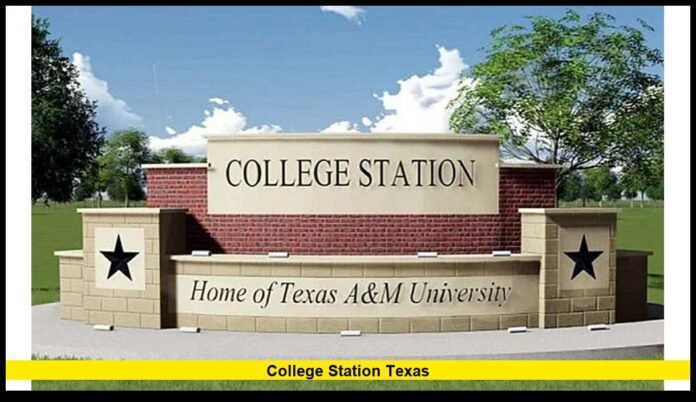

The city of College Station Texas stands today as one of the most rapidly developing communities in the Lone Star State. Known for its deep connection to Texas A&M University and its growing economy, the city continues to balance small-town warmth with modern progress. In 2025, College Station has not only strengthened its reputation as an educational powerhouse but also as a thriving hub for business, technology, and culture.
The Heart of Aggieland
Located in Brazos County, roughly midway between Houston and Austin, College Station is the proud home of Texas A&M University, one of the largest public institutions in the United States. With a student population exceeding 77,000, the university plays a defining role in the city’s identity.
Texas A&M’s influence extends beyond academics. From groundbreaking research in engineering and agriculture to nationally recognized athletic programs, the university contributes significantly to the region’s economic and cultural landscape. In 2025, the campus completed several notable projects, including upgrades to the Aggie Park green space, new laboratory facilities, and expanded student housing.
The synergy between the city and the university has created a vibrant environment that supports education, innovation, and entrepreneurship—making College Station one of Texas’s most forward-looking communities.
Population Growth and Demographics
College Station’s population continues to rise, crossing 129,000 residents in 2025, a steady increase since the 2020 Census. The influx of students, professionals, and families has fueled the demand for housing, education, and services.
This growth aligns with Texas’s broader demographic trends, as people from across the country relocate for career opportunities and quality of life. The city’s median age remains relatively young—around 25—reflecting its strong student and early-career population.
Despite rapid expansion, College Station maintains a close-knit community atmosphere, with neighborhoods like Pebble Creek, Castlegate, and Mission Ranch offering a mix of suburban comfort and proximity to downtown amenities.
Economic Development and Job Market
The economy of College Station Texas continues to diversify, moving beyond its university roots. While education remains the largest employer, technology, healthcare, and biotechnology industries have experienced impressive growth.
Key Economic Highlights in 2025:
| Sector | Status | Notable Employers |
|---|---|---|
| Higher Education | Strong | Texas A&M University System |
| Biotechnology | Expanding | FUJIFILM Diosynth Biotechnologies |
| Healthcare | Steady Growth | Baylor Scott & White Health |
| Technology | Emerging | Tech Ridge at Texas A&M |
| Retail & Services | Thriving | Century Square, Post Oak Mall |
FUJIFILM Diosynth Biotechnologies continues to serve as a cornerstone for life sciences and biomanufacturing, drawing skilled professionals to the area. The Tech Ridge innovation hub also attracts start-ups in artificial intelligence, robotics, and renewable energy research.
Additionally, College Station’s pro-business policies and accessible infrastructure make it attractive for entrepreneurs and small businesses. The city’s economic development department has prioritized sustainable growth, offering incentives for technology and clean-energy companies.
Infrastructure and Transportation Updates
The city of College Station, Texas has undergone a transformative year in 2025, marked by extensive improvements in transportation and infrastructure that are shaping its future growth. With more residents, students, and visitors moving through the area than ever before, local leaders have focused on expanding accessibility, reducing congestion, and building sustainable systems designed to meet long-term needs.
A City on the Move
College Station’s infrastructure upgrades reflect its steady population growth and its position as one of the state’s key educational and economic hubs. Major construction efforts throughout 2024 and 2025 have targeted the city’s busiest corridors, addressing traffic flow issues that have developed alongside rapid urban development. These investments not only improve daily commutes for residents but also enhance commercial connectivity across the Bryan–College Station metropolitan area.
FM 2818 Corridor Improvement
The FM 2818 corridor project has been a centerpiece of local transportation planning. Stretching from University Drive to Harvey Road, this heavily traveled route serves thousands of vehicles daily, linking residential areas, Texas A&M University, and major retail centers. The widening of lanes, the addition of turning bays, and upgraded traffic signal systems have significantly reduced congestion during rush hours.
New pedestrian crossings and dedicated bike lanes have also been introduced, ensuring safety for cyclists and students who rely on non-motorized transportation. Improved lighting and landscaping have transformed the corridor into a cleaner and more welcoming gateway for both residents and visitors.
Aggie Expressway (SH 249 Extension)
The completion of the Aggie Expressway, an extension of State Highway 249, represents one of the most impactful infrastructure achievements of recent years. This direct highway link between College Station and the greater Houston area has shortened travel times by nearly 30 minutes on average, creating new opportunities for business logistics, tourism, and regional collaboration.
For many commuters and business owners, the expressway is more than just a road—it’s a lifeline that connects College Station to Texas’s broader economic engine. The improved access to major metropolitan centers also supports growth in local industries, including biotechnology, construction, and higher education.
University Drive Revitalization
University Drive, which borders Texas A&M’s main campus, has undergone a remarkable transformation aimed at improving both function and aesthetics. The revitalization project included updated sidewalks, improved drainage systems, decorative streetlights, and expanded green spaces designed to create a safer, more enjoyable environment for pedestrians.
The area now features widened crosswalks, improved traffic signaling, and shaded rest areas, encouraging foot traffic between campus, nearby restaurants, and retail hubs. The redesign reflects the city’s vision of blending practical infrastructure with a pedestrian-friendly, collegiate atmosphere that enhances community life.
Expanded Public Transit System
Public transportation has also evolved to meet the needs of a growing and environmentally conscious population. The Brazos Transit District launched a fleet of electric buses in 2025, introducing quieter, zero-emission service to key routes throughout College Station and neighboring Bryan.
The new system includes extended operating hours and added stops near residential communities, shopping districts, and campus areas. Additionally, the introduction of mobile ticketing and real-time GPS tracking allows riders to plan their trips more efficiently. These modern upgrades have made public transit more convenient, affordable, and sustainable for both students and working professionals.
To encourage broader use, the city has also introduced bike-share stations and electric scooter zones around high-traffic areas like University Drive and Century Square. These micro-mobility options make short-distance travel easier while reducing car dependency and emissions.
Sustainability at the Core
College Station’s infrastructure strategy goes beyond road expansion—it’s built on long-term sustainability. City planners continue to emphasize green infrastructure, including permeable pavements, rain gardens, and energy-efficient street lighting. These initiatives help manage stormwater runoff, reduce heat islands, and cut down on electricity consumption.
The city’s engineering department has also adopted new smart-city technologies, such as adaptive traffic lights and environmental sensors, to improve traffic management and monitor air quality. By integrating data-driven systems, College Station is taking measurable steps toward building a more connected and eco-friendly urban environment.
Looking Ahead
Several new projects are currently under planning or early construction phases:
- South College Avenue Reconstruction: Aiming to improve drainage and pedestrian access near commercial districts.
- Regional Mobility Plan 2030: Focused on expanding bike trails and developing intercity rail connectivity within Central Texas.
- New Transportation Hub near Texas A&M: Set to include parking facilities, charging stations, and multi-modal transit connections.
These forward-looking investments are designed to ensure that College Station can handle future population increases while maintaining efficient, sustainable mobility options.
A Vision of Smart Growth
The infrastructure progress seen in 2025 demonstrates College Station’s commitment to smart, inclusive growth. By prioritizing safe roads, modern transit, and environmental responsibility, city leaders are building a foundation that supports both community well-being and economic vitality.
Residents and business owners alike are already seeing the benefits—shorter commutes, safer streets, and a more accessible city that continues to adapt to its residents’ evolving needs. With a clear vision for the future, College Station, Texas, is proving that infrastructure investment is not just about roads—it’s about creating a better quality of life for everyone who calls the city home.
Real Estate and Housing Market
College Station’s real estate landscape reflects its rapid population growth. The demand for housing has increased steadily, with developers introducing new residential and mixed-use projects across the city.
- The median home price in late 2025 stands around $365,000, slightly higher than the Texas state average but consistent with demand driven by students and professionals.
- Suburban developments like Greens Prairie Reserve and Oakmont have become popular choices for families seeking larger lots and community amenities.
- Student housing continues to expand, with complexes such as The Standard at College Station and Aspen Heights offering luxury living close to campus.
Commercial real estate is also thriving, particularly around University Drive, Texas Avenue, and Wellborn Road, where new retail and dining spaces have opened to meet the needs of the growing population.
Education Beyond the University
While Texas A&M University defines higher education in the region, College Station Independent School District (CSISD) remains one of the top-performing districts in Texas. It serves more than 15,000 students across 19 campuses, known for high academic standards and strong extracurricular programs.
Recent updates include:
- The opening of College Station Middle School South Campus, designed with advanced STEM classrooms and energy-efficient facilities.
- Expansion of early college and dual-credit programs in partnership with Blinn College and Texas A&M.
- Continued focus on special education and inclusivity initiatives across all grade levels.
This dedication to quality education has made College Station a magnet for families prioritizing academic excellence.
Tourism and Cultural Scene
Tourism remains a vital part of College Station’s identity. The city welcomes millions of visitors each year, many drawn by Texas A&M athletics, cultural attractions, and community events.
Top Attractions in 2025
- Kyle Field: The iconic football stadium seats over 102,000 fans, making it one of the largest in the U.S.
- George H.W. Bush Presidential Library and Museum: A must-visit destination showcasing American history, now featuring a new exhibit on global diplomacy launched in 2025.
- Santa’s Wonderland: One of Texas’s largest holiday attractions, expanded in 2025 with additional light trails and activities.
- Aggieland Safari: A family-favorite wildlife park offering drive-through and educational zoo experiences.
- Wolf Pen Creek Amphitheater: Continues to host outdoor concerts, festivals, and movie nights.
Beyond major attractions, the city’s downtown area and Century Square provide vibrant nightlife, dining, and entertainment options that cater to both students and residents.
Dining, Shopping, and Local Life
The culinary scene in College Station Texas reflects its youthful energy and Southern roots. From barbecue joints to modern eateries, the city offers flavors for every palate.
Local favorites include:
- The Republic Steakhouse – upscale dining with award-winning Texas beef.
- Layne’s Chicken Fingers – a local staple with a cult following.
- Mad Taco – popular for Tex-Mex fusion and craft cocktails.
- Dixie Chicken – a beloved hangout steeped in Aggie tradition.
The retail landscape is also expanding. Post Oak Mall remains the primary shopping center, while Century Square and Jones Crossing offer an urban mix of shops, cafés, and entertainment venues.
Parks, Recreation, and Outdoor Spaces
Residents of College Station enjoy abundant outdoor amenities and recreation options throughout the year. The city’s commitment to preserving green spaces has resulted in over 60 public parks, miles of walking trails, and extensive athletic facilities.
- Veterans Park and Athletic Complex: Hosts youth sports tournaments and community events.
- Lick Creek Park: A 500-acre nature preserve offering hiking, cycling, and bird-watching.
- Southwood Valley Park: A popular gathering spot for families with playgrounds and picnic areas.
- Thomas Park Recreation Center: Offers fitness programs and year-round youth activities.
College Station’s mild climate makes outdoor living central to daily life, with festivals, concerts, and farmers markets scheduled throughout the year.
Local Government and City Planning
The City of College Station operates under a council-manager form of government, focusing on efficient management and community engagement. In 2025, the city approved a $491 million budget emphasizing infrastructure, public safety, and sustainability.
Recent civic initiatives include:
- Expansion of the College Station Police and Fire Departments.
- Construction of new stormwater management systems to improve flood control.
- Affordable housing programs targeting low- and middle-income residents.
- Development of smart-city technologies to modernize city services.
City officials continue to prioritize balanced development—encouraging business growth while maintaining the quality of life that residents value.
Community Spirit and Local Events
What truly defines College Station Texas is its sense of community. Annual events like First Friday in Downtown Bryan, Texas Reds Festival, and Aggie Muster draw crowds of locals and visitors alike. These gatherings celebrate the city’s traditions, music, and strong civic pride.
Volunteerism also thrives here. Local organizations and student groups often collaborate on initiatives addressing sustainability, education, and community welfare. The shared connection to Texas A&M unites residents in a spirit of loyalty and service known as the “Aggie Spirit.”
Looking Toward the Future
As 2025 comes to an end, College Station stands as a model for sustainable growth and innovation in Texas. With continued investment in education, technology, and infrastructure, the city is poised for another decade of prosperity.
What began as a modest college town has evolved into a thriving regional center that blends tradition with progress. Whether through its world-class university, family-friendly neighborhoods, or forward-thinking leadership, College Station Texas continues to embody the values of community, opportunity, and resilience.
College Station Texas continues to grow while preserving its Aggie pride and small-town charm. What do you love most about this thriving city? Share your thoughts below.