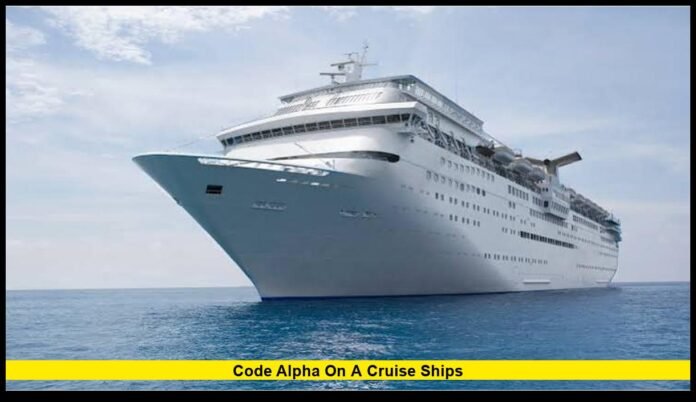

Cruise vacations are known for ocean views, world-class entertainment, and unforgettable destinations, but behind every smooth voyage is a highly trained crew prepared to respond to unexpected situations. One announcement that occasionally catches the attention of passengers is code alpha on a cruise ship. While hearing a coded message over the public address system can sound alarming, these announcements are designed to help crew members communicate efficiently without causing unnecessary concern among guests.
Understanding what these onboard codes mean can help travelers feel more informed and confident during their cruise. Although emergency terminology can vary between cruise operators, Code Alpha is widely recognized across much of the industry as an alert for a medical emergency requiring an immediate response from onboard healthcare professionals.
Key Points Summary
╔════════════════════════════════════════════════════════════════════╗
║ – Code Alpha is commonly used to report a medical emergency aboard a cruise ship. ║
║ – The announcement allows doctors and trained crew to respond quickly. ║
║ – Cruise lines use internal codes to maintain privacy and avoid unnecessary panic. ║
║ – Emergency terminology may differ slightly between cruise companies. ║
║ – Modern cruise ships are equipped with advanced medical facilities and trained response teams. ║
╚════════════════════════════════════════════════════════════════════╝
What Does Code Alpha Mean?
Cruise ships operate like floating cities, often carrying several thousand passengers and crew members. With so many people onboard, efficient communication is essential whenever an emergency occurs.
Code Alpha generally signals that someone onboard requires immediate medical attention. Rather than making a detailed public announcement about a passenger’s health condition, crew members use coded language to notify the ship’s medical team.
A typical announcement might identify a specific location, such as a restaurant, theater, pool deck, or cabin area, allowing emergency responders to reach the scene without delay. Within moments, doctors, nurses, and other trained personnel begin moving toward the reported location with the equipment needed to assess and treat the patient.
Why Cruise Ships Use Emergency Codes
Cruise operators rely on coded announcements for several practical reasons. Publicly describing an emergency could create confusion or anxiety among thousands of passengers, especially if only a small number of people are directly involved.
Using standardized codes offers several important advantages:
- Protects the privacy of the person receiving medical care.
- Helps emergency teams respond faster.
- Prevents overcrowding around the incident.
- Allows different departments to coordinate efficiently.
- Maintains a calm atmosphere throughout the ship.
Instead of broadcasting sensitive information, the code immediately tells trained crew members what type of response is required.
Is Code Alpha Used by Every Cruise Line?
While Code Alpha is commonly associated with medical emergencies, there is no single international rule requiring every cruise operator to use identical emergency terminology.
Each cruise company develops its own operating procedures, training manuals, and emergency communication system. Some lines use Code Alpha exactly as described, while others may assign different code names or additional classifications for specific situations.
Even so, the underlying objective remains consistent across the industry: alert the appropriate response team as quickly as possible while minimizing disruption to passengers.
This flexibility allows cruise companies to tailor emergency procedures to the size of their fleet, onboard technology, and operational standards.
How Medical Emergencies Are Handled Onboard
When a Code Alpha announcement is made, several departments begin working together almost immediately.
Medical Staff Mobilize
The ship’s medical professionals collect emergency supplies and travel directly to the reported location. Depending on the situation, they may bring:
- Emergency medications
- Defibrillators
- Oxygen equipment
- Trauma supplies
- Cardiac monitoring devices
- Stretchers or wheelchairs
Medical teams are trained to evaluate patients quickly and determine the most appropriate course of treatment.
Security Supports the Response
Security personnel assist by clearing pathways, controlling crowds, and ensuring emergency responders can move freely through busy public areas.
If the incident occurs during a popular event or performance, security may temporarily redirect passenger traffic.
Bridge Officers Monitor the Situation
The ship’s bridge remains informed throughout the incident. Senior officers evaluate whether additional resources may be required, including communication with coastal rescue authorities if necessary.
Transportation to the Medical Center
If the patient can be safely moved, they are transported to the ship’s medical facility for additional evaluation and treatment.
The Medical Facilities Found on Modern Cruise Ships
Many travelers are surprised by the quality of healthcare available onboard today’s cruise ships.
Large vessels typically include medical centers that function similarly to small emergency clinics. While they are not full-scale hospitals, they are equipped to handle many common medical situations until additional care becomes available.
Medical facilities often include:
- Consultation rooms
- Observation beds
- Emergency treatment equipment
- Cardiac monitoring systems
- Laboratory testing
- Diagnostic imaging on selected ships
- Pharmacy supplies
- Isolation rooms when required
The medical staff usually includes licensed physicians and registered nurses with experience in emergency medicine, family practice, or critical care.
These professionals work around the clock throughout the voyage.
Common Reasons for a Code Alpha Announcement
Medical emergencies onboard can arise from a wide variety of situations.
Some of the more common reasons include:
Cardiac Emergencies
Heart attacks, irregular heart rhythms, or chest pain require immediate medical assessment.
Falls and Injuries
Passengers occasionally slip near swimming pools, stairways, or wet decks, resulting in fractures or head injuries.
Heat-Related Illness
Cruises visiting tropical destinations expose guests to high temperatures and humidity, increasing the risk of dehydration and heat exhaustion.
Allergic Reactions
Food allergies or insect stings may trigger reactions requiring prompt treatment.
Respiratory Problems
Asthma attacks, breathing difficulties, and respiratory infections are among the medical situations crews regularly encounter.
Existing Medical Conditions
Passengers with chronic illnesses may experience unexpected complications during their vacation.
Not every medical emergency is life-threatening, but every Code Alpha announcement receives immediate attention.
How Cruise Crew Members Train for Emergencies
Cruise lines invest heavily in safety training before crew members ever begin working with passengers.
Training includes:
- Basic first aid
- Cardiopulmonary resuscitation (CPR)
- Automated external defibrillator (AED) use
- Emergency communication
- Crowd management
- Fire response
- Passenger evacuation procedures
- Incident reporting
Crew members also participate in regular onboard drills throughout their contracts.
These exercises simulate realistic emergency situations so everyone understands their responsibilities if an actual incident occurs.
What Passengers Should Do During a Code Alpha
If you hear an emergency announcement while onboard, the best response is usually very simple.
Remain calm and allow crew members to perform their duties.
Passengers should:
- Continue following instructions from crew members.
- Avoid gathering around the emergency.
- Keep hallways and stairwells clear.
- Never interfere with medical personnel.
- Respect the privacy of the affected individual.
- Avoid sharing unverified information on social media.
Most onboard emergencies involve only a small area of the ship and have little impact on the overall cruise experience.
Other Cruise Ship Emergency Codes
Although meanings differ slightly between cruise operators, passengers may occasionally hear other coded announcements.
Code Bravo
Often indicates a fire or possible fire somewhere onboard.
Code Oscar
Generally refers to a person overboard.
Code Charlie
May relate to security matters or other operational incidents.
Code Sierra
Can indicate a security-related response depending on company procedures.
Code Kilo
Sometimes used when additional personnel assistance is required.
Because terminology is not standardized across every fleet, passengers should avoid assuming identical meanings on every cruise line.
Can Cruise Ships Handle Serious Medical Emergencies?
Modern cruise ships are capable of providing impressive levels of emergency medical care.
Doctors routinely treat conditions including:
- Chest pain
- Broken bones
- Cuts requiring stitches
- Allergic reactions
- Gastrointestinal illnesses
- Dehydration
- Minor infections
- Respiratory problems
- Diabetes-related complications
If a patient requires treatment beyond what can safely be provided onboard, the captain coordinates with maritime authorities and local emergency services.
Possible options include:
- Emergency helicopter evacuation
- Transfer to another vessel
- Arrival at the nearest suitable port
- Ground ambulance transport after docking
These decisions depend on weather, location, sea conditions, and the patient’s medical needs.
Cruise Ship Safety Has Improved Significantly
Cruise operators continuously invest in technology and crew training to improve passenger safety.
Today’s ships feature:
- Advanced navigation systems
- Continuous bridge monitoring
- Sophisticated fire detection equipment
- Hundreds of surveillance cameras
- Emergency communication systems
- Automated safety alarms
- Modern evacuation equipment
Medical capabilities have also improved dramatically over the past two decades, allowing crews to manage many emergencies that once required immediate evacuation.
Should Travelers Be Concerned?
Hearing an unfamiliar emergency code can naturally make passengers curious, but there is rarely a reason for alarm.
Most Code Alpha announcements involve a single passenger or crew member receiving medical assistance. The majority of guests onboard may never even notice the incident beyond hearing the announcement.
Cruise crews are extensively trained to respond efficiently while keeping the rest of the voyage running smoothly.
Travelers can further improve their safety by purchasing travel insurance, bringing sufficient prescription medications, staying hydrated, following onboard safety instructions, and attending the mandatory muster drill at the beginning of every cruise.
Why Cruise Lines Prioritize Passenger Privacy
One often-overlooked reason for coded announcements is respect for personal privacy.
Medical information is highly sensitive, and cruise companies avoid broadcasting details about a passenger’s condition over loudspeakers. Using internal emergency terminology allows healthcare professionals to respond immediately while protecting the dignity of the individual involved.
This approach also reduces unnecessary speculation among other guests and helps maintain a respectful environment throughout the ship.
Understanding Onboard Emergency Procedures
Knowing how cruise ships respond to emergencies can help first-time travelers feel more comfortable before departure. From medical incidents to fire prevention and security operations, every department onboard follows carefully planned procedures developed through years of training and international maritime safety standards.
Whether the voyage lasts a weekend or several weeks, passengers benefit from having experienced professionals available around the clock. The systems may remain largely invisible during a typical vacation, but they play a critical role in ensuring that every guest receives assistance whenever it is needed.
Later in the voyage, if you happen to hear code alpha on a cruise ship, remember that it is usually a signal for trained medical responders—not a reason for passengers to panic. Remaining calm, giving responders space to work, and following crew instructions helps ensure the situation is handled as efficiently as possible.
Conclusion
Cruise vacations combine relaxation with extensive behind-the-scenes planning that keeps thousands of people safe every day. Emergency communication systems are an important part of that preparation, allowing medical teams and other departments to react within moments when assistance is required. Although passengers may occasionally hear coded announcements, these messages are primarily intended for trained crew members and are part of a well-organized response system.
Understanding what Code Alpha typically represents provides reassurance that cruise ships are prepared for unexpected medical situations. With experienced healthcare professionals, advanced onboard facilities, and comprehensive safety procedures, today’s cruise industry is equipped to deliver prompt care while maintaining a calm and enjoyable environment for everyone on board.
Have you ever heard a coded announcement while cruising? Share your experience in the comments and follow us for more cruise travel tips, safety guides, and the latest maritime updates.