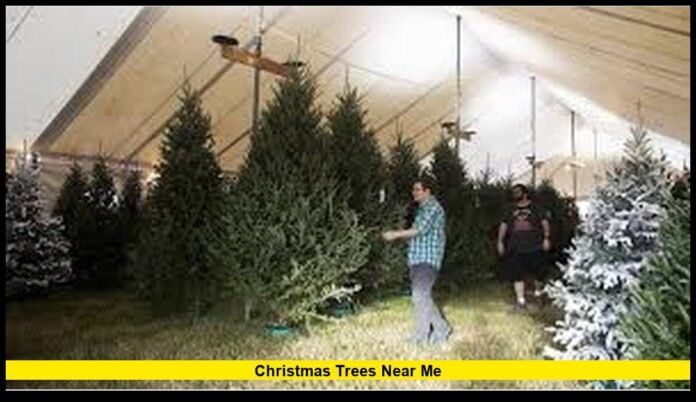

If you’re searching for christmas trees near me this holiday season, you’ll find a wide variety of choices across the United States, along with steady availability and clear trends shaping how Americans bring home their perfect tree. With families decorating earlier, retailers preparing bigger inventories, and farms reporting strong harvests, this year’s tree-buying experience offers plenty of reliable options no matter where you live. This detailed overview helps shoppers understand availability, pricing, buying tips, and care practices based on what’s happening right now in December 2025.
A Strong National Supply for 2025
Real Christmas trees remain highly accessible throughout the country. Growers harvested healthy volumes after years of strategic crop planning, ensuring most regions were well stocked before the first weekend of December. Many farms also opened their gates earlier than usual to accommodate shoppers eager to decorate before mid-month.
This year’s supply strength can be seen in both rural and suburban markets. In the Midwest and Northeast, traditional tree farms continue to dominate early-season sales, while Southern states report growing interest in locally grown varieties that thrive in warmer climates. Retail lots in major metropolitan areas prepared for increased demand by expanding shipments during the first week of December. As a result, Americans visiting farms, lots, or garden centers now encounter wider selections compared to several past seasons.
Price Trends and What They Mean for Buyers
Price stability plays a major role in this year’s shopping patterns. While production costs have risen in many agricultural sectors, numerous tree growers aimed to avoid dramatic price increases. This decision helps consumers maintain holiday budgets and encourages local shopping.
Most regions show moderate adjustments in retail pricing, especially for premium species like Fraser fir or taller trees over eight feet. Families seeking more affordable options still find excellent choices among Douglas fir, balsam fir, and several pine varieties. Smaller trees—particularly those between four and six feet—remain a cost-effective pick for apartments, townhouses, and small living spaces.
Retailers in urban markets report consistent enthusiasm for medium-height trees because they offer strong visual impact without pushing consumers into higher price tiers. Overall, buyers benefit from a season where value and quality align more closely than in some recent years.
Higher Artificial Tree Prices Push Interest Toward Real Trees
Artificial trees continue to see cost increases due to manufacturing and import expenses. These higher costs have redirected attention back to natural trees, especially for families who enjoy the fragrance, authenticity, and tradition of a live holiday centerpiece.
This shift has been noticeable in states with strong farming communities, where younger shoppers show renewed interest in the experience of visiting a farm, choosing a tree, and supporting local agriculture. Many choose-and-cut operations have responded with extended weekend hours, holiday events, and new amenities such as warm drinks, bonfires, and kids’ activities.
The trend doesn’t indicate a decline in artificial tree popularity, but rather a balancing of the market where natural trees recapture a meaningful share of demand.
Cut-Your-Own Tree Options Are Growing in Popularity
One of the most significant developments this season is the rise in choose-and-cut participation. Families enjoy the outing, and many farms prepared with well-marked fields, multiple species, and improved on-site services.
These farms offer:
- Guided cutting assistance for beginners
- Shaking and baling services
- Fresh trunk cuts before loading
- On-site staff to help transport trees to vehicles
The experience appeals to both long-time customers and first-time buyers who want a hands-on approach. Many farms recommend weekday visits for the best selection and shorter wait times, especially in the second week of December when weekend traffic usually accelerates.
What to Know About Cutting a Tree on Public Land
Across various national forests, Americans can cut their own Christmas tree as long as they follow proper permit rules. These programs help manage forest health, reduce overcrowding of small trees, and allow residents to create meaningful holiday traditions.
Permits outline:
- Which areas are open for cutting
- Height limits for selected trees
- Approved tree species
- Tagging and transport requirements
- Safety guidelines for remote areas
Most forests maintain open cutting periods through mid-December or later. Families choosing this option should prepare for winter conditions, bring the right tools, and check local rules before driving to cutting sites.
Where to Shop: Farms, Lots, Garden Centers, and Retailers
Shoppers in the U.S. have four main options for purchasing a tree, each with its own advantages.
1. Local Tree Farms
Farms provide the freshest selection and the widest range of sizes. Many farms grow multiple species, allowing customers to compare scent, branch strength, and color side by side. They also tend to offer the strongest customer support, from helping load the tree to sharing care tips.
2. Retail Lots
Pop-up tree lots in parking areas or community centers remain popular in suburban and urban regions. These lots typically receive deliveries throughout December, keeping inventory fresh. Many offer pre-trimmed and netted trees to simplify the buying process.
3. Garden Centers
Garden stores often carry specialty species or premium trees with distinctive shapes. These retailers also sell stands, ornaments, and home décor, making them a one-stop destination for holiday preparation.
4. Home-Improvement Stores
Large national chains offer convenience and accessibility. Their price ranges appeal to shoppers on a schedule, and many locations maintain steady inventory through mid-December.
With all these options active this year, shoppers have flexibility to choose the experience, price point, and species that best meet their needs.
How to Choose the Freshest Tree
Picking a fresh tree ensures it lasts longer, looks fuller, and retains its color through New Year celebrations. Buyers can use the following checklist to make a confident selection:
- Needle Flexibility: Gently bend the needles. Fresh needles bend without snapping.
- Fragrance Strength: A healthy tree releases a clean, evergreen scent when shaken lightly.
- Branch Structure: Full, symmetrical branches support ornaments well.
- Color Consistency: Look for vibrant green tones without excessive browning.
- Base Moisture: Inspect the trunk for signs of dryness or cracking.
Species differ in their strengths. Fraser fir offers outstanding needle retention, balsam fir provides rich fragrance, Douglas fir brings fullness, and pine varieties offer strong, flexible branches ideal for heavier ornaments.
Transporting Your Tree Safely
Once you select a tree, safe transport matters. Incorrect loading can damage the tree or create hazards on the road.
Before leaving the lot or farm:
- Ensure the tree is netted tightly.
- Position the trunk toward the front of the vehicle for reduced wind damage.
- Use strong rope or ratchet straps rather than light twine.
- Confirm all knots are secure by giving the tree a firm shake before driving.
Drivers should also protect their vehicle’s roof with a blanket, towel, or rubber mat. Those using SUVs or trucks without roof racks should take extra time positioning straps to ensure the tree remains stable.
Caring for Your Tree at Home
Proper care keeps your tree looking beautiful through the entire holiday season.
Give the Tree a Fresh Cut
Remove about half an inch from the trunk before placing it in water. This step opens the tree’s pores and improves water uptake.
Use a Secure Stand
A wide, heavy-duty stand provides stability. The stand should hold at least a gallon of water and fit the trunk comfortably.
Water Daily
Trees can absorb significant amounts of water, especially during the first week. Keeping the stand full prevents the trunk from sealing over and helps maintain needle softness.
Place the Tree Away From Heat
Avoid placing the tree near heaters, fireplaces, or direct sunlight. Cooler locations extend freshness.
Check Lights for Safety
Use lights with low heat output and ensure wires have no damage. Safe lighting reduces the risk of drying the branches.
With the right care, most trees remain vibrant well past Christmas Day.
How U.S. Shoppers Can Quickly Locate christmas trees near me Today
Consumers can streamline their search by following a simple plan:
- Identify nearby farms, lots, and retailers using local directories or community postings.
- Call ahead to confirm species availability, sizes, and operating hours.
- Visit earlier in the day for the best selection.
- Bring home measurements to avoid choosing a tree that’s too tall or too wide.
- Inspect freshness before buying, especially during the busier mid-December period.
These steps help consumers avoid overcrowded locations and make informed decisions without stress.
The Bottom Line for 2025
This holiday season offers one of the strongest Christmas tree markets in recent years. U.S. shoppers enjoy a wide selection, stable pricing, plentiful supply, and more flexibility than ever in how they purchase. From traditional tree farms to retail lots, and from public-land permits to convenient home-improvement stores, the options fit nearly every preference and budget.
Families seeking a natural, fragrant centerpiece will find excellent choices in all sizes and species. Those who prioritize convenience will appreciate the dependable availability at major retailers. With high-quality trees accessible nationwide, this year is shaping up to be a rewarding and enjoyable season for anyone bringing home a fresh Christmas tree.