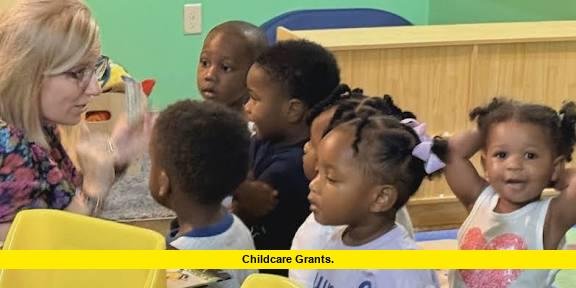

Childcare grants remain an important source of funding for families, providers, colleges and communities as child care costs and demand for assistance continue to pressure programs across the United States. As of September 9, 2026, several federal and state funding opportunities remain active or are moving through award processes, while other grant programs have already closed or shifted into their spending and reporting phases.
The latest federal development is the 2026 Child Care Access Means Parents in School (CCAMPIS) grant competition. The U.S. Department of Education and U.S. Department of Health and Human Services announced more than $73.5 million for the program, which helps institutions of higher education support child care for low-income student parents. Applications closed May 29, and selected applicants are expected to receive award notifications no later than September 30, 2026.
At the state level, funding opportunities differ substantially. Some states continue to offer provider grants, workforce payments and expansion assistance, while other pandemic-era grant programs have ended. Families also face a separate challenge: child care assistance funded through state and federal programs has significant waitlists in parts of the country.
What Are Childcare Grants?
Childcare grants are funding awards designed to support child care services, providers, facilities, workers, families or organizations serving children and parents.
They are different from ordinary child care subsidies. Subsidies generally help eligible families pay participating providers for care. Grants can instead finance specific projects, staffing initiatives, facility improvements, campus child care programs, quality improvements or other approved activities.
The federal government sends funding to states and territories through programs such as the Child Care and Development Fund. States then operate their own assistance systems and establish eligibility rules. Childcare.gov says every state and territory has a child care financial assistance program, although eligibility requirements vary by location.
For that reason, people searching for funding should first determine whether they need assistance as a parent or funding as a child care provider. The application process can be very different.
Latest Federal Childcare Grant Update for 2026
The most significant current federal grant opportunity directly connected to child care is CCAMPIS.
The program supports campus-based child care services for low-income parents enrolled in postsecondary education. Unlike many grant programs, individual parents and private child care centers cannot apply directly for the federal CCAMPIS award.
Only eligible institutions of higher education can apply. The Department of Education states that an institution generally qualifies when the total amount of federal Pell Grant funds awarded to its students during the preceding fiscal year reaches at least $350,000.
The 2026 competition opened April 20, 2026, with applications due May 29. The intergovernmental review deadline was July 28. The application period is now closed.
The department’s current information says selected applicants will be notified no later than September 30, 2026.
The grants can support a range of licensed child care arrangements. Eligible services can include:
- Full-day or half-day child care
- Infant and toddler care
- Before- and after-school care
- School-age care
- Weekend care
- Drop-in care
- Extended-hours care
- Summer camp services
The specific services supported by an institution must reflect the needs identified for its student-parent population.
How Much Can a 2026 CCAMPIS Grant Provide?
The maximum annual CCAMPIS award is generally $500,000 or an amount calculated using the institution’s FY2025 Pell Grant recipient count, whichever is greater.
The Department of Education says the maximum annual amount is based on $100 multiplied by the institution’s total number of Pell Grant recipients in FY2025, with the applicant also able to request a lower amount.
The award period can cover four years, with the requested annual amount remaining the same during the four-year performance period.
That means the program can provide substantial support to qualifying colleges and universities, but it is not a direct federal child care check for individual parents.
Low-income student parents can benefit when their institution receives the grant and uses the funding for qualifying child care services.
Child Care Assistance Is Separate From Grants
One of the most important distinctions for families is the difference between a grant opportunity and child care financial assistance.
Childcare.gov explains that states and territories receive federal funding to provide financial assistance to low-income families. States may administer this support through vouchers, certificates or subsidies.
These programs can help eligible parents pay participating child care providers while they work or attend school. Eligibility requirements are determined by individual states and territories.
Therefore, a parent searching for “childcare grants” may actually need to apply for a state child care subsidy rather than a traditional grant.
The appropriate starting point is the child care assistance program in the parent’s state or territory. The state program can also provide information about participating providers.
Why Demand for Child Care Funding Remains High
The need for child care funding remains significant across the country.
A recent Associated Press report found that hundreds of thousands of eligible children were on waiting lists for government-funded child care assistance across 23 states and Washington, D.C. The report highlighted how families can struggle when available assistance does not cover all eligible applicants.
The situation is partly connected to the expiration of approximately $28 billion in federal pandemic-era child care funding in 2024. Congress did not extend that temporary funding, contributing to financial pressure on states and child care programs.
The result is a complicated funding environment. Federal child care programs continue to operate, but available resources do not necessarily guarantee immediate assistance for every eligible family.
Some states have responded with additional state funding. Indiana, for example, recently allocated $200 million toward child care assistance, although reporting indicates that the additional funding still does not eliminate the broader national shortfall.
State Childcare Grant Programs Continue to Vary
There is no single nationwide application for every child care grant.
States, counties, cities and other organizations can establish their own funding opportunities. Requirements may depend on whether an applicant operates a licensed center, family child care home, nonprofit organization or another eligible program.
Some grants focus on expanding child care capacity. Others target workforce development, facility improvements, quality improvements, equipment or special accommodations.
For example, Vermont’s Department for Children and Families currently lists Special Accommodation Grants for licensed specialized child care programs. The funding can support the safe and successful inclusion of children in child care programs and can cover support for up to 12 months.
Vermont also lists other provider funding initiatives, showing how state-level opportunities can address specific child care needs rather than providing a general-purpose grant.
Seattle Opens a 2026 Child Care Workforce Funding Opportunity
Seattle provides another example of a current local child care funding opportunity.
The city’s 2026 Childcare Workforce Payments program opened applications September 7, 2026. Eligible child care employers must submit applications for qualifying staff members, and family child care providers can apply through their licensee structure.
The application deadline is September 30, 2026, at 11:59 p.m. Pacific Time. The city says awards will be made through a noncompetitive process, with eligible applications considered for equal funding.
The program is limited to eligible child care programs in Seattle. License-exempt caregivers and Family, Friend and Neighbor caregivers are not eligible for this particular initiative.
This illustrates why applicants should check their local government or state child care agency instead of assuming that a federal grant is the only funding option.
Some Older Child Care Grants Are No Longer Open
Not every grant appearing in online searches remains available.
North Carolina, for example, continues to manage reporting for its Expansion and Access Grants, but the application period closed in June 2023. The state says recipients must complete required reporting and spend remaining funds according to program deadlines.
This distinction is important because older grant announcements can continue to appear in search results long after applications close.
Applicants should always verify an opportunity directly through the government agency or official grant administrator before spending time preparing an application.
Where to Look for Current Child Care Funding
People looking for current funding should focus on official government sources and verify the eligibility rules before applying.
Useful starting points include:
- Childcare.gov for state and territory financial assistance programs
- The U.S. Department of Education for CCAMPIS information
- State child care or early childhood agencies
- State workforce agencies
- County and city government websites
- Official federal grant databases
- Local child care resource and referral agencies
The federal Childcare.gov system specifically directs families to their state or territory’s financial assistance resources.
For organizations seeking grants, federal and state application requirements can include licensing, financial documentation, service-area requirements, program standards and reporting obligations.
What Applicants Should Check Before Applying
Before applying for any childcare grant or funding program, applicants should confirm several details.
First, check whether the funding is intended for parents, child care providers, colleges, nonprofits or local governments. Eligibility can differ dramatically.
Second, confirm the application deadline. Some programs accept applications only during a short annual window.
Third, check whether the program is currently accepting applications. A grant can remain visible online even after the application period ends.
Fourth, review whether the funding can be used for the applicant’s intended purpose. Some programs support wages or workforce development, while others focus on facilities, equipment, quality improvements or direct child care services.
Finally, keep documentation showing eligibility and expenditures. Many government-funded programs require reporting after an award is received.
What Families Should Know in September 2026
Families should not assume that the availability of federal child care funding means immediate financial assistance.
Every state and territory operates its own child care assistance system, and eligibility standards differ. Some programs may have waiting lists when demand exceeds available funding.
Parents who need help should therefore apply through their state program even if they have previously been unable to receive assistance. Funding levels, eligibility policies and waitlist conditions can change.
Student parents have another potential avenue through colleges and universities participating in CCAMPIS. However, the 2026 federal competition itself is already closed to new institutional applications, with award notifications expected by September 30.
The Bottom Line on Childcare Grants
The current childcare funding landscape is a mix of federal grants, state assistance, local initiatives and targeted programs. The 2026 CCAMPIS competition represents the largest newly announced federal grant opportunity specifically supporting child care for low-income student parents, with more than $73.5 million made available and award decisions expected by the end of September.
At the same time, families continue to encounter limited availability in some state child care assistance programs, while providers can find different grant and workforce opportunities depending on their location.
The key takeaway is that eligibility and availability depend heavily on the applicant’s state, organization type and intended use of funds. Checking the most recent official program information is essential before applying.
Have you found a current child care grant or assistance program in your state? Share your experience or stay tuned for the latest verified updates.