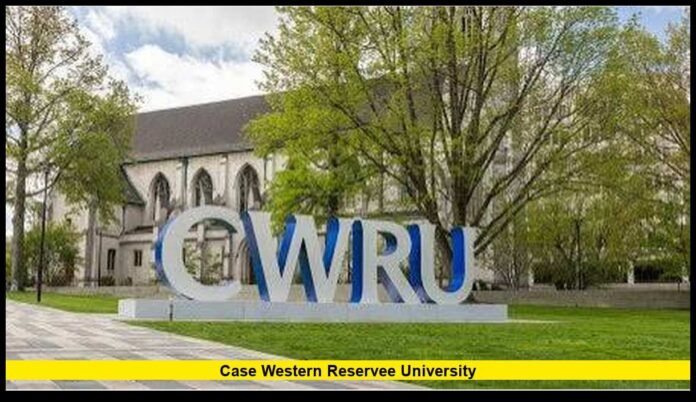

Case Western Reserve University is entering the 2026-27 academic year with a strong focus on research, innovation, professional preparation and student experience. Located in Cleveland, Ohio, the private research institution continues to attract students interested in medicine, engineering, science, business, nursing, law, social sciences and the arts. With its urban location and close connections to major healthcare and research organizations, the university offers students opportunities to combine classroom learning with practical experience.
The 2026 academic year brings several developments for prospective and current students, including updated tuition costs, a new incoming class, continued research activity and a full schedule of campus and athletic events. For families researching colleges, understanding the university’s academic strengths, costs, location, student experience and career opportunities is essential.
A Long History of Higher Education and Research
The university has a history stretching back nearly two centuries. Western Reserve College was founded in 1826, while the Case School of Applied Science was established in Cleveland in 1880. The two institutions developed independently before eventually joining together in 1967.
That merger created the modern university and combined a traditional liberal arts heritage with a strong emphasis on science and technology.
Over time, the institution developed into a comprehensive research university with schools dedicated to medicine, engineering, nursing, management, law, social work and other professional disciplines.
Today, its history is reflected in an academic environment that places considerable emphasis on discovery and practical application.
Cleveland Location Gives Students a Major Advantage
One of the university’s defining characteristics is its location in Cleveland’s University Circle.
The campus sits within a major educational, medical and cultural district. Students have access to nearby hospitals, museums, research organizations and other institutions that contribute to the area’s academic environment.
For students pursuing medicine and healthcare-related careers, the surrounding ecosystem can be particularly valuable. Engineering and technology students can also benefit from connections with research organizations, companies and innovation programs throughout the region.
The Cleveland setting also gives students access to a major U.S. city without the same scale and cost structure associated with some of the country’s largest metropolitan areas.
Beyond the classroom, students can explore restaurants, entertainment, professional sports, cultural attractions and community organizations throughout Cleveland.
Academic Programs Cover a Wide Range of Fields
The university’s academic portfolio is one of its biggest strengths.
Undergraduate students can select from more than 100 degree programs, while graduate and professional students have access to a broad collection of specialized programs.
Major academic areas include:
- Arts and sciences
- Engineering
- Medicine
- Nursing
- Dental medicine
- Business and management
- Law
- Social work
- Computer science
- Biomedical sciences
The university is especially well known for disciplines connected to healthcare, science and engineering. However, students interested in humanities, social sciences, business and interdisciplinary studies also have numerous options.
The structure allows students to explore more than one academic area and develop combinations that match their career ambitions.
For example, a student interested in healthcare technology could combine interests in engineering, computer science and medicine. Someone interested in public policy could incorporate social sciences, economics, law or healthcare studies.
Research Remains at the Center of the University
Research is an important part of the CWRU experience at both the undergraduate and graduate levels.
The institution has a long history of scientific and medical contributions, and its current research portfolio continues to cover areas such as biomedical science, engineering, artificial intelligence, neuroscience, materials science, public health and healthcare.
Students can benefit from a research-oriented environment where faculty members work on projects with implications beyond the classroom.
This is particularly important for students considering graduate school, medical school or research careers. Undergraduate research can help students develop analytical skills, laboratory experience and professional relationships before graduation.
The university also works with external organizations, hospitals and industry partners, giving research projects opportunities to move from academic concepts toward practical applications.
Innovation and Entrepreneurship Opportunities
Technology and entrepreneurship have become increasingly important elements of the university experience.
One notable resource is Sears think[box], an innovation center designed to help students, faculty and other members of the community turn ideas into physical prototypes and potential ventures.
The facility provides an environment where students can experiment, design and develop projects using specialized tools and equipment.
This type of hands-on environment is particularly useful for engineering and technology students, but entrepreneurship can also benefit students studying business, healthcare, design and other subjects.
Rather than limiting innovation to traditional business programs, the university’s approach encourages students from different disciplines to work together.
2026-27 Tuition and Cost of Attendance
Cost is one of the most important considerations for families evaluating the university.
For students entering in the 2026-27 academic year, undergraduate tuition is listed at $71,410 for the fall and spring semesters.
The university also lists additional charges that can include student fees, housing, meal plans, books, personal expenses and transportation.
For a first-year residential student, the 2026-27 estimated expenses include approximately $11,688 for housing, $8,600 for an unlimited residential meal plan and $2,550 for books, supplies and personal expenses.
The published figures demonstrate why families should look beyond tuition when calculating the actual annual cost of attendance.
Students may also qualify for financial aid, scholarships and other forms of assistance. The amount a family ultimately pays can therefore differ significantly from the university’s published cost.
Prospective students should review their individual financial-aid package and compare the total expected cost with other institutions before making an enrollment decision.
Admissions and the 2026 Incoming Class
The university’s admissions process is designed to identify students who can thrive in a demanding academic environment.
Applicants typically need to demonstrate strong academic preparation, but the admissions process also considers factors beyond grades.
Academic interests, extracurricular involvement, leadership, personal experiences and potential contributions to the campus community can all help shape an applicant’s overall profile.
The 2026 incoming class began its transition to campus during August. New students participated in orientation activities designed to introduce them to university resources, classmates, academic expectations and campus life.
For fall 2026, Discover Week took place from August 15 through August 23, while classes began on August 24.
That transition period is particularly important for first-year students because it allows them to become familiar with the campus before the regular academic schedule begins.
Experiential Learning Is a Major Priority
Traditional lectures are only one part of the educational experience.
The university places significant emphasis on experiential learning, including research, internships, clinical experiences, community engagement and innovation projects.
For students planning professional careers, these experiences can provide an important bridge between academic knowledge and workplace expectations.
A biology student may gain laboratory research experience, while an engineering student could work on a technology project. Nursing and medical students can participate in clinical education, while business students can develop professional experience through internships and entrepreneurship programs.
This emphasis can also help students build resumes before graduation.
Campus Life and Student Activities
Life at the university extends well beyond academics.
Students can participate in a wide variety of organizations, clubs, cultural groups, professional associations, service activities and recreational programs.
These activities allow students to meet people outside their academic programs and develop leadership and communication skills.
The Cleveland location adds another dimension to campus life. Students can take advantage of the city’s restaurants, sports, music, arts and cultural attractions.
University Circle itself is an important part of the student experience, offering access to museums, libraries, healthcare facilities and cultural institutions within a relatively compact area.
Athletics in the 2026-27 Season
CWRU competes in NCAA Division III athletics and fields teams across numerous sports.
The early portion of the 2026-27 season has already produced several encouraging results.
The football team opened the season with a 38-20 victory over the University of Rochester on September 4. The men’s soccer team also began the season with a 3-0 record after a 3-0 win over Wooster on September 6.
The women’s soccer team entered the latest part of the season ranked No. 11 and moved to 3-0 following a 3-1 victory over Capital University.
These early results have given the university’s fall sports programs a positive start and added excitement to the beginning of the academic year.
Career Preparation and Graduate Outcomes
Career preparation is another important consideration for students deciding where to attend college.
The university’s academic programs are closely connected to professional fields, particularly healthcare, engineering, technology, business and scientific research.
Students can use career services, internships, research opportunities, alumni networks and professional connections to prepare for life after graduation.
For students considering medical school or other graduate programs, the university’s extensive healthcare and research environment can provide valuable exposure to professional pathways.
The same is true for engineering and technology students, who can gain experience through research projects, innovation programs and connections with employers.
Life Beyond the Classroom
A major advantage of attending a research university in an urban environment is the opportunity to combine academic and personal development.
Students can attend cultural events, explore Cleveland neighborhoods, participate in community projects and build professional relationships while completing their degrees.
Cleveland also has a strong presence in healthcare, manufacturing, technology, financial services and nonprofit organizations. These industries create potential opportunities for internships and employment.
The combination of an established university and a large metropolitan area gives students numerous ways to explore career interests before graduation.
Why Students Choose the University
There are several reasons prospective students may consider CWRU.
Strong STEM Reputation
Engineering, computer science, biomedical sciences and related fields remain important areas of strength.
Healthcare Connections
The university’s proximity to major medical institutions provides opportunities for students interested in medicine, nursing, public health and biomedical research.
Research Opportunities
Students can become involved in research and innovation projects, potentially gaining valuable experience before graduate school or employment.
Interdisciplinary Education
The ability to combine subjects can help students create academic programs that match emerging career fields.
Urban Campus Experience
The Cleveland location offers access to cultural institutions, employers, hospitals and entertainment while maintaining a university-centered environment.
Entrepreneurship
Facilities such as Sears think[box] give students opportunities to transform concepts into prototypes and explore entrepreneurial ideas.
What Prospective Students Should Consider
Although the university has many advantages, it is not automatically the right choice for every student.
The cost of attendance is substantial, particularly for students living on campus. Families should carefully examine scholarships, grants, financial aid and potential loan requirements.
Students should also consider the intensity of the academic environment. Those choosing demanding programs in engineering, medicine, science or other technical disciplines should be prepared for rigorous coursework.
Location is another consideration. Cleveland offers many advantages, but students should think about whether they prefer an urban campus and the lifestyle that comes with it.
Finally, prospective students should compare specific academic programs rather than judging the university solely by its overall reputation. The quality and fit of an individual major can be more important than general rankings.
Case Western Reserve University in 2026
Case Western Reserve University continues to evolve as it enters another academic year.
Its combination of research, professional education, healthcare connections, innovation resources and Cleveland location makes it distinctive among private research universities.
For students interested in science and technology, the research infrastructure can be a major attraction. For future healthcare professionals, the surrounding medical environment offers an unusually strong setting for academic and professional development. Students in business, social sciences and the humanities can also take advantage of interdisciplinary opportunities and the broader Cleveland community.
The 2026-27 academic year brings new students to campus, updated tuition rates and another cycle of research and athletic activity. As students settle into classes and university programs get underway, the institution remains focused on preparing graduates for careers, advanced study and leadership.
For families researching colleges, the most important question is not simply whether the university is highly regarded. The better question is whether its academic programs, research opportunities, location, campus culture and financial requirements fit the student’s individual goals.
Final Takeaway
Case Western Reserve University stands out for its combination of research intensity, professional education, healthcare connections and hands-on learning. Its Cleveland location gives students access to a diverse professional and cultural environment, while its broad academic structure allows students to explore specialized and interdisciplinary fields.
With the 2026-27 academic year now underway, the university is welcoming a new generation of students while continuing to invest in research, innovation and student opportunities. For prospective applicants, understanding tuition, financial aid, academic programs, campus life and career preparation will be essential when deciding whether CWRU is the right fit.
For students seeking a university where research and practical experience are closely connected, CWRU remains an institution worth considering.