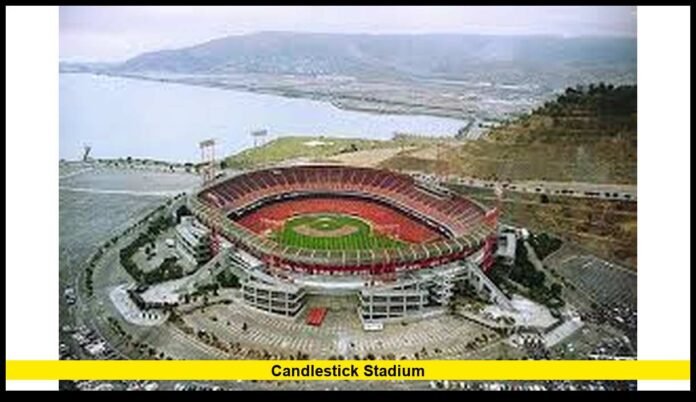

Candlestick Stadium remains a defining symbol of San Francisco’s sports legacy and urban transformation, even years after the final crowd exited its gates. Today, the former Candlestick Stadium site stands at the center of one of the city’s most ambitious redevelopment efforts, reflecting how historic land is being reshaped to meet modern housing, economic, and community needs. As of 2026, the location continues to draw attention not for games or concerts, but for the long and complex process of turning a legendary venue into a new waterfront neighborhood.
The Origins of a Legendary Stadium
Candlestick Stadium opened in 1960 along San Francisco Bay, marking a major investment in large-scale sports infrastructure during a period of rapid urban growth. Its location on the city’s southeastern shoreline offered sweeping views of the water, but it also exposed the stadium to strong winds and unpredictable weather. These conditions became part of its identity and lore.
For decades, Candlestick Stadium served as a shared home for professional baseball and football. The San Francisco Giants played there for nearly 40 years, while the San Francisco 49ers made it their home for more than four decades. The stadium hosted championship games, playoff showdowns, and defining moments that shaped the careers of legendary athletes.
Beyond sports, Candlestick Stadium welcomed major concerts and public events, drawing millions of visitors over its lifespan. The venue became a cultural landmark, deeply woven into the memories of fans across generations.
Challenges That Defined Its Final Years
Despite its iconic status, Candlestick Stadium struggled to keep pace with changing expectations. Fans increasingly demanded modern amenities, improved seating comfort, and premium experiences. The stadium’s aging design made renovations costly and impractical.
The Giants relocated to a new downtown ballpark in 2000, leaving the stadium as a football-only venue. More than a decade later, the 49ers followed, moving to a new facility in Santa Clara after the 2013 NFL season.
With both major tenants gone, Candlestick Stadium reached the end of its functional life. The final event took place in 2014, closing a 54-year chapter in San Francisco history.
Demolition and a Long Pause
Demolition of Candlestick Stadium began in early 2015 and concluded later that year. The removal of the structure was swift, but what followed was not. Unlike many former stadium sites that transition quickly into new developments, this location entered a prolonged planning phase.
The stadium site became part of a larger redevelopment zone known as Candlestick Point. City leaders envisioned a mixed-use district that could deliver housing, jobs, and public space while reconnecting an underutilized waterfront area to the rest of San Francisco.
However, the sheer scale of the land, combined with environmental, economic, and regulatory challenges, slowed visible progress. For years, the site appeared unchanged, leading to public frustration and renewed scrutiny.
Current Status of the Candlestick Stadium Site
As of 2026, the former Candlestick Stadium site remains under active redevelopment but has not yet seen large-scale vertical construction. Instead, progress has focused on essential groundwork that will support future development.
Infrastructure preparation is underway, including underground utilities, road alignments, drainage systems, and environmental safeguards. These steps are critical before residential or commercial buildings can rise.
Updated redevelopment plans received final city approvals in 2025, reflecting revised layouts for housing, parks, streets, and commercial space. These changes align the project with current housing priorities and economic conditions while preserving the long-term vision for the site.
A Vision Built Around Community
The redevelopment of the Candlestick Stadium site is designed around the concept of a complete neighborhood rather than a single-use project. Planners aim to create a place where people can live, work, and spend time without relying heavily on long commutes.
The plan includes a mix of residential buildings, neighborhood retail, office space, public parks, and waterfront access. Streets are designed to support walking, biking, and public transit, helping integrate the area with surrounding communities.
This approach reflects broader shifts in urban planning that prioritize livability, sustainability, and long-term community stability.
Housing as a Central Priority
Housing delivery sits at the heart of the redevelopment strategy. San Francisco continues to face significant housing demand, and large-scale projects like this are viewed as essential to increasing supply.
The approved plans include thousands of housing units across multiple phases. These units are designed to serve a range of income levels, with a substantial portion reserved as affordable housing.
City oversight ensures that affordable housing is built alongside market-rate units, rather than delayed until later phases. This requirement has become a defining feature of the project and a key measure of accountability.
Economic Activity and Job Opportunities
Redevelopment of the Candlestick Stadium site is expected to generate long-term economic benefits. Construction alone supports a wide range of skilled jobs, from trades to engineering and project management.
Once completed, commercial and office components are intended to host diverse employers. These spaces aim to create local job opportunities, reducing the need for residents to commute long distances for work.
Local hiring programs and workforce development initiatives are built into redevelopment agreements, reinforcing the goal of delivering tangible benefits to surrounding neighborhoods.
Environmental and Climate Considerations
Environmental safety remains a major focus throughout redevelopment. Parts of the Candlestick Point area have a history of industrial use, requiring careful testing and remediation before residential construction can proceed.
Environmental standards govern soil conditions, air quality, and long-term site safety. Continuous monitoring ensures compliance with health requirements.
The waterfront location also demands climate-resilient design. Plans incorporate flood protection, shoreline stabilization, and sustainable building strategies intended to address rising sea levels and extreme weather risks.
Improving Transportation and Access
Historically, access to the Candlestick Stadium site was limited. Redevelopment plans aim to correct this by improving connectivity to the rest of the city.
New street networks, transit connections, bike lanes, and pedestrian pathways are designed to support efficient movement while reducing car dependency. These improvements are expected to make the neighborhood more accessible and attractive to residents and businesses.
Better connectivity also strengthens ties between the site and nearby commercial and residential districts.
Community Engagement and Oversight
Community input has shaped many aspects of redevelopment. Residents of nearby neighborhoods have long called for equitable development that provides housing, jobs, and amenities without causing displacement.
Public meetings and negotiated agreements have influenced decisions related to affordability, environmental protections, and local employment goals. While perspectives differ, community involvement remains an ongoing component of project oversight.
City agencies continue to monitor progress and enforce compliance with approved plans and timelines.
Honoring the Candlestick Stadium Legacy
Even without the physical structure, Candlestick Stadium remains a powerful symbol. Redevelopment plans include ways to acknowledge the site’s history through public art, commemorative features, and place names.
These elements aim to preserve collective memory while allowing the land to serve new purposes. For many, this balance between remembrance and renewal defines the project’s broader significance.
Why Candlestick Stadium Still Matters Today
Candlestick Stadium matters because it represents more than a former sports venue. It reflects the challenges cities face when repurposing large, historic sites in ways that meet modern demands.
The redevelopment effort highlights issues of housing access, environmental responsibility, and community equity that resonate far beyond San Francisco. How this site evolves will influence future urban redevelopment projects nationwide.
Looking Ahead
While the transformation of the Candlestick Stadium site has taken longer than expected, recent progress signals movement toward long-promised goals. Infrastructure work is laying the foundation for future construction, and approved plans provide clearer direction than in previous years.
The next phases will determine how effectively the project delivers housing, jobs, and public space. For now, Candlestick Stadium’s former home remains a place where history and future potential intersect.
What do you think the future holds for the Candlestick Stadium site? Share your perspective and stay engaged as this landmark location continues its transformation.