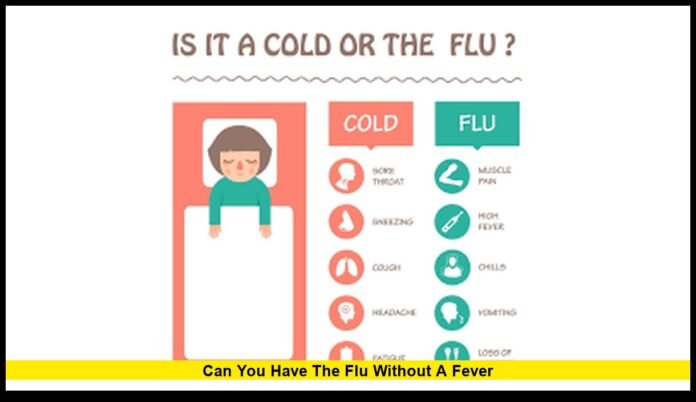

Can you have the flu without a fever is a question that becomes more relevant every year as influenza continues to affect millions of Americans across all age groups. Fever is often treated as the defining sign of the flu, yet many people experience influenza without ever seeing their temperature rise. This reality creates confusion, delays care, and increases the risk of spreading illness without realizing it.
Influenza does not follow a single script. The virus interacts differently with each immune system, producing a wide range of symptoms that vary in intensity, duration, and visibility. While fever is common, it is not required for infection, illness, or contagiousness. Understanding this helps people make better decisions about rest, isolation, and medical care during flu season.
What Influenza Is and How It Affects the Body
Influenza is a contagious viral illness that primarily attacks the respiratory system. It infects the nose, throat, and lungs, disrupting normal breathing and immune function. Once inside the body, the virus multiplies rapidly, damaging respiratory cells and triggering an immune response.
The immune system reacts by releasing chemicals designed to slow viral replication and signal white blood cells to fight the infection. These reactions create the symptoms people associate with the flu, such as body aches, fatigue, cough, and sometimes fever.
The exact combination of symptoms depends on how quickly the immune system responds and which defense mechanisms it activates first.
Why Fever Happens During Many Flu Infections
Fever is a protective response. When the immune system detects a virus, it may raise the body’s temperature to make the environment less favorable for viral replication. Fever can also increase immune efficiency by speeding up certain cellular responses.
However, fever is not the only way the immune system fights infection. In some people, inflammation, antibody production, and cellular immunity work effectively without triggering a rise in temperature. This explains why fever is common but not universal in influenza cases.
Can You Have the Flu Without a Fever?
Yes. You can have the flu without a fever, and this occurs regularly during every flu season in the United States.
Many confirmed influenza cases involve normal body temperature from start to finish. These individuals are still infected, still symptomatic, and still capable of spreading the virus to others.
The absence of fever does not mean the illness is mild, insignificant, or short-lived. It simply reflects how the immune system responds.
How Common Is Flu Without Fever
Flu without fever is more common than most people assume. A large number of adults diagnosed with influenza never report a fever. This is especially true among older adults and people with partial immunity from prior exposure or vaccination.
People who are vaccinated are also more likely to experience flu without fever. Their immune systems recognize the virus faster, limiting symptom severity while still allowing infection.
Symptoms of Influenza When Fever Is Absent
When fever does not occur, influenza often presents with symptoms that feel deceptively manageable. These symptoms may appear suddenly or build over one to two days.
Common symptoms include:
- Persistent cough
- Sore or irritated throat
- Chest tightness
- Nasal congestion
- Headaches
- Muscle aches
- Joint pain
- Profound fatigue
- Weakness
- Chills without temperature elevation
Fatigue is often the most disruptive symptom. Many people report feeling unable to complete daily tasks despite appearing “not very sick” outwardly.
Why Flu Without Fever Is Often Misidentified
Because fever is missing, many people assume they have a cold, allergies, or exhaustion. This leads to delayed rest and continued social interaction during the most contagious period.
Flu without fever is commonly mistaken for:
- Common cold
- Sinus infection
- Seasonal allergies
- Stress-related fatigue
This misunderstanding increases community spread and raises the risk of complications.
Contagiousness Does Not Depend on Fever
Influenza spreads through respiratory droplets released when infected individuals cough, sneeze, speak, or breathe closely near others.
A person can spread the flu:
- Before symptoms fully develop
- During mild illness
- Without ever having a fever
Fever does not control contagiousness. Viral shedding occurs regardless of body temperature, making flu without fever a significant driver of transmission.
Flu Without Fever vs the Common Cold
Distinguishing between flu and cold without fever requires attention to symptom severity and timing.
Flu without fever typically involves:
- Sudden onset
- Severe fatigue
- Body aches affecting large muscle groups
- Headaches
- Chest discomfort
Colds tend to progress gradually and focus more on nasal symptoms than whole-body effects.
Who Is More Likely to Experience Flu Without Fever
Certain populations are more likely to have influenza without fever:
- Adults over age 65
- People with weakened immune systems
- Individuals taking pain relievers regularly
- Vaccinated individuals
- Adults with repeated flu exposure
In these groups, the immune system often controls the virus efficiently without producing high temperatures.
Health Risks Even Without Fever
Flu without fever can still lead to serious complications. Fever absence does not protect against disease progression.
Possible complications include:
- Pneumonia
- Worsening asthma or heart disease
- Dehydration
- Secondary infections
- Hospitalization
Symptoms may appear mild initially but worsen quickly if ignored.
How Influenza Is Diagnosed Without Fever
Medical professionals diagnose influenza using symptom patterns, timing, and diagnostic testing. Fever is not required for testing or confirmation.
Laboratory tests can identify influenza regardless of body temperature. Testing is particularly important for high-risk individuals and those with persistent symptoms.
Treatment When Fever Is Not Present
Treatment for influenza remains the same whether fever is present or not.
Care often includes:
- Antiviral medication when appropriate
- Adequate rest
- Increased fluid intake
- Symptom management
Early treatment can shorten illness duration and reduce the risk of complications.
Should You Stay Home If You Don’t Have a Fever
Yes. Staying home is recommended whenever flu symptoms are present.
Many flu outbreaks occur because individuals continue normal activities while mildly ill. Rest and isolation reduce transmission and support recovery.
Vaccination and Mild Flu Cases
Flu vaccination reduces illness severity and lowers the risk of hospitalization. Vaccinated individuals who get the flu often experience milder symptoms without fever.
This is a sign that the immune system is responding effectively, not that the illness is insignificant.
Flu Season Patterns in the United States
Influenza activity follows seasonal cycles, increasing during colder months. Each season varies in intensity, but flu without fever appears every year.
Public awareness improves early recognition and reduces spread.
When Medical Care Is Necessary
Seek medical attention if symptoms occur with or without fever and include:
- Difficulty breathing
- Chest pain
- Confusion
- Severe weakness
- Persistent vomiting
- Symptoms that worsen
Prompt care prevents severe outcomes.
Preventing the Spread of Influenza
Prevention remains essential.
Helpful practices include:
- Staying home when sick
- Frequent handwashing
- Covering coughs
- Avoiding close contact
- Cleaning shared surfaces
These steps reduce community transmission.
Why Understanding This Matters
Knowing that fever is not required for influenza changes how people respond to illness. It encourages early caution, better isolation, and improved protection for vulnerable populations.
The question can you have the flu without a fever reflects a reality that many Americans experience but often overlook.
Recognizing influenza even without a fever empowers people to protect themselves and others—share your perspective or stay connected as flu season continues.