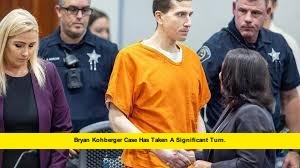

The Bryan Kohberger Case has taken a significant turn after a defense expert claimed that law enforcement mishandled critical evidence in the Idaho murder investigation. This development is adding a new layer of complexity to one of the most closely followed criminal cases in recent U.S. history.
Bryan Kohberger, the man accused of murdering four University of Idaho students in November 2022, has been at the center of a high-stakes legal battle. Now, the defense’s assertion regarding evidence handling could influence how the case unfolds in court.
Background of the Idaho Murders
The case began when four students from the University of Idaho were found dead in an off-campus residence in Moscow, Idaho. The brutal nature of the crime shocked the nation and triggered an extensive investigation.
Victims included:
- Kaylee Goncalves
- Madison Mogen
- Xana Kernodle
- Ethan Chapin
Authorities initially faced intense scrutiny for the pace of the investigation, but eventually arrested Kohberger, a criminology graduate student at the time.
Why Did Bryan Kohberger Do It? Exploring the Unclear Motive Behind the Idaho Murders
The motive behind the alleged actions of Bryan Kohberger in the 2022 Idaho student killings remains one of the most puzzling and closely examined aspects of the case. Despite extensive investigation, prosecutors have not publicly established a definitive reason explaining why the crime occurred. Some theories suggest the possibility of a targeted attack, while others point to the chance that the victims were selected based on proximity or circumstance rather than a personal connection.
Kohberger’s background as a criminology graduate student has also fueled speculation about whether his academic interest in criminal behavior played any role, though no evidence presented in court has confirmed this link. Investigators have examined digital records, including phone data and movements, to determine whether there was prior surveillance or planning involved. However, none of this has conclusively answered the question of motive. In criminal law, proving motive is not always required for conviction, but it can strongly influence how a jury interprets intent and actions. As the case moves forward, the question of why this happened continues to linger, with answers likely to emerge only through detailed courtroom proceedings and evidence evaluation.
Eerie Leaked Videos of Bryan Kohberger With Red Hands Inside Cell: What’s Real and What’s Rumor
Claims about eerie leaked videos showing Bryan Kohberger inside a jail cell with “red hands” have been widely shared online, but there is no verified evidence confirming that such footage exists. As the high-profile Idaho murders case continues, social media has become flooded with unverified clips, edited images, and sensational claims that often blur the line between fact and fiction. Legal authorities have not released any official video matching these descriptions, and strict court controls typically limit the public distribution of materials tied to ongoing criminal proceedings. 3
Experts caution that viral content in cases like this is frequently misleading or taken out of context, sometimes created purely to attract attention or generate views. In reality, most credible information about Kohberger comes from court filings, official statements, and verified reporting—not anonymous online leaks. While the phrase “red hands” may sound dramatic, it is important to approach such claims with skepticism unless supported by reliable sources. As the case develops, separating fact from speculation remains essential to understanding what is actually happening in court and avoiding the spread of misinformation.
Did Bryan Kohberger Know His Victims? What the Evidence Suggests
Whether Bryan Kohberger knew the victims remains unclear in the Idaho murders case. Investigators have not confirmed any direct personal relationship between him and the four University of Idaho students. However, authorities have explored digital evidence, including phone records and possible online activity, to determine if there was any prior contact or surveillance. While some theories suggest he may have been familiar with them, no definitive proof has been presented in court. This unanswered question continues to play a key role in understanding the case.
Mel Kohberger Interview: Family Perspective Draws Public Attention
Recent interest in a possible interview involving Bryan Kohberger’s mother, often referred to online as “Mel Kohberger,” has sparked widespread discussion, though no widely verified, on-record interview has been officially confirmed. Media coverage has largely relied on past statements from family members expressing shock and support for due process as the case unfolds. As the high-profile Idaho murders investigation continues, public curiosity about the suspect’s family background has grown, but verified information remains limited. Experts caution against relying on unconfirmed clips or claims circulating online without credible sourcing.
Defense Expert’s Claim: Mishandled Evidence
The latest development centers on a defense expert who alleges that police may have mishandled key pieces of evidence. According to this claim:
- Evidence collection procedures may not have followed strict forensic protocols
- Chain of custody concerns could weaken the reliability of certain findings
- Potential contamination or misinterpretation of evidence may exist
This assertion does not automatically invalidate the prosecution’s case, but it introduces doubt—something that can be crucial in criminal trials.
In high-profile cases like this, even minor procedural missteps can become major focal points for defense strategies.
Why Evidence Handling Matters
In any criminal investigation, especially one involving multiple victims, evidence handling is critical. Proper procedures ensure:
- Accuracy of forensic analysis
- Credibility in court
- Protection against wrongful conviction
If the defense successfully demonstrates mishandling, it could lead to:
- Evidence being excluded from trial
- Reduced strength of the prosecution’s argument
- Increased reasonable doubt among jurors
However, prosecutors often counter such claims by showing that any errors were minor and did not impact the overall integrity of the case.
Timeline of the Bryan Kohberger Case
Understanding how the case has progressed helps put the current controversy into context:
November 2022: Murders occur in Moscow, Idaho
December 2022: Kohberger arrested in Pennsylvania
2023: Legal proceedings begin, including hearings and motions
2024–2026: Ongoing legal developments, including challenges to evidence
The case has moved slowly due to its complexity, the volume of evidence, and the seriousness of the charges.
Public and Legal Reactions
The defense expert’s claim has sparked debate among legal analysts and the public:
- Some believe it could significantly impact the trial
- Others argue it is a standard defense tactic to create doubt
- Legal experts emphasize that courts will ultimately decide the validity of these claims
High-profile criminal cases often involve competing narratives, and this is no exception.
What Happens Next?
The court will likely review the defense’s claims in detail. Possible next steps include:
- Hearings to evaluate evidence handling procedures
- Testimony from forensic experts
- Judicial rulings on whether certain evidence can be used
The outcome of these proceedings will shape the direction of the trial and could determine how strong the prosecution’s case remains.
Broader Implications of the Case
The Bryan Kohberger case continues to highlight key issues in the U.S. criminal justice system:
- The importance of forensic integrity
- The role of expert testimony
- The balance between prosecution and defense rights
It also underscores how modern investigations rely heavily on scientific evidence, making proper handling more important than ever.
Conclusion
The Bryan Kohberger Case has entered a critical phase as defense experts question how key evidence was handled in the Idaho murder investigation. While it remains to be seen how these claims will affect the trial, they have already added complexity to an already intense legal battle.
As proceedings continue, the focus will remain on whether the prosecution can maintain confidence in its evidence—and whether the defense can successfully introduce reasonable doubt.