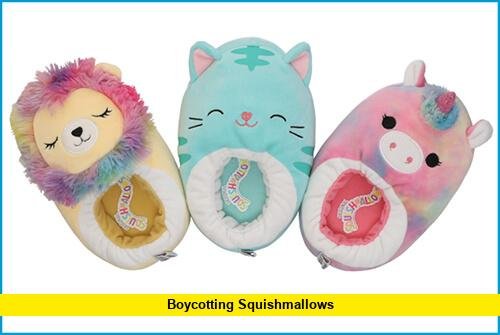

Boycotting Squishmallows has become a major talking point among shoppers as calls for a boycott intensify following the CEO’s public support for Israel. With Black Friday approaching, the growing backlash threatens to shape not just holiday sales but also the long-term perception of one of the world’s most beloved plush toy brands.
Why Squishmallows Are in the Spotlight
Squishmallows are not just toys—they are a global sensation. Launched in 2017, they quickly became household staples, adored for their soft texture, cute faces, and collectible nature. With millions of plushes sold worldwide, Squishmallows are frequently at the top of children’s wish lists and dominate social media communities dedicated to collecting.
Their cultural status makes the current backlash even more impactful. Squishmallows are no longer seen as just a brand but as a lifestyle item for kids, teens, and adult collectors. That popularity now collides with consumer activism, as critics call for boycotting Squishmallows in response to the company’s leadership taking a political stance.
The Catalyst: CEO’s Support for Israel
The controversy stems from actions taken by Judd Zebersky, CEO of Jazwares, the company that owns Squishmallows. Zebersky publicly expressed support for Israel amid the country’s ongoing conflict with Hamas. Beyond statements, donations were made to Israeli organizations and charitable groups connected to the conflict.
For critics, these actions crossed a line. They argue that toy brands should remain neutral and avoid engaging in politically charged conflicts. Purchases of Squishmallows, they claim, now indirectly contribute to supporting one side of a war.
This perception fueled an online movement where boycotting Squishmallows became a symbolic form of protest.
How the Boycott Took Hold
Boycotts often begin online, and this one is no different. On platforms such as X (formerly Twitter), TikTok, Tumblr, and Instagram, hashtags and posts calling for consumers to stop buying Squishmallows gained traction.
The messaging usually falls into three categories:
- Direct Boycott Calls: Urging consumers to stop buying Squishmallows altogether.
- Alternative Promotion: Suggesting other plush brands that don’t have political ties.
- Awareness Campaigns: Educating fans who may be unaware of the CEO’s actions.
Many posts emphasize that boycotting Squishmallows is not just about plush toys but about holding companies accountable when executives engage in controversial political stances.
Timing Makes the Impact Bigger
The controversy arrives at a crucial moment. Black Friday and the holiday season are the lifeblood of toy sales. Squishmallows typically dominate store shelves, online promotions, and holiday gift guides. A significant boycott campaign during this period could create both immediate financial losses and long-term consumer hesitation.
Retail experts point out that boycotts are most effective when they disrupt peak sales periods. With Squishmallows being one of the most purchased toy lines during holidays, the timing of this backlash could not be worse for Jazwares.
Consumer Reactions and Divisions
The boycott has created clear divides among Squishmallows’ customer base:
- Parents: Some parents are reconsidering purchases for their children, saying they do not want holiday gifts tied to political controversy. Others argue that toys should remain separate from politics.
- Collectors: Dedicated collectors face a dilemma. Many express disappointment but admit they struggle to give up a brand that has been central to their hobby.
- General Shoppers: Casual buyers may not be deeply engaged in the political debate but are being influenced by the constant exposure to boycott calls on social media.
This range of responses shows that boycotting Squishmallows may not lead to an immediate collapse in sales, but it could damage trust among core fans who often drive the brand’s visibility.
Business Implications of the Boycott
If boycotting Squishmallows gains significant traction, several outcomes are possible:
- Revenue Decline: Even a modest dip in Black Friday and holiday sales could be a red flag for retailers.
- Competitor Advantage: Smaller plush brands may benefit from frustrated Squishmallows buyers looking for alternatives.
- Retail Pressure: If the controversy grows, big-box retailers could face pressure to reduce promotions or diversify plush offerings.
- Long-Term Reputation: A brand associated with political controversy may lose the “comfort item” status that made Squishmallows so successful in the first place.
For a brand built on warmth, inclusivity, and fun, the risk of being tied to political division is especially damaging.
What the Company Has Said So Far
Despite the noise, Jazwares and its leadership have not issued a public response addressing boycott concerns directly. Instead, the company continues to focus on product launches, seasonal promotions, and collaborations.
This silence leaves consumers to interpret the company’s position on their own. For some, the lack of acknowledgment feels dismissive. For others, it reinforces the belief that corporations should remain neutral and avoid public engagement in politically sensitive matters.
Lessons from Past Boycotts
History shows that consumer boycotts can have mixed results:
- Some campaigns fade quickly if public attention shifts.
- Others leave long-lasting marks on brands, especially when tied to ethical or political issues.
- Boycotts tied to highly visible holidays, like Black Friday or Christmas shopping, often generate stronger pressure.
Squishmallows now finds itself in a similar test. Whether this boycott endures or fades will depend on how much energy supporters sustain and whether the company chooses to respond.
What to Watch Next
Several factors will determine the boycott’s future impact:
- Black Friday Sales Reports: A noticeable dip in sales could prove the boycott is working.
- Social Media Trends: If posts about boycotting Squishmallows continue trending into December, the issue may persist into the new year.
- Company Response: Any official statement, apology, or clarification from Jazwares could shift the conversation.
- Retailer Action: Moves by major retailers, either to distance themselves from controversy or double down on Squishmallows promotions, will signal the strength of the movement.
Closing Thoughts
Boycotting Squishmallows has become more than a niche internet trend. It reflects a growing reality in consumer culture: shoppers now expect companies and their leaders to be accountable for political and ethical positions.
For Squishmallows, the controversy could reshape its reputation, especially if holiday sales fall short of expectations. What was once a brand synonymous with comfort and cuteness now finds itself caught in the storm of consumer activism.
As Black Friday approaches, the question remains: will boycotting Squishmallows truly change buying habits, or will the plush toy empire remain strong despite the backlash? Share your perspective in the comments and let’s see how this unfolds.