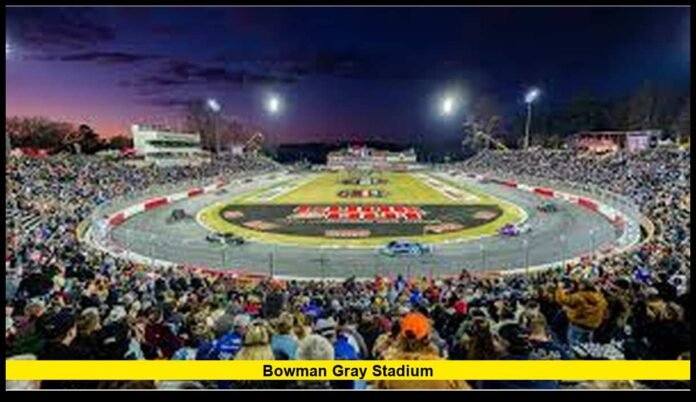

Bowman Gray Stadium returned to the national spotlight in early February 2026 as the historic Winston-Salem short track hosted the NASCAR Cook Out Clash amid significant winter weather disruptions. Snow, freezing temperatures, and schedule adjustments created one of the most unusual preseason race weeks in recent memory, yet the quarter-mile oval once again proved why it holds a special place in American motorsports.
The exhibition event officially opened NASCAR’s 2026 Cup Series calendar. While the Clash does not award championship points, it carries major importance for teams looking to establish momentum before the regular season begins. This year’s edition combined tight short-track competition with weather-related uncertainty, adding urgency and drama to every session.
A North Carolina Icon With Deep NASCAR Roots
Located in Winston-Salem, North Carolina, Bowman Gray Stadium first opened in 1938 as a multi-purpose athletic facility. NASCAR-sanctioned racing began there in 1949, making it one of the sport’s oldest continuously operating weekly tracks.
The stadium hosted NASCAR’s top division from 1958 through 1971. Many of the sport’s early stars competed on the tight oval, where tempers often flared and rivalries intensified. The nickname “The Madhouse” emerged from the passionate fan base and aggressive style of racing that became synonymous with the track.
Unlike large superspeedways, Bowman Gray features a flat quarter-mile layout with sharp corners and limited runoff space. Drivers must manage throttle control carefully while defending position in close quarters. Passing requires patience, timing, and often physical contact.
That gritty identity remains intact today.
Return of the Cup Series Exhibition
NASCAR reintroduced top-level competition to Bowman Gray Stadium with the Cook Out Clash in 2025. The move signaled a renewed focus on short-track racing and grassroots tradition. Fans responded enthusiastically, filling the grandstands and generating strong television ratings.
The 2026 Cook Out Clash built on that momentum. Teams arrived in Winston-Salem with refined setups and clearer expectations about how to attack the quarter-mile oval. However, winter weather quickly complicated those plans.
Winter Storm Forces Schedule Changes
A powerful winter system swept through North Carolina during race week. Heavy snowfall and icy road conditions forced NASCAR officials to adjust the event schedule multiple times.
Originally planned as a weekend showcase, practice and qualifying sessions were postponed as crews worked to clear snow and ensure safe travel conditions for teams and fans. Cold temperatures lingered, creating additional challenges for track preparation.
After evaluating forecasts and surface conditions, officials moved the main event to Wednesday, February 4, 2026. The condensed format required teams to adapt quickly, leaving minimal margin for setup experimentation.
Despite the disruptions, NASCAR confirmed the Clash would proceed once the racing surface met safety standards. Crews monitored moisture levels closely throughout the day as temperatures hovered near freezing.
Qualifying Sets the Stage
The unique format of the Cook Out Clash limits the field to 23 drivers, which increases the pressure during qualifying. Every lap carries weight, especially on a short track where tenths of a second separate the field.
Kyle Larson delivered a standout performance by capturing the pole position with a 14.137-second lap. His speed and control around the tight corners gave him a prime starting spot for the 200-lap exhibition.
William Byron secured a front-row start alongside Larson, positioning himself for an early challenge at the green flag.
Other key developments included:
- Josh Berry earned his way into the main event by winning the Last Chance Qualifier.
- Alex Bowman secured a starting position through provisional criteria based on prior performance.
- Several established drivers failed to qualify on speed due to the limited field size.
The shortened preparation time heightened the importance of track position. Passing at Bowman Gray often requires contact or strategic timing during restarts.
Race Dynamics on a Quarter-Mile Battlefield
The 200-lap Cook Out Clash format rewards aggression but punishes mistakes. On a track this small, lapped traffic becomes a factor quickly. Drivers must navigate slower cars while defending against challengers directly behind them.
Restarts carry significant impact. The tight first corner creates opportunities for inside moves but leaves little room for error. Even minor contact can shift momentum dramatically.
Weather conditions added another strategic layer. Teams monitored track grip throughout the event, adjusting tire pressure and chassis settings to maintain balance on the cold surface.
Unlike high-speed ovals, Bowman Gray emphasizes mechanical grip over aerodynamic advantage. Drivers rely heavily on braking precision and throttle modulation. One miscalculated entry can lead to lost positions in a matter of seconds.
Fan Experience Remains Intense
Despite freezing temperatures, fans packed into the stadium for race day. The compact design keeps spectators close to the action. From the grandstands, fans can see the entire circuit without obstruction.
Every bump and battle feels immediate. The sound of engines echoes within the stadium walls, amplifying the atmosphere. For many attendees, the Clash represents a blend of nostalgia and modern competition.
Local businesses in Winston-Salem also benefit from the influx of visitors during race week. Hotels, restaurants, and retail shops see increased activity as fans travel from across the region.
The winter conditions created travel challenges, yet turnout remained strong, underscoring the event’s growing importance.
Short-Track Racing Gains Renewed Attention
In recent seasons, NASCAR leadership has emphasized the value of short-track competition. Many longtime fans prefer the close contact and strategy that smaller venues provide.
Bowman Gray Stadium exemplifies that philosophy. The limited space compresses the field and forces drivers into constant decision-making.
Short tracks often produce more lead changes and on-track confrontations compared to larger circuits. The Cook Out Clash serves as an ideal showcase for that style of racing.
The 2026 edition reinforced why short-track events hold a loyal following. Every lap carried tension, especially as drivers fought for position under unpredictable weather conditions.
Community Racing Continues in 2026
While national attention focuses on the Clash, Bowman Gray Stadium maintains a robust weekly racing schedule. The 2026 season will feature Modified, Sportsman, Street Stock, and Stadium Stock divisions beginning in the spring.
These grassroots divisions form the backbone of the track’s identity. Local drivers compete in front of dedicated fans, sustaining traditions that date back decades.
The blend of community racing and major exhibition events strengthens the stadium’s reputation. It remains one of the few venues where national and regional competition coexist within the same facility.
Operational Improvements and Modern Enhancements
In preparation for hosting national events, the stadium has undergone upgrades in recent years. Improvements include infrastructure enhancements, safety barrier updates, and broadcast accommodations.
These changes allow Bowman Gray to meet modern NASCAR standards while preserving its historic layout. The quarter-mile configuration remains intact, ensuring the racing product stays authentic.
Officials have emphasized maintaining the track’s character rather than transforming it into a conventional facility. That balance helps retain its identity while supporting national exposure.
Impact on the 2026 NASCAR Season
Although the Cook Out Clash does not award points, it offers valuable data for teams. Drivers gain experience under competitive conditions before the official season opener.
Crew chiefs analyze tire wear, braking performance, and chassis balance. Those insights often influence preparation strategies for upcoming short-track races later in the year.
Momentum also matters. A strong performance in the Clash can boost confidence heading into the regular season. Conversely, early struggles may prompt adjustments before points racing begins.
The winter storm disruptions tested teams’ flexibility and preparedness. Quick schedule shifts required efficient communication and streamlined setups.
A Venue That Blends Tradition and Modern Competition
Bowman Gray Stadium continues to represent NASCAR’s connection to its roots. The tight oval, passionate crowd, and unpredictable racing reflect the sport’s early identity.
At the same time, modern technology, broadcast reach, and national sponsorship bring contemporary energy to the historic facility.
The 2026 Cook Out Clash demonstrated that even severe weather cannot overshadow the appeal of short-track competition. Drivers battled changing conditions, crews adapted to compressed schedules, and fans embraced the intensity.
The stadium remains more than a race venue. It serves as a symbol of resilience and tradition within American motorsports.
Looking Ahead
With the exhibition event complete, attention now shifts to the full NASCAR Cup Series schedule. Teams will apply lessons learned from Winston-Salem as they prepare for the official season opener.
Meanwhile, Bowman Gray Stadium will transition back to its weekly racing calendar, welcoming local competitors and loyal supporters in the coming months.
The combination of national visibility and grassroots loyalty ensures that this North Carolina landmark continues to thrive in 2026.
What stood out most to you from the 2026 action at Bowman Gray Stadium? Share your thoughts and follow along as the racing season continues.