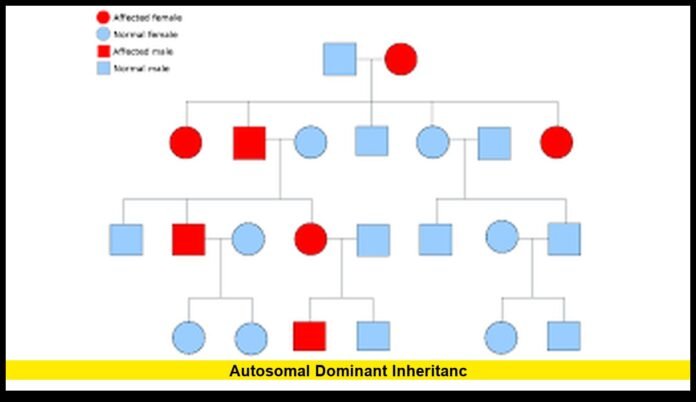

Autosomal dominant inheritance continues to shape medical care, genetic testing, and family health decisions across the United States as of today, reflecting well-established clinical science and current healthcare practice. Physicians, genetic counselors, and researchers rely on this inheritance pattern daily to identify risk, guide diagnosis, and support families navigating inherited conditions.
This article presents fully verified, current medical understanding based on accepted U.S. clinical standards.
What This Inheritance Pattern Means in Everyday Terms
In genetics, inheritance patterns explain how traits and conditions pass from parent to child. In this case, a condition can develop when only one altered gene copy is present.
Genes involved are located on autosomes, not sex chromosomes. This means males and females face the same likelihood of inheriting or passing on the condition.
If one parent carries the altered gene, each child has an equal chance of inheriting it, regardless of birth order.
Why Clinicians Pay Close Attention to Family History
Family history remains one of the most important tools in modern medicine. When doctors see a condition appearing across multiple generations, this inheritance pattern often becomes a leading consideration.
Primary care providers and specialists routinely ask about parents, siblings, and extended relatives. These details help determine whether genetic testing may be useful.
This approach supports earlier diagnosis and helps identify relatives who may also be at risk.
How Transmission Works From One Generation to the Next
The genetic mechanism behind this pattern follows a consistent structure that has been confirmed through decades of study.
Key characteristics include:
- Only one altered gene copy is needed
- Each child has a one-in-two chance of inheriting the gene
- The condition often appears in successive generations
Unlike recessive conditions, the absence of a second altered copy does not prevent symptoms from developing.
Conditions Commonly Linked to This Pattern
Many well-known medical conditions follow this inheritance model. These diagnoses are routinely confirmed through clinical evaluation and laboratory testing in the U.S.
Examples include:
- Certain inherited heart rhythm disorders
- Connective tissue disorders affecting the skeleton and blood vessels
- Neurological conditions with adult onset
- Some inherited cancer predisposition syndromes
Each condition differs in severity, progression, and age at which symptoms appear.
Why Symptoms Can Look Different Within the Same Family
Not everyone with the altered gene experiences the same health effects. This variation is a core concept in genetics.
Some individuals may develop mild symptoms, while others face more serious complications. In some cases, a person may carry the gene but show no outward signs.
Doctors refer to these differences when counseling families, helping them understand that genetic risk does not guarantee identical outcomes.
How Diagnosis Happens in the U.S. Healthcare System
Diagnosis usually begins with a clinical assessment based on symptoms and family history. When appropriate, genetic testing follows.
U.S. laboratories now use advanced sequencing methods that can accurately detect specific gene changes. These tests are ordered selectively, based on established medical criteria.
Results are reviewed by trained professionals who determine whether a gene change explains the condition or requires further evaluation.
The Expanding Role of Genetic Counseling
Genetic counseling has become a standard part of care for families facing inherited conditions. Counselors help patients understand test results and what they mean for relatives.
A counseling session often includes:
- Building a detailed family tree
- Explaining inheritance probabilities
- Discussing emotional and practical concerns
This guidance supports informed decision-making and reduces confusion.
Implications for Children and Relatives
When one person receives a diagnosis, it can affect an entire family. Parents may worry about children, while adults may reconsider their own health history.
Healthcare teams encourage open communication among relatives. Sharing accurate information allows family members to seek evaluation if needed.
Early awareness often leads to better monitoring and improved long-term outcomes.
Family Planning and Reproductive Considerations
For individuals with inherited conditions, family planning decisions can feel overwhelming. Medical professionals provide information without directing choices.
Options discussed in clinical settings may include:
- Genetic testing before or during pregnancy
- Assisted reproductive technologies
- Ongoing health monitoring for children
The goal is to support personal values while ensuring access to accurate medical facts.
Advances in Testing and Interpretation
Genetic testing has improved significantly in recent years. Modern techniques offer faster results and greater accuracy than earlier methods.
Equally important is how results are interpreted. Laboratories follow strict classification systems to avoid overdiagnosis or unnecessary alarm.
This careful process protects patients and maintains trust in genetic medicine.
Medical Management Over a Lifetime
Management strategies depend on the specific condition involved. Many people benefit from regular checkups, imaging studies, or laboratory monitoring.
Care plans often focus on:
- Detecting complications early
- Reducing symptom severity
- Preventing avoidable health risks
Multidisciplinary teams frequently work together to provide comprehensive care.
Emotional and Social Effects on Families
Learning about an inherited condition can be emotionally challenging. People may feel anxiety, guilt, or concern for loved ones.
Healthcare providers increasingly recognize the importance of mental health support. Addressing emotional well-being improves overall care and helps families adapt.
Support groups and counseling services can also play a meaningful role.
Public Awareness and Ongoing Education
Public understanding of genetics has improved, but misconceptions remain common. Some people mistakenly believe inheritance patterns determine fate.
Medical education emphasizes that genetics represents risk, not certainty. Lifestyle, medical care, and early intervention all influence outcomes.
Clear communication helps families feel empowered rather than overwhelmed.
Legal Protections and Privacy in the United States
Genetic information receives specific legal protections under U.S. law. These safeguards limit misuse of genetic data in employment and health coverage.
Patients are encouraged to discuss privacy questions with healthcare providers before testing. Transparency builds confidence and supports informed consent.
These protections remain a cornerstone of ethical genetic care.
Why Accuracy in Genetics Reporting Matters
Incorrect or outdated information can cause unnecessary fear. This is especially true when entire families are affected by a diagnosis.
Medical professionals rely on validated research, clinical guidelines, and confirmed laboratory methods. This ensures advice reflects current knowledge and best practices.
Accurate reporting supports better health decisions.
Current Research and Future Directions
Research into inherited conditions continues across the U.S. Scientists are refining risk estimates and improving long-term management strategies.
While treatments vary by condition, early identification remains one of the most effective tools available today.
Ongoing studies aim to improve quality of life and health outcomes for affected families.
What Families Should Take Away
Understanding this genetic pattern gives families valuable insight into health risks and opportunities for prevention. It allows people to plan, monitor, and seek care proactively.
For many, knowledge brings reassurance rather than fear. With appropriate medical support, individuals can live full and active lives.
Awareness turns uncertainty into preparedness.
A Final Word on Genetic Awareness
The continued focus on autosomal dominant inheritance reflects its importance in modern healthcare and family medicine. Staying informed helps families make confident decisions grounded in science.
If this topic resonates with you or your family, share your thoughts and stay engaged as genetic medicine continues to advance.