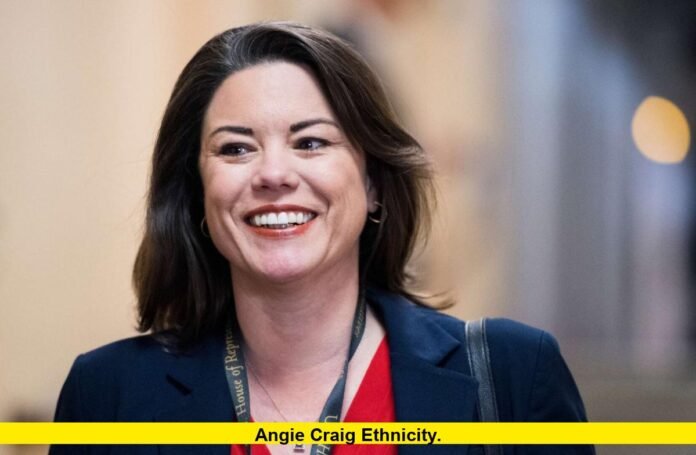

Many readers searching for biographical details about the Minnesota congresswoman ask a direct question: angie craig ethnicity. As of today, based on all publicly available and confirmed information, Angie Craig has not made any official, specific public statement identifying her racial or ethnic background. What is clearly documented and verified is her nationality, birthplace, upbringing, and personal history, which together form the factual framework for understanding her background.
This article presents what is known, what is not formally documented, and how her life story, family roots, and public service shape her identity in the national spotlight.
Birthplace and National Identity
Angie Craig was born in West Helena, Arkansas, in the United States. She is an American citizen by birth and has spent her life in the U.S., building her education, career, and political service within the country.
Her biography consistently describes her as an American lawmaker who grew up in the South and later established her life and career in the Midwest. Her nationality is clearly identified as American, but her specific racial or ethnic classification is not officially listed in any public biography or personal statement.
Why Ethnicity Is Not Officially Listed
In U.S. political biographies, some public figures openly self-identify their racial or ethnic background, while others do not. In Angie Craig’s case, her publicly available profiles, official records, and personal statements focus on:
- Her working-class upbringing
- Being raised by a single mother
- Her education and professional career
- Her family life
- Her role as an openly LGBTQ+ elected official
They do not include a specific declaration of ethnic heritage, such as identifying as belonging to a particular racial group or ancestral origin.
Because no verified public record confirms a defined ethnic identity, it would be inaccurate and speculative to assign one. Responsible reporting requires stating only what has been clearly and formally documented.
Cultural Background and Upbringing
While a precise ethnic label is not publicly stated, Angie Craig’s cultural background is closely tied to her upbringing in the American South and her later life in the Upper Midwest.
She was raised in Arkansas in a working-class household by a single mother. That experience shaped her values, worldview, and political priorities. Her early life included:
- Growing up in a rural Southern environment
- Attending public schools
- Working her way through college
- Building a career in journalism and communications
These elements form a cultural and social identity rooted in class experience, regional influence, and personal resilience rather than in a publicly defined ethnic category.
From Southern Roots to Midwestern Leadership
After completing her education and early career, Craig moved to Minnesota, where she eventually entered public service. Her transition from the South to the Midwest is a central part of her life story and public identity.
In Minnesota, she built a professional career, raised a family, and became active in community and political life. Her regional journey reflects the experiences of many Americans who relocate for opportunity and establish new roots while carrying forward the values of their upbringing.
Public Identity and Representation
Angie Craig is widely recognized for several historic and personal milestones, including:
- Being one of the first openly lesbian mothers elected to Congress
- Representing a competitive congressional district
- Serving in leadership roles on major House committees
Her public identity is most clearly defined by her roles as a lawmaker, spouse, parent, and advocate for equality, rather than by an explicitly stated ethnic classification.
In modern political discourse, some leaders choose to center their racial or ethnic heritage as part of their public narrative, while others focus on socioeconomic background, regional culture, or life experience. Craig’s public story aligns with the latter approach.
How Ethnicity Is Treated in Official Biographies
Official congressional biographies typically include:
- Date and place of birth
- Education
- Career history
- Family information
- Political service
They do not always include racial or ethnic descriptors unless the individual has publicly emphasized that aspect of identity. In Craig’s case, the emphasis remains on her professional qualifications, policy priorities, and personal journey rather than on ancestral classification.
The Role of Personal Privacy
Another reason specific ethnic details may not be publicly documented is personal choice. Public figures retain the right to define which aspects of their identity they share openly and which they keep private.
While Craig has been open about her family life, her experiences as a mother, and her identity as a member of the LGBTQ+ community, she has not publicly framed her story around a particular ethnic heritage. Respecting that boundary is part of accurate and ethical reporting.
Verified Facts That Frame Her Background
What is firmly established and verifiable includes:
- She is American by nationality.
- She was born and raised in Arkansas.
- She comes from a working-class family background.
- She built her career through education, journalism, and corporate communications.
- She later became a Minnesota resident and was elected to Congress.
These facts provide a reliable understanding of her background without assigning unverified ethnic labels.
Public Interest and Search Trends
Search interest in personal details about elected officials has grown in recent years. Voters increasingly want to understand the life experiences that shape their representatives’ perspectives.
The question of ethnicity often arises in that context, as Americans seek to understand how heritage, culture, and upbringing influence leadership. In Angie Craig’s case, the most clearly documented influences are socioeconomic background, regional culture, and family life.
Why Accuracy Matters
In discussions of race and ethnicity, accuracy is especially important. Assigning an ethnic identity without a public, verified statement can lead to misinformation and misunderstanding.
For Angie Craig, the responsible and factual position is straightforward:
- Her specific ethnic background has not been officially or publicly defined.
- Her nationality and life history are well documented.
- Her public identity centers on her career, family, and advocacy rather than on an ethnic label.
Understanding Identity Beyond Labels
Identity is multi-layered. For some public figures, ethnicity is a central part of their narrative. For others, class background, geography, profession, or personal experiences take precedence.
Craig’s story emphasizes:
- Growing up with limited resources
- Earning educational opportunities
- Building a family
- Serving in national office
- Advocating for equal rights and economic security
These elements form the core of how she presents herself to the public.
Current Status as of Today
As of today, there is no newly released, verified information that publicly specifies Angie Craig’s racial or ethnic classification. Her official biographies and public records continue to describe her nationality, birthplace, and career without attaching a defined ethnic label.
Any claim assigning a specific ethnicity would go beyond confirmed facts and enter the realm of assumption, which responsible reporting avoids.
The Broader Context of Representation
While her exact ethnic heritage is not publicly stated, Craig’s presence in Congress contributes to broader representation in other important dimensions, including gender, sexual orientation, and family structure.
Her career reflects ongoing changes in who holds political power in the United States and how leadership increasingly mirrors the diversity of American society in many forms.
What are your thoughts on how personal background and life experience shape public leadership? Join the conversation and stay connected for more in-depth profiles of today’s national figures.