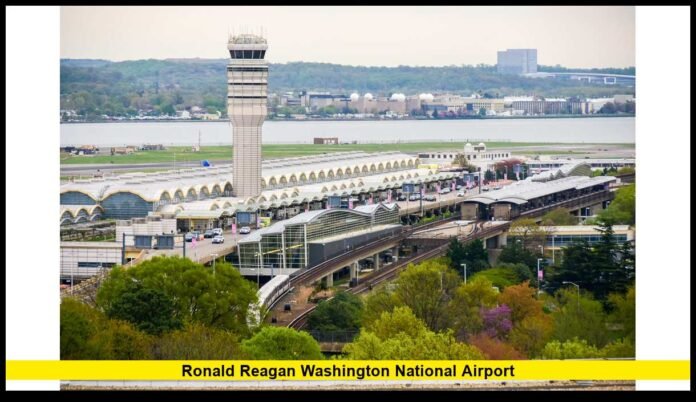

Ronald Reagan Washington National Airport is one of the most convenient airports serving the Washington, D.C., metropolitan area. Located just across the Potomac River in Arlington, Virginia, the airport offers travelers quick access to downtown Washington, major federal institutions, business districts, historic attractions, and neighborhoods throughout Northern Virginia.
Known by its airport code DCA, Reagan National is especially popular with business travelers, government employees, tourists visiting the nation’s capital, and residents traveling throughout the United States. Its location near the center of Washington makes it a major alternative to Washington Dulles International Airport, which is farther west in Virginia.
The airport is currently undergoing significant modernization, including terminal improvements, upgraded passenger facilities, new dining options, changes to security checkpoint arrangements, and investments in aviation safety and airport operations. These developments are particularly important as the airport prepares for continued holiday travel and the nation’s upcoming 250th-anniversary celebrations in 2026.
For travelers planning a trip through DCA, understanding the airport’s location, terminal layout, transportation connections, parking options, and latest improvements can make the journey significantly easier.
Where Is Ronald Reagan Washington National Airport Located?
Ronald Reagan Washington National Airport is located in Arlington, Virginia, along the Potomac River, immediately south of Washington, D.C. Although its name includes Washington, the airport is physically situated in Virginia and serves the wider National Capital Region.
Its proximity to the nation’s capital is one of its biggest advantages. Travelers can reach central Washington relatively quickly by car, taxi, rideshare, or Metro, depending on traffic and their destination.
The airport’s official address for navigation is:
- Airport: Ronald Reagan Washington National Airport
- Airport code: DCA
- Location: Arlington, Virginia
- Street address: 2401 Smith Boulevard, Arlington, VA 22202
- Airport operator: Metropolitan Washington Airports Authority (MWAA)
The airport is positioned near major highways, including the George Washington Memorial Parkway, Interstate 395, and Route 1. Its location also makes it convenient for travelers visiting Alexandria, Crystal City, Pentagon City, downtown Washington, and other parts of Northern Virginia.
Why Ronald Reagan Washington National Airport Is Important
Reagan National occupies an important position in the Washington area’s transportation network. Its close proximity to downtown Washington makes it particularly attractive to passengers who want to minimize the time spent traveling between the airport and the city.
Unlike airports located farther outside major metropolitan areas, DCA allows travelers to reach many Washington destinations without spending an extended period on airport access roads.
The airport serves several types of travelers:
- Federal government employees and contractors
- Business travelers visiting Washington
- Tourists visiting national monuments and museums
- Residents of Washington, Maryland, and Northern Virginia
- Passengers connecting to other domestic destinations
- Visitors attending conferences, political events, and business meetings
The airport’s location is also strategically important because it operates within highly restricted and carefully managed airspace surrounding the nation’s capital.
Ronald Reagan Washington National Airport Airport Code
The airport’s official three-letter airline code is DCA.
Travelers may see DCA displayed on:
- Airline tickets
- Boarding passes
- Flight schedules
- Baggage tags
- Airport arrival and departure information
- Airline websites and mobile applications
When searching for flights to Washington, passengers should understand that the Washington region has multiple major airports.
DCA: Ronald Reagan Washington National Airport, located in Arlington, Virginia, close to Washington, D.C.
IAD: Washington Dulles International Airport, located farther west in Virginia.
BWI: Baltimore/Washington International Thurgood Marshall Airport, located in Maryland.
Choosing between these airports can affect travel time, transportation costs, parking expenses, and the overall convenience of a trip.
Airport Terminals and Passenger Facilities
Ronald Reagan Washington National Airport has two main passenger terminals, commonly identified as Terminal 1 and Terminal 2.
The terminals serve domestic passengers and provide access to airline check-in areas, security screening, gates, restaurants, retail stores, passenger services, and other airport facilities.
Terminal 1 is the airport’s historic terminal and has undergone improvements over the years to accommodate modern passenger needs.
Terminal 2 is the larger terminal complex and contains multiple concourses and gate areas. It is also a major focus of the airport’s modernization work.
Passengers should always confirm their terminal and gate information directly through their airline because terminal arrangements, gate assignments, and airport construction activities can affect how travelers navigate the facility.
Terminal 1 at Reagan National Airport
Terminal 1 provides airline check-in, security screening, passenger waiting areas, and access to gates.
The terminal is smaller than Terminal 2, which can make it easier for some passengers to navigate. However, travelers should not assume that every airline or flight uses the same terminal throughout the year.
Before leaving home, passengers should check their airline’s app or travel documents to confirm where they need to check in.
Terminal 2 and Its Major Improvements
Terminal 2 is the primary focus of several passenger improvements taking place at Reagan National.
The airport’s DCA Reimagined initiative is a multi-year modernization effort designed to improve the passenger experience through upgraded restrooms, additional concessions, redesigned spaces, improved amenities, and changes to the terminal environment.
The improvements are intended to make the airport more comfortable while modernizing facilities that handle large numbers of passengers every day.
Construction may affect individual restrooms, shops, restaurants, walking routes, or passenger areas at different times. Travelers should therefore pay attention to airport signage and allow additional time when navigating Terminal 2.
For official project information, passengers can visit the airport’s DCA Reimagined modernization project page.
New Security Checkpoints and Passenger Navigation Changes
One of the most significant recent changes at Reagan National involves the airport’s security checkpoint and passenger flow arrangements.
The airport has introduced new consolidated security checkpoint facilities designed to improve passenger movement and provide more space beyond security. The changes are part of broader modernization work intended to create a more efficient airport experience.
Passengers should not rely solely on older airport maps or previously familiar routes. Depending on their airline, terminal, and departure gate, they may need to follow updated airport signage to reach the correct screening area.
The changes can be especially important for:
- Travelers who have not visited DCA recently
- Passengers traveling with children
- Older travelers
- Passengers with mobility limitations
- Travelers carrying multiple bags
- Passengers unfamiliar with the airport’s terminal layout
After clearing security, travelers should check their boarding pass and airport displays for the latest gate information.
Airlines Operating at Ronald Reagan Washington National Airport
DCA serves a variety of airlines offering domestic flights throughout the United States.
Airline services can change depending on seasonal schedules, route demand, operational decisions, and regulatory restrictions. Passengers should therefore verify their specific flight and airline information before traveling.
Reagan National is particularly important for flights connecting Washington with major business centers, regional destinations, and cities throughout the country.
Travelers may find flights to destinations including:
- New York
- Boston
- Chicago
- Atlanta
- Miami
- Dallas
- Los Angeles
- Denver
- Philadelphia
- Charlotte
- Nashville
- Detroit
- San Francisco
- Seattle
The actual destinations available depend on airline schedules and the time of year.
Why DCA Has Special Flight Restrictions
Ronald Reagan Washington National Airport is located close to the White House, the U.S. Capitol, the Pentagon, and other important government and national security facilities.
As a result, the airport operates within a tightly controlled airspace environment. Flight operations are subject to special procedures and restrictions designed to protect aircraft, passengers, and the surrounding region.
The airport is also subject to federal restrictions affecting the types of flights that may operate and how aircraft approach or depart.
These restrictions are one reason why Reagan National’s flight operations are different from those at many other major American airports.
Travelers may also notice that some flights follow specific departure or arrival routes because of airspace restrictions, noise-management procedures, and the airport’s geographic position.
Recent Aviation Safety Improvements at Reagan National
Airport safety and air traffic management have received increased attention following aviation safety concerns involving aircraft operating near the Washington area.
In 2026, federal aviation authorities and transportation officials continued implementing improvements intended to strengthen airport operations and enhance situational awareness.
One notable development was the installation of a new Surface Movement Radar system at Reagan National. The technology is designed to help air traffic controllers track aircraft and vehicles operating on runways and taxiways, including during challenging weather and visibility conditions.
The system is intended to support runway safety by helping controllers monitor airport surface activity and identify potential conflicts.
Airport safety improvements are particularly important at DCA because of its complex operating environment, limited runway space, heavy traffic, and proximity to controlled airspace around the nation’s capital.
Passengers should continue checking airline notifications because safety-related operational changes, weather, air traffic restrictions, and airport conditions can affect departure and arrival schedules.
How to Get to Ronald Reagan Washington National Airport
One of DCA’s strongest advantages is its extensive transportation connectivity.
Travelers can reach the airport using:
- Washington Metro
- Taxi services
- Uber and Lyft
- Private vehicles
- Rental cars
- Hotel shuttles
- Public transportation connections
- Airport parking facilities
The best option depends on the passenger’s destination, luggage, travel time, budget, and whether they are traveling during peak traffic periods.
Washington Metro: One of the Best Ways to Reach DCA
The Washington Metro is one of the most convenient ways to travel to Reagan National Airport.
The airport is directly connected to the Metrorail system through the Ronald Reagan Washington National Airport station, which serves the Blue and Yellow lines.
The station provides access to the airport through pedestrian connections serving the terminal complex. Passengers traveling from Washington, Arlington, Alexandria, Maryland, or other Metro-connected locations can often avoid airport roadway congestion by using rail transportation.
Metro can be particularly useful during:
- Thanksgiving travel
- Christmas and New Year’s travel
- Weekday rush hours
- Major Washington events
- Congressional sessions
- Large conferences
- Busy summer travel periods
Passengers should check Metro service information before departure because maintenance, track work, delays, or schedule adjustments can affect their journey.
The airport’s holiday travel guidance also recommends considering Metrorail as an alternative to driving during periods of heavy traffic.
Driving to Ronald Reagan Washington National Airport
Passengers driving to DCA should plan their route carefully.
The airport can be reached from several major roadways, including:
- George Washington Memorial Parkway
- Interstate 395
- U.S. Route 1
- Nearby regional highways connecting Virginia, Maryland, and Washington
Airport roadways can become congested during peak travel periods. Traffic conditions may be particularly challenging during holiday weekends, weekday rush hours, and periods of heavy passenger demand.
Drivers should check traffic conditions before leaving home and avoid arriving at the airport at the last minute.
The airport’s official directions page provides information for travelers approaching from Washington, Virginia, Maryland, and other areas. Passengers can use the official Reagan National Airport directions and transportation information to plan their route.
Airport Parking at DCA
Parking is available at Reagan National Airport, but availability can become limited during busy travel periods.
Passengers can use airport parking facilities for short visits, longer trips, and overnight stays. The airport also offers reservation-based parking options that allow travelers to plan ahead.
Parking reservations can be particularly useful during:
- Thanksgiving week
- Christmas
- New Year’s
- Spring break
- Summer vacation periods
- Major Washington-area events
Passengers who intend to park should check current availability and pricing before leaving home.
Airport parking facilities can experience high demand, and travelers who arrive without a reservation may need to search for available spaces or consider another transportation option.
Kiss & Fly and Express Passenger Drop-Off
Reagan National offers designated passenger drop-off options intended to reduce congestion and make airport access easier.
Passengers traveling with limited luggage and already holding a boarding pass may be able to use designated express drop-off areas, depending on their airline and current airport arrangements.
The airport’s designated drop-off systems are designed to provide a more convenient path toward terminal access and security screening.
Drivers should follow airport signs rather than stopping in restricted areas or attempting to use curbside locations that are not designated for passenger drop-off.
Airport roadway regulations are enforced to help maintain traffic flow and passenger safety.
Rideshare, Taxi, and Other Transportation Options
Passengers who do not want to use Metro or drive themselves can use taxis and rideshare services.
Uber and Lyft operate at Reagan National, with designated pickup areas that passengers should locate using airport signage and their rideshare applications.
Taxi services are also available for passengers who prefer traditional airport transportation.
For visitors traveling to hotels, business locations, tourist attractions, or residential areas, the final transportation cost may depend on:
- Distance
- Traffic conditions
- Time of day
- Demand for rideshare services
- Pickup location
- Vehicle type
- Tolls
Passengers should compare their transportation options before arrival, especially if they are traveling with a group or carrying substantial luggage.
Restaurants, Shopping, and Airport Amenities
Reagan National offers a range of food, beverage, retail, and passenger amenities throughout its terminal facilities.
Travelers can find options for quick meals, coffee, snacks, sit-down dining, shopping, and other services. The airport’s modernization program is also introducing and updating concession locations.
Recent concession additions and updates have included restaurants and dining brands serving different types of food, including options for travelers looking for quick meals or more substantial dining before boarding.
Passengers should check the airport’s current concession directory because restaurant locations, opening hours, and availability may change during construction.
Other passenger amenities may include:
- Free airport Wi-Fi
- Restrooms
- Nursing rooms
- Pet-relief areas
- Accessible facilities
- Airport information services
- Airline lounges
- Charging locations
- Passenger assistance services
Because some areas are undergoing renovation, travelers may encounter temporary closures or relocated facilities.
Traveling Through Reagan National During the 2026 Holiday Season
Holiday travel is one of the busiest periods for Washington-area airports.
The airport’s current holiday guidance advises passengers to arrive early, prepare for security screening, check their airline’s mobile application, and plan their transportation in advance.
The recommended arrival times are generally:
- Domestic flights: Arrive at least two hours before departure.
- International flights: Arrive at least three hours before departure.
Although Reagan National primarily serves domestic flights, passengers traveling on itineraries that involve international connections should carefully check their airline’s instructions.
The holiday season can bring increased congestion in airport terminals, parking garages, security checkpoints, and airport access roads. Travelers should also consider that road traffic around the airport may be heavier than usual.
The airport’s 2026 holiday travel guide provides additional information about transportation, parking, security preparation, and passenger planning.
REAL ID and Airport Security Requirements
Passengers flying within the United States should make sure they have an acceptable form of identification before arriving at the airport.
Travelers should review current Transportation Security Administration requirements and ensure their identification is valid and accepted for air travel.
Preparing identification and security requirements in advance can reduce the likelihood of delays at the checkpoint.
Passengers should also:
- Review carry-on baggage restrictions
- Check rules for liquids and gels
- Avoid packing prohibited items
- Prepare electronic devices when required
- Follow instructions from TSA officers
- Keep boarding passes accessible
- Allow extra time for screening
Travelers who use TSA PreCheck should confirm that their membership information is properly included in their airline reservation.
Accessibility and Special Assistance at DCA
Ronald Reagan Washington National Airport provides services designed to assist passengers with disabilities and travelers who require additional support.
Passengers who need wheelchair assistance, help navigating the airport, special accommodations, or other services should contact their airline before their travel date.
Advance planning is especially helpful when passengers need assistance moving between check-in areas, security checkpoints, gates, and aircraft.
Passengers should not wait until arriving at the airport to arrange assistance if they already know they will need it.
Airport construction may temporarily affect routes and facilities, so travelers requiring assistance should allow additional time and follow airport staff instructions.
Flight Status, Delays, and Airport Operations
Flight schedules at Reagan National can be affected by weather, air traffic conditions, staffing, airport construction, security operations, and other factors.
Passengers should check their flight status before leaving home and continue monitoring updates after arriving at the airport.
The most reliable information generally comes from the airline operating the flight because airlines provide updates about:
- Departure times
- Gate assignments
- Delays
- Cancellations
- Boarding announcements
- Baggage information
- Rebooking options
The airport may also experience temporary changes to operations during periods of weather disruption or high air traffic demand.
For the latest flight information, travelers should use their airline’s mobile application, official flight-status system, or airport departure and arrival displays.
What Travelers Should Watch for Next at Ronald Reagan Washington National Airport
Several developments are likely to remain important for passengers using DCA over the coming months.
Continued Terminal Modernization
The DCA Reimagined program is expected to continue improving Terminal 2 through construction, updated amenities, additional concessions, restroom improvements, and other passenger-focused upgrades.
Because the project is multi-year, travelers may encounter ongoing construction activity and temporary changes to airport facilities.
Holiday Travel Congestion
The airport expects substantial passenger activity during the year-end holiday period. Travelers should plan for possible congestion at parking facilities, terminal roadways, security checkpoints, and passenger areas.
Airport Safety and Technology Improvements
Modern air traffic management and airport surface-monitoring technology remain important priorities for DCA. Additional operational improvements may continue as aviation authorities work to strengthen safety and improve efficiency.
Changing Passenger Routes and Airport Layouts
New security arrangements and construction projects may change how passengers move through the airport.
Travelers who have not used Reagan National recently should avoid assuming that the airport layout is exactly the same as it was on a previous visit.
Travelers unfamiliar with airport codes can also learn what airport is DCA and understand where it is located in the Washington, D.C., metropolitan area.
Practical Tips for a Smooth Trip Through DCA
Passengers can make their airport experience easier by following a few basic steps.
Check your flight before leaving home. Confirm the departure time, terminal, airline, and any gate information available.
Arrive early. Allow at least two hours before domestic departures and three hours before international departures, particularly during busy periods.
Consider taking Metro. The airport’s connection to the Blue and Yellow lines can help passengers avoid roadway traffic.
Reserve parking in advance. Parking demand can increase sharply during holidays and peak travel periods.
Follow airport signs. Construction and checkpoint changes may affect walking routes.
Use your airline’s mobile application. Airline apps can provide timely updates about delays, gate changes, cancellations, and boarding.
Prepare for TSA screening. Review identification requirements and carry-on baggage rules before reaching the checkpoint.
Allow extra time for accessibility assistance. Travelers who require assistance should coordinate with their airline before the trip.
Keep essential items accessible. Boarding passes, identification, medications, chargers, and important travel documents should be easy to reach.
Do not rely on outdated airport information. Check current airport and airline updates shortly before traveling.
For official security preparation, travelers can review the Transportation Security Administration’s travel information before packing and heading to the airport.
Ronald Reagan Washington National Airport: What Travelers Need to Know
Ronald Reagan Washington National Airport remains one of the most convenient airports for travelers visiting Washington, D.C., and the surrounding metropolitan region. Its location near downtown Washington, direct Metro connections, domestic flight network, and access to Northern Virginia make it an important transportation hub for both business and leisure passengers.
The airport is also in the middle of significant modernization work. Improvements to terminal facilities, concessions, restrooms, security checkpoints, passenger navigation, and aviation technology are changing the travel experience at DCA.
For passengers traveling during the holiday season or planning future trips, the most important priorities are to check flight status, confirm terminal information, plan transportation, arrive early, and allow extra time for construction-related changes.
As the airport continues upgrading its facilities and preparing for increased travel demand, Reagan National is working to maintain its position as one of the most accessible airports serving the nation’s capital.
Have you recently traveled through Ronald Reagan Washington National Airport? Share your experience, travel tips, or thoughts about the airport’s latest improvements in the comments, and stay tuned for the latest airport and travel updates.