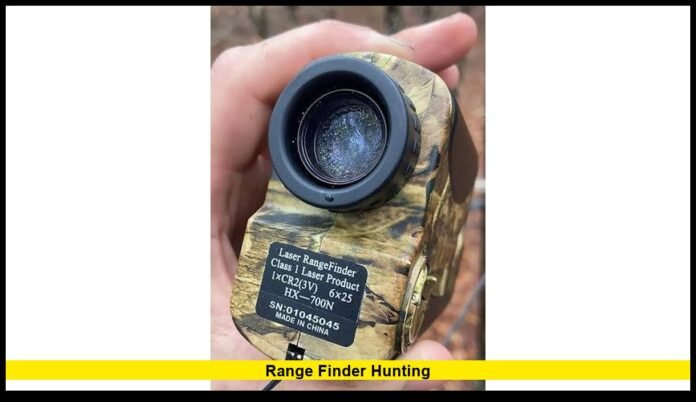

Range finder hunting is an increasingly popular topic among outdoor enthusiasts who want better distance awareness and a clearer understanding of the terrain around them. Modern rangefinders use optical and electronic technology to measure distances to visible objects, helping users gather information about landscapes, landmarks, and outdoor environments.
Today’s rangefinder market includes compact handheld devices, advanced laser models, rangefinder binoculars, and products with digital features such as angle measurement, display adjustments, and smartphone connectivity. With so many options available, choosing the right device requires understanding what rangefinders can do, how their technology works, and which specifications matter most.
A rangefinder can be a useful piece of outdoor equipment, but its effectiveness depends on the quality of the device, environmental conditions, and the user’s understanding of its limitations. Maximum distance claims, optical performance, durability, battery life, and ease of operation should all be considered before making a purchase.
This guide explains the basics of hunting rangefinders, their main features, modern technology, buying considerations, and common questions consumers may have when researching these devices.
Understanding Hunting Rangefinders
A rangefinder is an instrument that measures the distance between the user and a selected object. In outdoor settings, laser rangefinders are widely used because they combine a viewing system with electronic distance-measuring technology in a relatively small device.
Most handheld models are designed like compact monoculars. They include an eyepiece, an optical lens, electronic components, buttons, and a display that presents the measurement.
Depending on the product, a rangefinder may be used to measure distances to trees, rocks, hillsides, buildings, other landmarks, and visible objects. It can also be useful for scouting and observing unfamiliar locations.
Modern rangefinders are not all designed for the same purpose. Some focus on simple distance measurement, while others offer additional functions such as angle measurement, continuous scanning, multiple target modes, illuminated displays, or electronic connectivity.
Understanding these differences is important because the most expensive device is not necessarily the most practical choice. A buyer should consider how often the rangefinder will be used, the environments where it will be carried, and which features will provide genuine value.
How Laser Rangefinders Measure Distance
Many hunting rangefinders use laser technology to calculate distance. The device emits a short laser pulse toward a selected object and detects the signal that returns.
The electronics calculate the distance by measuring how long the signal takes to travel to the object and back. The result is then displayed on the screen.
The process generally involves several components working together:
- Laser transmitter: Sends the measurement signal toward the selected object.
- Receiver: Detects the returning signal.
- Processor: Calculates the distance based on the signal’s travel time.
- Optical system: Allows the user to view the object.
- Digital display: Presents the distance and other information.
- Control buttons: Activate measurements and change settings.
- Battery: Supplies power to the electronic system.
Although the technology can provide fast readings, measurement quality depends on several conditions. Target size, surface reflectivity, distance, weather, visibility, vegetation, and sunlight may affect performance.
A large reflective object may be easier for a rangefinder to measure than a smaller object with a dark or less reflective surface. Consequently, manufacturers may provide different range specifications for reflective targets, trees, and game-sized objects.
Why Hunters and Outdoor Enthusiasts Use Rangefinders
Distance estimation can be challenging in unfamiliar outdoor environments. Hills, valleys, open fields, dense vegetation, shadows, and changes in elevation can make objects appear closer or farther away than they actually are.
Rangefinders provide another way to obtain distance information. Users can measure visible landmarks and develop a better understanding of the landscape.
Their popularity has also increased because many devices are lightweight and portable. Compact models can be carried in pockets, small bags, or equipment pouches without adding substantial weight.
Modern rangefinders may also offer improved optical systems, clearer displays, better housing materials, and additional electronic functions. These developments have expanded the range of options available to consumers.
However, technology should not replace experience or careful observation. A rangefinder provides a measurement, but users still need to understand their surroundings and recognize the limitations of the device.
Features That Matter When Choosing a Rangefinder
The specifications of a rangefinder can influence its performance, comfort, and overall value. Buyers should compare several important characteristics rather than focusing on a single advertised number.
Measurement Range
The maximum measurement range is often highlighted in product descriptions. It indicates the longest distance a manufacturer reports under specified conditions.
However, maximum-range figures may be based on reflective targets or favorable environmental conditions. A rangefinder that can measure a reflective object at a very long distance may have a shorter effective range when measuring trees or smaller objects.
Consumers should look for target-specific range information and evaluate whether the device is suitable for the distances relevant to their outdoor activities.
Angle Measurement and Compensation
Some rangefinders include an inclinometer that measures the angle between the device and the object being observed.
When an object is located uphill or downhill, the straight-line distance may differ from the horizontal distance. Certain rangefinders can calculate an angle-adjusted measurement in addition to the direct distance.
The feature may be particularly useful in mountainous areas or locations with significant elevation changes.
Different manufacturers may use different terminology for angle compensation. Buyers should review the device’s manual to understand what information it provides and how the measurements are displayed.
Optical Clarity
Optical quality is one of the most important aspects of a rangefinder because users need to view objects clearly through the device.
Magnification, lens quality, contrast, coatings, field of view, and eye relief can all affect the viewing experience.
Higher magnification makes distant objects appear larger, but it may also make movement more noticeable when the device is handheld. A balanced optical design can be more practical than choosing a model based on magnification alone.
People who wear glasses should consider eye relief and eyepiece comfort before purchasing.
Display Quality
Rangefinder displays may use different technologies, including LCD and illuminated display systems.
The display should remain readable in the lighting conditions where the device is expected to be used. Bright sunlight, shadows, and lower-light environments can affect visibility.
Some models provide brightness adjustment, display-color options, or other settings that allow users to customize the information shown.
A clear display can make the device easier to operate, particularly when the user needs to understand a reading quickly.
Target Modes
Rangefinders may include several measurement modes designed to handle different viewing situations.
Depending on the model, these may include:
- Standard distance measurement
- Closest-target priority
- Farthest-target priority
- Continuous scanning
- Specialized measurement modes
These functions can help the electronic system prioritize objects at different distances. However, the names and capabilities vary by manufacturer, and the device may not always measure the exact object the user intends.
Learning how target modes work before using the rangefinder can help avoid misunderstandings.
Weather Protection
Outdoor equipment may be exposed to rain, dust, moisture, temperature changes, and accidental impacts.
Some rangefinders include protective rubber armor, sealed housing, water-resistant construction, and fog-resistant optics.
Buyers should check the exact protection specifications. A device described as water resistant should not automatically be assumed to be waterproof or suitable for immersion.
A protective case can also help reduce scratches, dust exposure, and damage during transportation.
Battery Performance
Rangefinders require power for their electronic systems. Some use replaceable batteries, while others include rechargeable power systems.
Battery life can vary depending on how frequently the device is used, display settings, temperature, and other electronic functions.
Cold weather may affect battery performance, making it important to check the battery before an outdoor trip. Users should also understand whether their device requires a specific battery type or charging method.
Weight and Comfort
Portability is another important consideration.
Compact rangefinders are generally convenient to carry, but size alone does not determine comfort. Grip design, button placement, eyepiece adjustment, and ease of operation also matter.
A device that is comfortable to hold and simple to operate may be more practical than one with numerous functions but an awkward design.
Different Rangefinder Designs Available on the Market
Rangefinders come in several designs, and each type offers different advantages.
Compact Handheld Rangefinders
Compact handheld rangefinders are designed for portability. They generally combine optical viewing and laser distance measurement in a small unit.
Their lightweight design makes them convenient for outdoor activities where carrying larger equipment may be impractical. Many models include basic measurement functions and may offer angle compensation or additional modes.
Basic Distance-Measuring Models
Basic rangefinders are generally focused on measuring distance without a large collection of advanced electronic features.
They may be easier to operate and less expensive than more sophisticated devices. For consumers who want straightforward functionality, a basic model may be a practical option.
Advanced Electronic Rangefinders
Advanced models may include several additional functions, such as Bluetooth connectivity, digital calculations, customized settings, multiple measurement modes, or compatibility with smartphone applications.
These features may appeal to users who want more information or prefer integrated technology. However, additional features can also increase the price and complexity of the device.
Rangefinder Binoculars
Rangefinder binoculars combine binocular-style observation with distance-measuring technology.
They may provide a wider viewing experience than compact monocular rangefinders and can be useful for users who want observation and measurement functions in one product.
Rangefinder binoculars are often larger and may cost more than handheld monocular models. Buyers should compare weight, optical quality, measurement functions, and overall comfort before choosing one.
Rangefinder Performance in Different Outdoor Conditions
The environment can affect how a rangefinder performs. Understanding these conditions can help consumers choose a device with suitable characteristics.
Open Landscapes
Open landscapes provide longer sightlines and fewer obstructions. Users may prioritize optical clarity, reliable distance measurement, and the ability to observe visible terrain features.
Bright sunlight, atmospheric haze, heat shimmer, and changing weather can affect visibility and measurement results. A rangefinder’s actual performance may differ from its maximum advertised range.
Wooded Environments
Forested locations can present additional challenges because multiple objects may appear in the viewing area.
Trees, branches, foliage, and other vegetation can create different measurement distances. The electronic system may receive a signal from an object other than the one the user intended to measure.
Some rangefinders offer target-priority modes, but these features do not eliminate every measurement challenge. Understanding the device and carefully interpreting the displayed information remain important.
Mountainous Areas
Mountain terrain often includes steep slopes and significant elevation changes.
A straight-line distance measurement may not be the same as the horizontal distance. Rangefinders with angle-measuring capabilities may provide additional information about the terrain.
These features can help users understand elevation relationships and visible landmarks. Mountain environments may also involve rapidly changing weather, so durability, battery performance, and optical clarity can become especially important.
Low-Light Environments
Outdoor conditions may involve limited natural light, particularly around dawn, dusk, or in heavily shaded locations.
Display visibility and optical performance can become more important under these circumstances. Some devices offer illuminated displays or adjustable brightness to improve readability.
However, electronic equipment cannot replace adequate visibility. Users should avoid making assumptions when conditions do not allow clear observation and identification.
Modern Rangefinder Technology and Features
The rangefinder market continues to evolve as manufacturers introduce new electronic capabilities and improvements in optical design.
Bluetooth Connectivity
Some rangefinders can connect to smartphones through Bluetooth.
Depending on the product, this may allow users to adjust settings, transfer information, or use compatible applications. Connectivity features vary, and Bluetooth is not necessary for basic distance measurement.
Consumers should determine whether the additional functions are useful before paying more for a connected device.
Electronic Calculations
Certain advanced rangefinders incorporate calculation features or connect to compatible software.
These systems may process distance, angle, or other information entered by the user. The quality of any calculated result depends on the device, software, inputs, and assumptions.
Electronic calculations should be understood as informational tools rather than guaranteed results.
Mapping and Digital Integration
Some products may support integration with digital mapping systems, location-related applications, or other outdoor technology.
These functions may help users organize location information or better understand the surrounding landscape. However, a rangefinder should not replace appropriate navigation equipment, maps, preparation, or knowledge of the environment.
Optical Improvements
Manufacturers continue to focus on lens quality, coatings, contrast, and viewing clarity.
Improved optics may create a more comfortable viewing experience and make visible objects easier to distinguish. Optical performance should be evaluated together with the device’s electronic measurement functions.
Smaller and Lighter Equipment
Many modern rangefinders are designed to be compact and portable.
Smaller devices may be easier to carry during extended outdoor activities. However, consumers should also evaluate grip comfort, controls, display visibility, and durability instead of focusing only on weight.
How to Select a Rangefinder That Fits Your Requirements
Choosing a rangefinder should begin with understanding what you expect from the device.
Some consumers want a simple instrument that provides distance measurements, while others prefer advanced products with additional electronic features. The right choice depends on the intended use, environment, budget, and personal preferences.
Before buying, consider the following factors:
- Measurement reliability: Compare the device’s performance specifications for different target types.
- Optical performance: Examine magnification, lens clarity, contrast, and field of view.
- Angle features: Determine whether angle measurement is useful for the environments where the device will be used.
- Display readability: Look for clear measurements and useful brightness adjustments.
- Measurement modes: Understand the functions available and how they operate.
- Durability: Check weather resistance, housing construction, and protective features.
- Battery system: Compare rechargeable and replaceable battery options.
- Portability: Consider dimensions, weight, grip, and carrying accessories.
- Ease of use: Review the controls and menu system.
- Warranty: Examine the manufacturer’s warranty and support policies.
- Price: Compare practical performance and useful features rather than marketing claims alone.
Consumers may also benefit from reviewing the manual before purchasing. Manufacturer documentation can explain the device’s measurement limitations, available settings, and recommended operating conditions.
Rangefinder Prices and Value
Rangefinder prices can vary significantly depending on the optical system, construction, electronic features, and manufacturer.
Entry-Level Rangefinders
Entry-level models may provide basic distance measurement and a relatively simple interface.
They can be suitable for consumers who do not need advanced electronic functions. Buyers should still check the quality of the optics, measurement specifications, durability, and warranty coverage.
Midrange Devices
Midrange products may offer a broader combination of features, including angle compensation, improved optical quality, multiple target modes, weather resistance, and better display systems.
For many consumers, this category may offer a practical balance between price and functionality. However, the value of a particular model depends on whether its features match the buyer’s needs.
Premium Rangefinders
Premium devices may feature enhanced optical systems, advanced electronic technology, additional calculations, connectivity, sophisticated displays, or digital integration.
These products may be attractive to users who want advanced capabilities in a single device. Nevertheless, a higher price does not automatically make a rangefinder the most suitable choice.
The best purchase is often the device that offers reliable performance and practical features without unnecessary complexity.
Responsible Use, Safety, and Outdoor Awareness
Rangefinders provide information, but they do not replace responsible decision-making.
Users should understand the limitations of electronic measurements and remain aware of environmental conditions, visibility, equipment performance, and applicable regulations.
Responsible use includes reading the manufacturer’s instructions, understanding the display and measurement modes, checking batteries, keeping optics clean, and avoiding assumptions when a measurement appears inconsistent.
Laser safety should also be taken seriously. Users should follow the manufacturer’s safety guidance and avoid directing laser emissions toward people, eyes, vehicles, aircraft, or other inappropriate targets.
Equipment should be used only in lawful and appropriate circumstances. Hunting regulations and equipment restrictions can differ according to location, species, season, and activity, so consumers should verify applicable rules before participating.
Common Mistakes When Purchasing a Rangefinder
Choosing Based Only on Advertised Distance
A maximum-range specification may be based on favorable conditions or reflective targets.
Consumers should compare measurement capabilities for different objects and consider whether the device’s practical performance meets their requirements.
Overlooking Optical Quality
Electronic features are important, but the viewing experience also matters.
Optical clarity, contrast, magnification, field of view, and eye relief can influence comfort and usability. A rangefinder with excellent electronic specifications may still be inconvenient if its optics are uncomfortable or difficult to use.
Ignoring Display Readability
The measurement display should be clear and easy to understand.
Consumers should review display technology, brightness adjustment, and available colors or settings when comparing models.
Buying Unnecessary Features
Advanced products may offer connectivity, mapping integration, additional calculations, and several measurement modes.
These features may be valuable for some users but unnecessary for others. Consumers should identify their priorities before purchasing.
Forgetting Battery Requirements
Battery life can be affected by temperature and usage.
Buyers should understand the power source, charging requirements, and whether replacement batteries are readily available.
Not Learning the Device
A rangefinder may include menus, measurement modes, and settings that are unfamiliar to new users.
Reading the manual and becoming familiar with the device before taking it outdoors can improve usability and reduce confusion.
Frequently Asked Questions About Range Finder Hunting
What does range finder hunting mean?
Range finder hunting refers to using distance-measuring equipment during hunting-related outdoor activities. Rangefinders can help users measure distances to visible objects and better understand the terrain and surrounding environment.
What is a hunting rangefinder used for?
A hunting rangefinder is used to measure the distance between the user and a selected object. It may be used for scouting, terrain observation, outdoor preparation, and general distance awareness.
Are laser rangefinders accurate?
Modern laser rangefinders can provide accurate distance measurements under suitable conditions. Performance may vary depending on the target, distance, weather, visibility, device specifications, and environmental factors.
What is angle compensation?
Angle compensation is a feature that measures elevation or slope information and may calculate a horizontal-distance measurement. It can provide additional information when viewing objects located uphill or downhill.
Do all hunting rangefinders have angle compensation?
No. Some devices provide basic line-of-sight measurements, while other models include angle-measuring features. Consumers should review the specifications and manual of the individual product.
Can a rangefinder work in rain or fog?
Some rangefinders may operate in certain weather conditions, but fog, rain, moisture, and atmospheric interference can affect measurement performance. Results may vary depending on the device and the environment.
Are expensive rangefinders better?
Premium rangefinders may offer improved optics, additional electronic functions, advanced displays, connectivity, or more sophisticated construction. However, the most expensive model is not necessarily the best option for every consumer.
Can rangefinders measure wildlife?
Many rangefinders are designed to measure game-sized objects, but their effective performance on wildlife may be lower than their maximum range on reflective targets. Target size, color, movement, and environmental conditions can affect measurements.
What is the difference between a rangefinder and binoculars?
A rangefinder primarily measures distance, while binoculars are designed mainly for viewing distant objects through magnified optics. Some products combine both functions, although dedicated devices may offer different advantages.
What is the best rangefinder for outdoor use?
There is no universally best rangefinder. The most suitable device depends on optical clarity, measurement performance, durability, display quality, portability, battery life, additional features, and budget.
Are rangefinders legal for hunting?
Equipment rules vary depending on the location, hunting season, species, and applicable regulations. Users should check current local rules before using electronic equipment during hunting activities.
Can a rangefinder replace outdoor experience?
No. A rangefinder can provide useful measurements, but it cannot replace observation, experience, environmental awareness, preparation, or responsible judgment. It should be used as a supporting tool.
Final Thoughts on Range Finder Hunting
Rangefinders have become an important part of modern outdoor equipment because they provide convenient distance information and help users better understand the landscapes around them. From basic handheld laser devices to advanced electronic systems, consumers have a wide selection of products to consider.
When shopping for a rangefinder, buyers should focus on realistic performance, optical quality, measurement reliability, display visibility, durability, battery life, and ease of use. Advanced features can be helpful, but they should not distract from the fundamental purpose of the device.
The right rangefinder does not necessarily have the longest advertised range or the largest number of functions. It is the device that offers dependable performance, comfortable operation, and useful features that match the user’s needs and budget.
As outdoor technology continues to advance, rangefinders may become more connected and multifunctional. Even so, equipment remains only one part of responsible outdoor activity. Knowledge, preparation, safety awareness, respect for regulations, and good judgment remain essential.
Share your experience with hunting rangefinders in the comments, and stay updated for more outdoor equipment guides, hunting technology news, and helpful gear information.