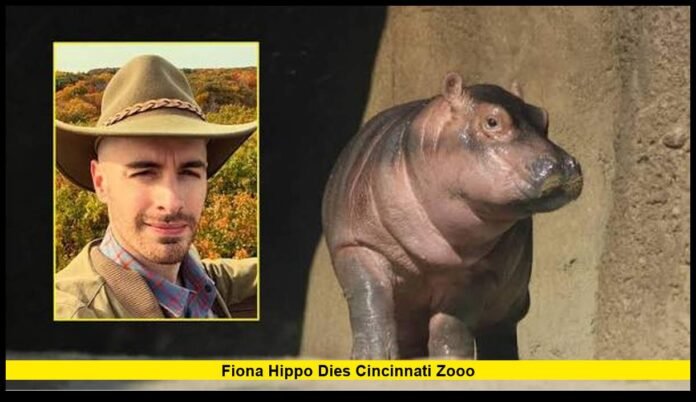

The reported news that Fiona hippo dies Cincinnati Zoo has saddened animal lovers across the United States, bringing renewed attention to the extraordinary life of one of the Cincinnati Zoo’s most recognizable residents. Fiona, who became famous after surviving a premature birth in 2017, reportedly died on November 19, 2026, following complications connected to a knitted hat she swallowed after it accidentally entered her habitat.
Her story had captured public attention for nearly a decade. From her fragile beginnings as a premature newborn to her growth into a healthy, internationally recognized hippopotamus, Fiona became a symbol of resilience and the dedication of animal-care professionals.
The reported medical emergency involved a foreign object that became lodged inside her digestive system. Veterinarians attempted several approaches to help Fiona pass the hat, but its location made treatment extremely difficult. Despite intensive monitoring and supportive care, the reported outcome was tragic.
Fiona’s popularity extended far beyond the zoo’s visitor population. Millions of people followed her life through photographs, videos, social media updates, and stories about her development. Her reported death has prompted emotional tributes from fans, Cincinnati residents, families, and people who had watched her grow since her earliest days.
Fiona’s Reported Medical Emergency at the Cincinnati Zoo
The circumstances surrounding Fiona’s reported death began with an accidental incident involving a knitted hat. The object allegedly entered her habitat after a visitor tossed it into the air. A ceiling fan reportedly redirected the hat, allowing it to fall through an opening and into the hippo enclosure.
Fiona eventually swallowed the object, creating a serious medical concern for the Cincinnati Zoo’s animal-care team.
When an animal ingests a foreign object, veterinarians must consider several possible complications. The object may pass naturally through the digestive tract, but it can also become trapped, interfere with digestion, or cause an obstruction.
Fiona’s medical team reportedly monitored her closely following the incident. Staff observed her behavior, appetite, and other signs that could help determine whether the hat was moving through her digestive system.
At first, the team reportedly hoped the object would pass naturally. However, the situation became increasingly concerning as the hat remained inside her digestive tract.
Veterinarians began exploring different medical options. Their goal was to help Fiona recover while avoiding procedures that could create additional risks.
The incident reportedly developed into a serious medical emergency, requiring extensive attention from the zoo’s veterinarians and keepers.
The Cincinnati Zoo’s Efforts to Save Fiona
Fiona’s veterinary team reportedly spent days attempting to help her recover after she swallowed the hat. The treatment process involved supportive care, monitoring, examinations, and efforts intended to encourage movement through her digestive system.
The team evaluated Fiona’s condition repeatedly as the medical emergency developed. They looked for indications that the object might be moving and monitored her physical condition.
Fiona’s health required careful attention because the foreign object was inside a complicated digestive system. Veterinarians needed to determine whether they could reach the object through medical procedures or whether another treatment might be possible.
The team reportedly attempted gastrointestinal endoscopy. These procedures allow veterinarians to examine portions of the digestive tract using specialized equipment.
However, Fiona’s condition presented significant challenges. The hat was reportedly positioned deep within her intestines, making it inaccessible through the procedures attempted.
The team continued evaluating treatment options while providing supportive care.
The efforts reflected the difficult decisions veterinarians must make when treating large animals with complex medical conditions. Every potential intervention must be considered carefully, including the risks associated with anesthesia, invasive procedures, and recovery.
Fiona’s caregivers reportedly continued working to help her until the medical situation became impossible to overcome.
The Hat’s Location Created Serious Treatment Challenges
A post-mortem examination reportedly provided additional information about the location of the hat inside Fiona’s digestive system.
The object was reportedly found in the middle of her small intestine. It had traveled well beyond the final stomach compartment and remained far from the end of the intestinal tract.
Its location was one of the major reasons veterinarians struggled to reach it.
Upper gastrointestinal endoscopy can allow veterinarians to examine certain areas of the digestive system. Lower procedures can provide access to other portions. However, neither approach could reach the hat because it was located deep within the small intestine.
The zoo’s veterinary team reportedly also considered surgical options. The location of the object and Fiona’s anatomy made laparoscopic removal unsuitable.
Surgical treatment involving a large hippopotamus can present significant challenges. The animal’s size, anatomy, physiology, and requirements during anesthesia and recovery must all be considered.
The location of the foreign object further complicated the situation.
The post-mortem findings reportedly confirmed that the hat was in a position that prevented veterinarians from successfully removing it through the approaches attempted while Fiona was alive.
The examination provided a clearer explanation of why the medical team had limited options despite its efforts.
Supportive Care and Additional Treatment Attempts
Fiona reportedly received intensive supportive care during her medical emergency.
Veterinarians and keepers monitored her condition while attempting different approaches that might encourage movement through her digestive tract.
Supportive treatment can include hydration, medication, observation, nutritional management, and other measures designed to help an animal maintain its health while veterinarians address the underlying problem.
The team reportedly used examinations to evaluate Fiona’s digestive system and determine whether there were signs of movement.
At one point, veterinarians reportedly used a long scope to examine her colon. The examination did not locate the hat, but it helped the team assess portions of her digestive system.
The medical team also tried an unusual approach involving a vibration plate borrowed from a local horse farm. Fiona reportedly stood on the platform several times while veterinarians hoped the vibrations might stimulate intestinal movement.
The approach was part of the team’s efforts to explore supportive options while trying to help Fiona pass the object.
These attempts demonstrated the determination of the animal-care staff to find a possible solution. However, the hat remained lodged in her digestive tract.
Fiona’s Appetite and Health Became Increasing Concerns
Fiona’s appetite reportedly became an important part of the medical monitoring process.
Hippos consume substantial amounts of vegetation, and eating behavior can provide veterinarians with useful information about an animal’s health.
After swallowing the hat, Fiona’s caregivers monitored her food intake and other physical signs. Any change in appetite could potentially indicate that the digestive problem was affecting her overall condition.
As the medical emergency continued, Fiona reportedly began eating less.
The veterinary team continued providing care and monitoring her condition. They offered foods and treats while observing whether she would eat and whether her behavior changed.
The decline in appetite raised additional concerns for her caregivers.
The team continued trying to help Fiona while evaluating the risks associated with possible interventions. Her condition ultimately became too serious to overcome.
Her reported death followed days of medical treatment and efforts to address the foreign object.
Fiona’s Premature Birth Made Her Story Extraordinary From the Beginning
Fiona’s public story began in January 2017, when she was born at the Cincinnati Zoo approximately six weeks before her expected arrival.
She weighed only 29 pounds at birth, significantly below the typical weight of a newborn Nile hippopotamus.
Her premature birth created immediate concerns about her survival. Fiona was extremely vulnerable and required specialized attention from the zoo’s animal-care team.
The staff worked around the clock to help her receive nutrition, maintain her health, and develop the strength needed to survive.
Her early care included closely managed feeding, medical monitoring, and assistance with developmental needs.
The zoo shared updates about Fiona’s condition as she progressed. Those updates quickly attracted attention from people throughout Cincinnati and beyond.
At first, followers were concerned about whether she would survive. Over time, her progress became a source of celebration.
Each milestone helped strengthen the connection between Fiona and the public.
Millions Followed Fiona’s Growth
Fiona’s recovery became one of the most widely followed animal stories associated with the Cincinnati Zoo.
People watched her develop from a tiny, vulnerable newborn into a larger and stronger hippo.
Her photographs and videos circulated widely on social media. Families shared updates with children, and people who had never visited Cincinnati became familiar with her story.
Fiona’s early struggles made her journey particularly compelling.
Her survival was not simply a matter of growing larger. She had to overcome challenges connected to her premature birth, including the need for specialized feeding and care.
The zoo’s updates helped audiences understand the work involved in raising a premature hippopotamus.
As Fiona grew stronger, her story changed from one of uncertainty to one of celebration.
People began following her personality, behavior, daily routines, and interactions with the other hippos.
Her popularity continued long after her early medical challenges had passed.
Fiona Became a Recognizable Face in Cincinnati
Fiona gradually became one of Cincinnati’s most recognizable animals.
Her popularity helped create a strong connection between the Cincinnati Zoo and people who followed her story online.
For many residents, Fiona was more than an animal living at a zoo. She represented a shared experience that had unfolded over several years.
People remembered watching her recovery during her early days. Others recalled visiting the zoo to see her after learning about her story through social media.
Fiona’s name became familiar throughout the region.
Her popularity inspired books, merchandise, creative projects, and public tributes. She became a recognizable symbol of Cincinnati and an animal whose story attracted attention from across the country.
The city’s connection with Fiona developed naturally through the public’s interest in her survival and growth.
Her story was also an example of how animal-care professionals can help create educational opportunities through the experiences of animals living at accredited zoos.
Fiona’s Popularity Reached Beyond the Zoo
Fiona’s influence extended beyond Cincinnati and Ohio.
People throughout the United States followed her life through online updates. Her story also reached international audiences.
Her photographs and videos became widely shared, and many people continued following her development as she grew older.
Fiona became a popular subject for family conversations, social media posts, and visits to the zoo.
Her story helped introduce people to hippos and encouraged interest in wildlife and animal care.
The attention also highlighted the importance of the Cincinnati Zoo’s work.
Fiona’s premature birth and recovery gave audiences an opportunity to learn about the challenges facing newborn animals and the care required to help them survive.
Her popularity demonstrated how a single animal’s story can create a lasting connection between a zoo and the public.
Fiona’s Family at Hippo Cove
Fiona lived at Hippo Cove with other hippos, including her mother, Bibi, her younger brother Fritz, and Tucker.
Her family relationships became another part of her story as she grew older.
Fritz arrived in August 2022, several years after Fiona’s premature birth. His arrival gave Fiona the role of big sister.
Keepers observed their interactions as Fritz developed. Their relationship included behaviors familiar to people who have watched siblings grow together.
Fiona’s life had changed considerably by that point. She was no longer the tiny newborn requiring constant assistance. She had grown into a healthy adult hippo living alongside her family.
Her relationship with Fritz helped introduce another chapter in her life at Hippo Cove.
The group remained under the care of the Cincinnati Zoo’s animal-care professionals.
The Remaining Hippos Were Reportedly Behaving Normally
Following Fiona’s reported death, the zoo reportedly provided an update about the other hippos living at Hippo Cove.
Bibi, Tucker, and Fritz were reportedly eating and behaving normally.
The animal-care team continued monitoring the remaining hippos, paying attention to their routines and physical condition.
Zoo staff acknowledged that it can be difficult to determine how animals respond to the loss of another member of their group.
However, the remaining hippos reportedly appeared to be acting normally during the initial period following Fiona’s death.
The update offered reassurance to supporters concerned about Fiona’s family.
Her mother, brother, and other hippo companions continued receiving care from the Cincinnati Zoo’s animal-care team.
Hippo Cove Was Temporarily Closed
The Cincinnati Zoo reportedly remained open following Fiona’s death, but Hippo Cove was temporarily closed through the weekend.
The decision was intended to provide Fiona’s animal-care team with space to process the loss.
Keepers, veterinarians, and other zoo employees had spent years caring for Fiona. Her premature birth required intensive attention, and many of the same staff members remained involved throughout her life.
The final medical emergency was especially difficult for those who worked directly with her.
The temporary closure allowed staff members to focus on their responsibilities and take time to grieve.
Visitors could continue enjoying other areas of the zoo while the hippo exhibit remained unavailable.
The closure reflected the emotional impact of Fiona’s reported death on the people who cared for her.
Fans Across the Country Share Tributes
Fiona’s reported death triggered an emotional response from people throughout Cincinnati and across the United States.
Fans shared photographs, videos, and memories of the hippo. Many recalled following her journey since her premature birth.
Some people remembered seeing Fiona at the zoo. Others had never visited Cincinnati but felt connected to her through the zoo’s online updates.
Families shared her story with children who had grown up watching her videos.
Her reported death also prompted messages from people who appreciated the happiness she had brought into their lives.
Fiona’s popularity meant that the loss reached far beyond the people who had personally visited the Cincinnati Zoo.
The response demonstrated how animals can create connections among people who live in different communities and have never met.
Cincinnati Community Remembers Fiona
Fiona became part of Cincinnati’s public identity during the years following her premature birth.
Residents remembered her as an animal who brought happiness to the city and attracted attention from people across the country.
Her story had become familiar to many families, and her name was recognized by people who followed local news, social media, and zoo updates.
Tributes reportedly came from community members, organizations, and public figures.
The messages focused on Fiona’s remarkable beginning, her growth, and the happiness she had brought to people.
Her reported death represented a loss for the zoo and the wider Cincinnati community.
The Importance of Keeping Objects Away From Zoo Animals
The reported circumstances surrounding Fiona’s medical emergency also highlight the importance of visitor safety rules at zoos.
Objects that appear harmless to people can become dangerous when animals swallow them.
Clothing, plastic, food packaging, toys, and other foreign materials may create serious risks if they enter an animal’s digestive system.
Fiona’s reported incident involved an unusual chain of events, but it underscores why visitors should never throw objects into animal habitats.
Animals may investigate unfamiliar objects with their mouths. They cannot reliably distinguish between materials that are safe to consume and items that may cause medical problems.
Zoo rules are designed to protect animals, visitors, and staff.
Keeping personal belongings away from habitats and following visitor instructions are important parts of responsible zoo visits.
Fiona’s Animal-Care Team Faces an Emotional Loss
Fiona’s reported death has also affected the people who cared for her throughout her life.
Her early survival required intensive attention. The zoo’s staff worked through her feeding challenges, developmental milestones, medical needs, and other aspects of her care.
As Fiona grew, her caregivers became familiar with her personality and daily routines.
When the medical emergency began, those same professionals worked to help her recover.
They monitored her condition, attempted treatments, examined her digestive system, and considered possible medical interventions.
The outcome was particularly painful because Fiona had survived such a difficult beginning.
The zoo reportedly asked visitors and supporters to respect the team’s need for space following her death.
Fiona’s Legacy Is More Than Her Popularity
Fiona’s life was remarkable because of the challenges she overcame and the connection she created with the public.
Her premature birth showed the difficulties facing newborn animals. Her survival demonstrated the dedication and expertise of the people caring for her.
As she grew, Fiona became an educational ambassador for her species and an animal whose story encouraged people to learn about wildlife.
Her popularity also showed how modern zoos can connect people with animals through educational communication and public engagement.
Fiona helped introduce people to the work involved in animal care and the challenges that can arise even when animals receive extensive attention.
Her life provided many opportunities for people to learn, celebrate, and connect.
Remembering the Hippo Who Inspired Millions
Fiona’s story began with uncertainty. She was born prematurely, weighed far less than a typical newborn hippo, and required specialized care during the earliest days of her life.
Over time, she became a healthy animal and one of the Cincinnati Zoo’s most famous residents.
People followed her growth, celebrated her milestones, and developed a connection with her through photographs and videos.
Her reported death has left many supporters grieving, but the memories of her extraordinary journey remain.
For Cincinnati, Fiona will be remembered as a beloved animal who helped bring the city together. For people across the country, she will remain the premature hippo whose remarkable survival story captured their attention and hearts.
Fiona’s journey from a fragile newborn to an internationally beloved hippo will continue to be remembered by the millions of people whose lives she brightened.