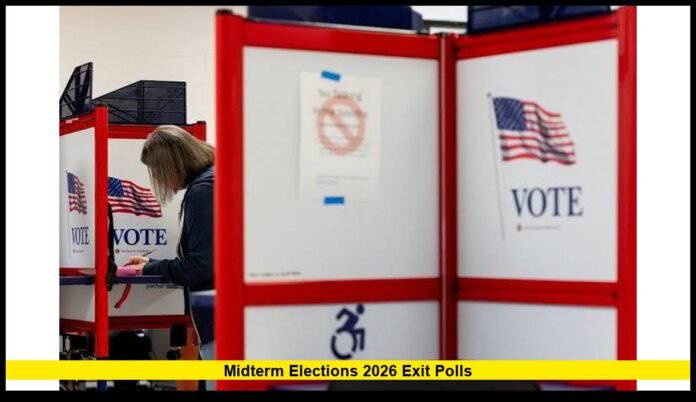

The midterm elections 2026 exit polls are drawing attention as Americans vote in a closely watched election that could reshape the balance of power in Washington. With all 435 seats in the House of Representatives and 35 Senate seats being contested, the November 3 election is an important test of political support for Republicans and Democrats. Voter attitudes toward the economy, immigration, health care, and President Donald Trump’s leadership are among the factors analysts are examining as election-night information becomes available.
Beyond determining which candidates win, the election offers an opportunity to understand how Americans view the country’s direction. Survey findings can provide valuable insight into voter motivations, demographic trends, and the issues influencing congressional races.
However, election surveys and official vote counts serve different purposes. While surveys explain voter behavior, election officials determine the winners through the counting and certification process.
Why the 2026 Midterm Elections Matter
Midterm elections traditionally serve as an important measure of public opinion during a president’s term. Unlike presidential elections, which focus on selecting the country’s chief executive, midterms determine the composition of Congress and influence political leadership at the federal and state levels.
The 2026 contests carry particular significance because Republicans currently control both chambers of Congress. Democrats are attempting to gain seats and potentially take control of one or both chambers.
The outcome will influence legislative negotiations, congressional investigations, government spending decisions, and the administration’s ability to advance its policy priorities.
The House election is especially important because every seat is on the ballot. In the Senate, the results of 35 contests will determine whether the current political balance remains intact.
Governors’ races and state legislative contests also provide important indications of political sentiment across the country.
Economy Emerges as a Major Election Concern
Affordability is a central issue to watch as voters make decisions in congressional and gubernatorial contests. Household expenses, housing costs, wages, and employment prospects can influence whether Americans believe the country is moving in the right direction.
Economic dissatisfaction can create challenges for the party controlling the White House, particularly when voters believe government policies have not addressed their financial concerns.
Republicans may emphasize economic growth, tax policy, and business conditions. Democrats may focus on living costs, health care expenses, and measures intended to support working families.
The survey findings will help show whether economic concerns translate into measurable differences in candidate support. Regional differences will also matter because voters in rural communities, suburbs, and major cities can face different financial pressures.
Presidential Approval Could Influence Congressional Races
President Trump’s standing among voters is another important factor in interpreting the election.
Midterms frequently reflect public judgments about the administration’s performance, even when the president is not on the ballot. Congressional candidates may benefit from strong approval of the White House or face difficulties when voters express dissatisfaction.
Analysts will examine whether presidential approval aligns with support for Republican candidates and whether opposition to the administration motivates Democratic voters.
These relationships are not uniform. Local candidates can outperform their party’s national standing by appealing to independent voters, emphasizing regional priorities, or building strong relationships with constituents.
What Early Voting Reveals About Election Participation
Millions of Americans cast ballots before Election Day. Early participation is an important part of understanding the size and composition of the electorate.
More than 57 million Americans had already voted early, according to figures reported on Election Day. That level of participation highlights why modern election surveys must account for people who voted in advance.
Early voting totals do not necessarily predict which party will win. States differ in their voting procedures, and the political preferences of early voters vary by location.
The timing of ballot processing also differs. Some jurisdictions begin processing mail ballots before Election Day, while others face restrictions that can delay reporting.
For this reason, early turnout figures should be considered alongside demographic information, historical patterns, and actual election returns.
How to Interpret the Latest Voter Survey Findings
Readers following the midterm elections 2026 exit polls should pay attention to the difference between voter attitudes and confirmed election outcomes.
The national voter survey combines information collected before Election Day with interviews conducted at polling places. This approach helps researchers account for people who voted using different methods.
Survey findings may identify which issues mattered most, how voters assessed political leadership, and whether support differed across demographic groups.
However, an early estimate does not establish a winner. Survey methods have limitations, and the accuracy of individual findings depends on factors including sample design, participation, weighting, and the number of responses collected.
Election-night coverage should therefore distinguish survey estimates from unofficial vote totals and certified results.
What Happens After Election Day?
The political consequences of the midterms will become clearer as election officials complete their work and close contests are resolved.
Some races may produce clear outcomes on election night. Others may require additional counting because of narrow margins, outstanding mail ballots, provisional ballots, or state-specific election procedures.
The final distribution of congressional seats will determine the balance of power in Washington. It will also shape the political strategies both parties adopt as they prepare for future elections.
Voter surveys will remain useful after Election Day because they can help explain the forces behind the results. Researchers can compare the electorate’s priorities with actual voting patterns and assess which messages resonated with different groups.
The Bottom Line
The 2026 midterms are about more than individual victories. They offer a snapshot of public opinion during President Trump’s second term and could reshape the legislative agenda for the remainder of his presidency.
Exit polls can provide valuable insight into the concerns driving voters, but official vote counts determine who wins. As the results develop, the most meaningful analysis will connect voter attitudes with turnout, district-level outcomes, and the eventual balance of power in Congress.