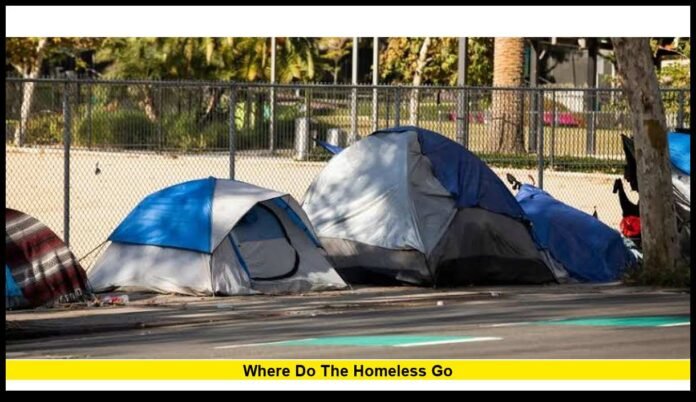

Where do the homeless go when rent becomes unaffordable, a family loses its home, or an emergency leaves someone with nowhere to stay? In the United States, the answer ranges from temporary shelter beds and specialized housing programs to cars, tents, and public spaces. The latest available federal snapshot, released in May 2026, counted 745,652 people experiencing homelessness on a single night in January 2025. Although that figure declined from the previous year’s record, more than 266,000 people were still living without conventional shelter.
The numbers reveal a complex housing crisis. Some people find immediate protection indoors, while others must navigate limited services and difficult living conditions. Understanding where people go helps explain both the scale of homelessness and the practical challenges of finding a safe place to sleep.
America’s Homelessness Numbers Show a Mixed Picture
The national count recorded 745,652 people experiencing homelessness in January 2025. Of these, 479,332 stayed in sheltered settings, while 266,320 lacked shelter.
| Living arrangement | People counted |
|---|---|
| Emergency shelters, transitional housing and safe havens | 479,332 |
| Unsheltered locations | 266,320 |
| Total | 745,652 |
The total represented a decrease of approximately 3.3% from the 771,480 people counted in 2024. However, the 2025 figure remained above every annual total recorded before 2024 in the federal series.
These figures come from a one-night count conducted during January. They do not represent every person who experiences homelessness throughout the year.
The distinction is important because people can lose housing, enter shelters, move into temporary accommodation, or secure permanent homes at different times. A single-night survey cannot capture every change.
Emergency Shelters Provide an Immediate Place to Stay
For many people, an emergency shelter is the first place to seek refuge after losing housing. These facilities offer temporary indoor accommodation through local governments, nonprofit organizations, charities, and community groups.
Depending on the location, a shelter may provide a bed, meals, showers, clothing, and help accessing essential services. Some facilities also connect residents with housing specialists who can assist with rental applications, employment, and public benefits.
However, access is not guaranteed. Shelters can reach capacity, and some operate with admission schedules or rules that limit who can stay.
Facilities may also serve specific groups. A shelter designed for families might not accept a single adult, while another program may prioritize women, young people, or veterans.
Personal circumstances create additional barriers. Couples may struggle to find accommodation together, and people with pets may have difficulty locating a facility that accepts animals. Individuals with disabilities can also face challenges when a shelter cannot meet their accessibility needs.
Consequently, the existence of a shelter nearby does not necessarily mean someone can secure a bed that night.
Why Some People Sleep Outside Instead of in Shelters
Thousands of people spend nights in locations that were never designed for residential use. These include sidewalks, parks, tent encampments, vehicles, and abandoned structures.
The reasons vary. Some people cannot find an available bed, while others face transportation difficulties or shelter rules that do not fit their circumstances. Safety concerns, crowded facilities, and the need to remain with a partner or pet can also influence decisions.
For someone living in a vehicle, the car may provide limited protection from weather while preserving access to work or personal belongings. However, vehicles offer little protection during extreme temperatures and can create additional risks when parked in unsafe locations.
Outdoor living presents even greater challenges. Rain, freezing temperatures, heat exposure, theft, and violence can threaten people’s safety. Access to clean water, toilets, showers, and regular medical care may also be limited.
Visible encampments represent only part of the population experiencing homelessness. Others sleep in less noticeable locations, making their circumstances harder for service providers and local authorities to identify.
What Happens to Homeless Families and Children?
Families facing homelessness may seek accommodation at family shelters, temporary housing facilities, or programs that arrange short-term lodging. Some stay with relatives or friends while searching for an affordable home.
Family programs may help parents maintain children’s school attendance, obtain meals, and connect with housing assistance. Keeping children in a familiar school environment can reduce disruption during an already difficult period.
Yet family shelters do not always have enough space for everyone who needs assistance. Parents may face long searches for suitable accommodation, particularly when they need multiple bedrooms or must remain near work and school.
Some families temporarily double up with other households. Although these arrangements can provide a roof over their heads, overcrowding and uncertainty can make them unstable.
Federal homelessness statistics also have limits. The main one-night count does not capture every family experiencing housing insecurity, including many households temporarily staying with others.
Where Do Homeless Veterans Find Help?
Veterans can access general homeless shelters as well as specialized programs designed for former service members.
Depending on eligibility and local availability, these programs may provide temporary accommodation, rental assistance, case management, and connections to health care. Some help veterans move directly into permanent housing, while others address immediate needs first.
Veterans who need assistance can call 1-877-424-3838, the National Call Center for Homeless Veterans. The service operates around the clock and offers confidential support.
Veteran status does not automatically guarantee a particular housing placement. Available services depend on individual circumstances, program requirements, and local resources.
How People Can Find Shelter Today
Someone without a safe place to sleep can begin by contacting local assistance services.
Call 211: In most U.S. communities, this service connects people with local shelter referrals, food assistance, and other social services. Callers should explain whether they need a bed immediately or longer-term housing support.
Search for nearby shelters: Federal housing resources offer tools to locate shelters, food programs, health clinics, and other community services by location.
Contact local homelessness organizations: Community agencies can explain assessment procedures, shelter availability, and potential housing programs. Some areas use coordinated entry systems to connect people with available assistance.
Ask about emergency accommodation: People facing dangerous weather or an immediate safety threat should explain their circumstances clearly and ask which facilities can accept them.
Because availability changes, it is important to confirm operating hours, eligibility requirements, transportation options, and whether space remains before traveling to a facility.
Why Finding a Permanent Home Can Take Time
An emergency bed can address an immediate crisis, but it does not solve the underlying housing problem. People often need a reliable income, an affordable rental, money for deposits, and the ability to meet a landlord’s requirements.
High housing costs and limited affordable rentals can make that process difficult. A person may leave a shelter ready to rent an apartment but still struggle to find a property within their budget.
Transitional housing offers temporary accommodation and support for some households. Rapid re-housing programs can help eligible people enter rental housing through time-limited financial assistance and related services. Permanent supportive housing combines long-term housing with services for people who need ongoing support.
No single program fits every situation. Effective assistance depends on matching people with suitable housing and the services required to maintain it.
The Bottom Line on Homelessness in America
The answer to where do the homeless go is different for every individual. Some find shelter beds or temporary housing, while others spend nights in vehicles, tents, and public spaces. The latest federal figures show a modest national decline, but hundreds of thousands of people still lacked conventional shelter during the 2025 count.
Access to emergency accommodation remains essential, yet lasting progress also requires practical routes into stable housing. Understanding the different places people stay is a necessary step toward addressing the challenges they face.
What changes would help more Americans find safe, stable housing? Share your thoughts in the comments and follow the latest developments in homelessness and housing assistance.