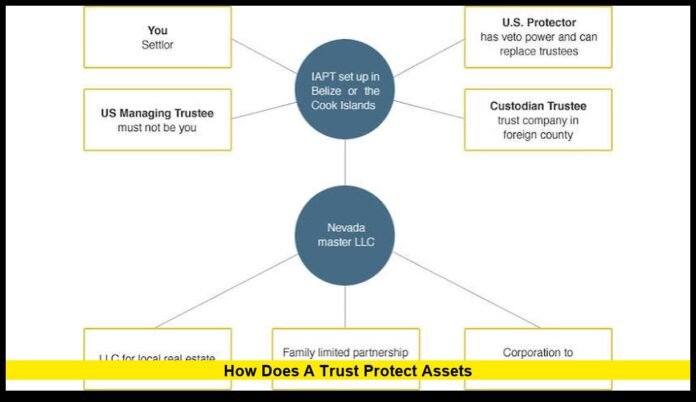

How does a trust protect assets? In the United States, a properly established trust can help preserve wealth, manage property, and limit certain creditors’ ability to reach assets. The level of protection depends on the trust’s structure, the creator’s retained rights, the beneficiaries’ interests, and the laws that govern the arrangement.
Trusts are an important part of estate planning because they allow individuals to establish rules for managing and distributing property. Families may use them to hold real estate, investments, cash, and other valuable assets. Depending on the arrangement, a trust may also help protect an inheritance from certain financial risks.
However, not every trust offers creditor protection. A revocable living trust generally does not shield the creator’s assets from personal creditors. Certain irrevocable trusts may provide stronger protection when they meet applicable legal requirements.
Understanding these differences can help individuals make informed decisions about protecting property, preserving family wealth, and planning for future generations.
What Is a Trust and Why Is It Used for Asset Protection?
A trust is a legal arrangement in which property is held and managed by a trustee for the benefit of designated beneficiaries. The person who creates the trust establishes its terms and transfers eligible assets into it.
Three primary roles generally define a trust:
- Grantor: The individual who creates the trust and contributes property.
- Trustee: The person or institution responsible for managing the trust’s assets according to its terms.
- Beneficiary: The person or organization entitled to receive benefits from the trust.
The same person may occupy more than one role, depending on the arrangement. However, the relationship between ownership, control, and financial benefits can influence whether creditors may reach trust property.
For example, parents might establish an irrevocable trust for their children. An independent trustee could manage the investments and distribute funds for education, housing, or other approved expenses. If the trust contains enforceable protective provisions, certain creditors of a child may face restrictions on reaching assets that remain in the trust.
Trusts can also establish long-term rules for family wealth. Instead of giving a beneficiary unrestricted access to an inheritance, the creator can authorize distributions under specified conditions.
The key point is that a trust’s asset protection benefits arise from its legal structure and enforceable terms, not merely from transferring property into an account bearing the trust’s name.
How Does a Trust Protect Assets From Creditors?
A trust may protect assets by separating certain property from an individual’s personal ownership or restricting creditors’ access to a beneficiary’s interest.
The results depend on the trust type, the parties’ rights, and the nature of the creditor’s claim. Some arrangements protect assets intended for beneficiaries, while others may offer limited protection for the person establishing the trust.
Several mechanisms can support asset protection:
- Ownership separation: A properly structured irrevocable trust can hold property separately from the creator’s personal assets.
- Restricted distributions: The trust agreement can establish when beneficiaries receive money or property.
- Spendthrift provisions: Enforceable restrictions may prevent beneficiaries from transferring their interests and limit certain creditors’ access to undistributed assets.
- Independent management: A trustee can administer property according to the trust terms rather than allowing unrestricted personal control.
- Long-term wealth preservation: Trusts can establish rules that help preserve assets for children, grandchildren, or other beneficiaries.
These protections have important limits. Courts may examine whether the creator retained substantial control or continues to benefit from the property. Certain creditors may also qualify for exceptions under state or federal law.
A trust cannot guarantee that assets will remain beyond the reach of every creditor, court judgment, or legal obligation.
Revocable Trusts and Irrevocable Trusts: What Is the Difference?
Choosing the correct trust structure is essential when evaluating asset protection. Revocable and irrevocable trusts differ in flexibility, control, and their potential effect on creditor claims.
| Feature | Revocable trust | Irrevocable trust |
|---|---|---|
| Changing the trust | Generally possible | Usually restricted |
| Creator’s control | Often substantial | Typically more limited |
| Protection from creator’s creditors | Generally unavailable | May be available under qualifying circumstances |
| Common uses | Estate management and probate planning | Wealth transfer and certain asset protection strategies |
| Access to transferred property | Usually flexible | Depends on the trust terms |
How a revocable trust works
A revocable living trust allows its creator to amend or terminate the arrangement during their lifetime, subject to its terms and applicable law.
Many people use these trusts to organize their financial affairs, manage assets during incapacity, and simplify the transfer of property after death. The creator often serves as trustee and retains the ability to use the assets.
This flexibility generally limits protection from the creator’s personal creditors. Because the creator can usually revoke the trust and reclaim its property, creditors generally retain access to those assets under applicable law.
A revocable trust can still be useful for estate planning, but it should not be treated as a substitute for a properly designed asset protection arrangement.
How an irrevocable trust works
An irrevocable trust generally limits the creator’s ability to change the terms or reclaim transferred property without following the trust’s legal provisions.
This reduced control can create a meaningful separation between the creator’s personal property and assets held by the trust. Depending on the governing law and arrangement, that separation may help protect property against certain creditor claims.
However, irrevocability alone does not guarantee protection. The creator’s retained interests, the trustee’s authority, the beneficiaries’ rights, and the timing of transfers can all affect the outcome.
Some irrevocable trusts permit distributions to the creator. If the creator retains a right to receive money, creditors may be able to reach some or all of the amount available under applicable law.
Before establishing such a trust, individuals should carefully consider the consequences of giving up control over their property.
How Does a Spendthrift Trust Protect Beneficiaries?
A spendthrift trust includes provisions designed to restrict a beneficiary’s ability to transfer their interest and limit certain creditors’ access to assets before distribution.
This arrangement can be useful for families that want to preserve an inheritance while allowing a trustee to manage the money over time.
Consider a family that establishes a trust for an adult child. Instead of distributing the entire inheritance at once, the trustee may make payments for education, housing, health care, or other expenses permitted by the agreement.
If the trust contains a valid spendthrift provision, certain creditors may be unable to seize the beneficiary’s undistributed interest. The trustee continues managing the assets according to the trust’s terms.
Nevertheless, these provisions do not eliminate every creditor’s rights. State laws may recognize exceptions for particular claims, including certain child support obligations. Other legal rules may also permit access to some trust interests or distributions.
Once funds leave the trust and reach the beneficiary, they may become more vulnerable to creditors. The extent of protection depends on the circumstances and applicable law.
Can an Asset Protection Trust Protect Your Personal Wealth?
An asset protection trust is designed to reduce exposure to certain creditor claims through a legally recognized ownership and management arrangement.
Some states authorize domestic asset protection trusts that allow a person to transfer property into an irrevocable trust while retaining limited potential benefits. These arrangements must satisfy the applicable state’s requirements, and the protection they provide varies.
Such trusts may be relevant to people with substantial investments, business interests, or concerns about future professional liability. However, a trust established under one state’s law may face challenges when creditors pursue claims elsewhere.
Federal bankruptcy law also permits challenges to certain transfers that meet statutory standards involving fraudulent transfers. State laws can provide additional grounds for challenging transactions.
Timing is especially important. Transferring assets after a lawsuit begins or when a creditor claim becomes imminent can expose the transaction to legal scrutiny.
Courts may consider the creator’s financial condition, the purpose of the transfer, and whether the arrangement improperly interferes with creditors’ rights.
For these reasons, asset protection planning should comply with applicable law and account for existing obligations. No trust can guarantee that transferred property will be protected from every claim.
How Can a Trust Protect Real Estate and Investments?
A trust can hold different types of property when the assets can legally be transferred and the required procedures are completed.
Common examples include:
- Real estate: A house or rental property may be transferred to a trust through an appropriate deed.
- Investments: Eligible securities and investment holdings may be registered in the trust’s name.
- Cash and bank accounts: Certain financial accounts can be retitled or established for a trust.
- Business interests: Ownership interests may be transferred when company agreements and applicable laws permit it.
- Life insurance: An appropriate irrevocable trust may own a life insurance policy or receive its proceeds.
Each asset requires separate consideration. A property transfer does not automatically eliminate a mortgage, existing lien, personal guarantee, or contractual obligation.
Real estate transfers may also involve lender requirements, insurance coverage, property taxes, and state recording procedures. Financial institutions may require specific documentation before changing account ownership.
Proper funding is essential. Signing the trust agreement alone does not transfer every asset into the arrangement.
Retirement accounts deserve particular attention because transferring ownership directly to a trust can create adverse tax consequences. Beneficiary designations and other planning options should be evaluated separately.
Can Creditors Challenge a Trust or Its Transfers?
Yes. Courts can examine transfers made into trusts when creditors allege that the transactions improperly prevented them from collecting debts.
Federal bankruptcy law and state fraudulent-transfer laws provide legal mechanisms for challenging certain transfers. The relevant rules may consider the timing of the transaction, the creator’s financial condition, the value exchanged, and the surrounding circumstances.
Potential warning signs include:
- Moving assets to conceal them from creditors.
- Transferring property after receiving notice of a lawsuit.
- Transferring assets while insolvent under circumstances covered by applicable law.
- Continuing to use supposedly transferred property as unrestricted personal wealth.
- Attempting to avoid an existing judgment through a property transfer.
If a court determines that a transfer violates applicable law, it may allow creditors to pursue the property or reverse the transaction.
An unsuccessful arrangement can also create additional legal expenses and disputes. Anyone facing a lawsuit, collection proceeding, or substantial unpaid debt should seek legal advice before moving assets.
A trust cannot lawfully erase an existing financial obligation simply by changing who holds legal title to property.
Does a Trust Protect Assets From Taxes?
Asset protection and tax planning are separate considerations. A trust may serve both purposes in certain circumstances, but establishing one does not automatically eliminate taxes.
A typical revocable living trust generally does not remove the creator’s assets from their taxable estate. The creator usually continues reporting trust income under applicable grantor-trust rules.
Some irrevocable trusts can support estate tax planning when they meet the relevant requirements. However, certain retained powers or financial interests can cause trust property to remain included in the creator’s taxable estate.
Depending on its structure, a trust may also have income tax filing responsibilities. The creator, trust, or beneficiaries may have reporting obligations under the applicable rules.
Individuals should therefore evaluate tax consequences before transferring assets. An estate planning attorney and qualified tax professional can help determine whether a proposed arrangement meets the intended legal and financial objectives.
How to Establish a Trust for Asset Protection
Creating an effective trust requires careful planning, appropriate documentation, and proper funding. The arrangement should reflect the creator’s objectives and comply with applicable state and federal law.
The process generally includes these steps:
- Define your objectives. Decide whether you want to protect an inheritance, manage property, prepare for incapacity, or reduce exposure to certain future creditor claims.
- Review your assets and liabilities. Identify real estate, investments, business interests, outstanding debts, guarantees, and potential legal obligations.
- Select an appropriate trust structure. Compare revocable, irrevocable, spendthrift, and other suitable arrangements with an estate planning attorney.
- Choose a trustee. Evaluate the trustee’s independence, financial judgment, reliability, and ability to administer the trust properly.
- Draft clear provisions. Establish beneficiaries, distribution conditions, trustee powers, and legally appropriate protective restrictions.
- Transfer eligible property. Complete deeds, account changes, assignments, and other necessary funding procedures.
- Review the trust periodically. Reassess the arrangement when financial circumstances, family needs, or applicable laws change.
Professional guidance is especially important when the trust involves significant wealth, multiple properties, business ownership, or possible creditor disputes.
Frequently Asked Questions About Trust Asset Protection
Does a trust automatically protect assets from lawsuits?
No. Protection depends on the trust structure, the creator’s retained control, the applicable law, and the nature of the claim. A revocable trust generally does not protect the creator’s assets from personal creditors.
Is an irrevocable trust better for asset protection?
An irrevocable trust may provide stronger protection when the creator genuinely transfers ownership and gives up sufficient control. However, the outcome depends on the trust terms and applicable legal requirements.
Can placing a house in a trust protect it from creditors?
Not automatically. A trust can hold real estate, but transferring a home does not eliminate its mortgage or guarantee protection from lawsuits. State homestead exemptions and other property laws may also affect the result.
Can creditors take money from a beneficiary’s trust?
Sometimes. Valid spendthrift provisions may restrict access to undistributed assets, but exceptions can apply. Money distributed directly to a beneficiary may become more accessible to creditors.
When should someone create an asset protection trust?
Planning before a specific creditor claim arises is generally preferable. Every transfer must still comply with applicable law, and no trust guarantees immunity from future claims.
Final Thoughts
A trust can help families manage property, preserve wealth, and establish rules for future distributions. Revocable trusts generally focus on estate management, while qualifying irrevocable and spendthrift trusts may offer stronger protection against certain creditor claims.
The most appropriate structure depends on the assets involved, the creator’s retained rights, the beneficiaries’ interests, and the laws governing the trust. Careful planning, proper funding, and qualified professional guidance can help individuals make informed decisions about protecting their property.
Have you considered establishing a trust to protect your assets or preserve an inheritance? Share your thoughts in the comments and stay informed about U.S. estate planning developments.