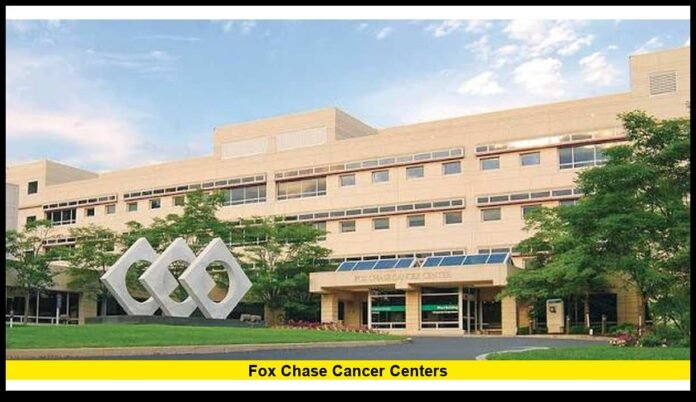

Fox Chase Cancer Center continues to strengthen its position as a major U.S. destination for cancer treatment, research, clinical trials, prevention and specialized care. Based in Philadelphia, Pennsylvania, the institution is entering the final part of 2026 with new scientific discoveries, major clinical milestones, expanded community screening efforts and continued recognition for specialized cancer services.
The center combines laboratory research with patient care, allowing discoveries made by scientists to move toward clinical applications. Its work spans many forms of cancer, including blood cancers, breast cancer, lung cancer, prostate cancer, gastrointestinal cancers, brain tumors, gynecologic cancers, melanoma and rare tumors.
A Major Cancer Research Institution in Philadelphia
The history of the institution stretches back more than a century. Its roots include the American Oncologic Hospital, established in 1904, and the Institute for Cancer Research, founded in 1927. The two organizations joined together in 1974 to create Fox Chase Cancer Center.
That history has helped establish the institution as an important part of the U.S. cancer research community.
The center is designated by the National Cancer Institute as a Comprehensive Cancer Center, a distinction associated with broad research programs, cancer treatment, prevention, education and community outreach.
Its connection with Temple University and Temple Health also provides an academic and clinical network that brings together physicians, scientists, medical students, researchers and healthcare professionals.
New MYC Cancer Research Draws Attention
One of the most significant scientific developments from the center in October 2026 involves MYC, a gene strongly associated with cancer development and aggressive tumor behavior.
Researchers from the Cancer Epigenetics Institute reported findings that challenge the traditional understanding of how MYC amplification occurs inside cancer cells.
MYC is involved in regulating cell growth and proliferation. When its activity becomes abnormal, it can contribute to uncontrolled tumor growth. Extra copies of the gene can make the situation even more difficult because they may help cancer cells grow faster and adapt to treatment.
Scientists have historically viewed MYC as particularly challenging to target directly. The latest research instead focuses on the biological machinery responsible for producing additional copies of the gene.
Researchers identified two chromatin-regulating proteins, KDM4C and SETD2, as important parts of this process.
The findings suggest that MYC amplification can be actively regulated by epigenetic mechanisms rather than being merely a random consequence of genomic instability.
Laboratory experiments indicated that increased KDM4C activity can contribute to repeated copying of the MYC region. The researchers also examined how loss or disruption of other cellular safeguards can allow these amplified cells to survive and continue developing.
The study is particularly relevant to cancers in which MYC amplification is associated with aggressive disease and treatment resistance.
Importantly, the findings represent laboratory research rather than an established treatment available to patients. Additional studies will be necessary to determine whether these mechanisms can ultimately lead to new therapies.
Why MYC Research Matters
The importance of the discovery goes beyond a single gene.
Cancer cells constantly evolve. Some tumors become harder to treat because they develop genetic changes that allow them to survive therapy. Understanding how those changes arise can give scientists additional opportunities to interfere with tumor evolution.
The research team is investigating whether controlling the epigenetic mechanisms responsible for MYC amplification could eventually help prevent cancer cells from reaching highly aggressive states.
The work also raises the possibility of identifying biomarkers that could indicate which tumors are more likely to develop MYC amplification.
That could become useful in the future for selecting patients for particular treatments or clinical trials.
However, cancer biology is complex, and discoveries made in laboratory models do not automatically translate into successful human treatments. The next stage will involve additional research to establish whether the approach is safe and effective in patients.
Leadership and a New Direction for Research
Another important development in 2026 has been the arrival of Robert A. Winn, MD, as Cancer Center Director.
Winn brings extensive experience in cancer research, prevention, health disparities and community-focused healthcare. His leadership comes at a time when the institution is emphasizing stronger connections between scientific discovery, patient care and the communities it serves.
His approach includes a focus on partnerships, technology, data and research designed to produce meaningful improvements in cancer outcomes.
The leadership transition is particularly relevant as cancer care becomes increasingly dependent on precision medicine, molecular testing, immunotherapy, cellular therapies and advanced data analysis.
The goal is not simply to develop new discoveries in laboratories but to find ways those discoveries can eventually improve the lives of patients.
Strong National Recognition for Cancer Care
The institution also received recognition in the 2026-27 U.S. News & World Report hospital rankings.
The cancer program was ranked No. 32 nationally, while its urology program reached No. 11 nationally.
The urology ranking represented a particularly strong result for the institution and placed the program among the leading centers in the country.
Several additional areas received high-performing recognition, including colon cancer surgery, gynecologic cancer surgery, leukemia, lymphoma and myeloma care, lung cancer surgery and prostate cancer surgery.
Hospital rankings are only one way of evaluating cancer care. Patients should also consider physician experience, the specific type and stage of cancer, treatment availability, clinical trials, insurance arrangements, location and personal medical needs.
Blood Cancer and Cellular Therapy Milestone
Blood cancer treatment remains an important part of the institution’s clinical work.
In June 2026, the program reached a major milestone with its 3,000th bone marrow transplant, representing nearly four decades of specialized treatment for patients with blood cancers.
Bone marrow and stem cell transplantation can be used in the treatment of several serious blood disorders and cancers, including certain forms of leukemia, lymphoma and multiple myeloma.
The program has also expanded beyond traditional transplantation into cellular therapies and newer forms of cancer treatment.
CAR T-cell therapy is one example of how cancer medicine has evolved. This approach modifies a patient’s immune cells so they can better recognize and attack cancer.
Such therapies require highly specialized medical teams and careful patient monitoring, making experience an important consideration for individuals who may qualify.
Clinical Trials Remain a Major Focus
Clinical research is central to the institution’s identity.
Patients with certain cancers may have access to clinical trials testing new drugs, treatment combinations, diagnostic techniques, surgical strategies, radiation approaches, cellular therapies or other interventions.
Clinical trials can be particularly important for patients with rare cancers or diseases that have returned after previous treatment.
Eligibility varies from one study to another. Factors can include cancer type, disease stage, previous treatments, genetic characteristics, age, overall health and other medical considerations.
Patients interested in clinical research should speak directly with their oncology team to determine whether an appropriate study is available.
Precision Medicine and Personalized Cancer Care
Modern oncology increasingly relies on information about the biological characteristics of an individual patient’s tumor.
Instead of treating every patient with the same diagnosis in exactly the same way, doctors can use pathology, imaging, genetic testing and molecular information to identify treatment options that may be more appropriate for a particular cancer.
Precision medicine is especially important for cancers with identifiable molecular changes.
Research institutions such as Fox Chase play an important role in developing the science behind these approaches.
The combination of laboratory research and patient treatment allows researchers to study cancer mechanisms while physicians continue applying established therapies in clinical settings.
Community Cancer Screening Expands
Cancer prevention and early detection are another major part of the institution’s work.
In 2026, its Mobile Screening Program continued bringing cancer screening and prevention services into communities throughout Southeastern Pennsylvania.
The program is designed to reduce barriers that can prevent people from receiving recommended screening.
Transportation, work schedules, insurance concerns and limited access to medical facilities can all affect whether people receive preventive healthcare.
Mobile services can help bring screening closer to the people who need it.
Early detection is important because some cancers are easier to treat successfully when identified before they have spread extensively.
Screening recommendations vary depending on factors such as age, family history, personal risk and the type of cancer being considered.
Cancer Prevention and Health Disparities
Cancer prevention research also examines why certain communities experience higher cancer burdens than others.
Researchers study environmental exposures, genetics, lifestyle factors, healthcare access and social conditions that can influence cancer risk and outcomes.
Reducing cancer disparities requires more than developing new medicines. Patients must also be able to access screening, diagnosis, treatment and follow-up care.
This makes community partnerships an important part of modern cancer prevention.
The institution’s work increasingly connects scientific research with public health initiatives intended to reach people outside traditional hospital settings.
Support for Patients Beyond Treatment
Cancer care involves more than chemotherapy, surgery or radiation.
Patients can experience fatigue, pain, anxiety, nutritional challenges, physical limitations and emotional stress throughout treatment and recovery.
Supportive care programs can address these concerns and help patients maintain quality of life.
Survivorship services are also important for people who have completed active treatment.
Survivors may need help managing long-term treatment effects, monitoring for recurrence, improving physical health and addressing emotional or practical concerns.
This broader approach reflects the changing definition of successful cancer care. The objective is not simply to treat the tumor but also to support the person throughout the cancer journey.
A Legacy of Cancer Discoveries
The institution has contributed to important developments in cancer science over many decades.
Among its historic contributions are research connected to the Philadelphia chromosome and the two-hit hypothesis.
The Philadelphia chromosome became an important discovery in the understanding of certain blood cancers, while the two-hit hypothesis helped shape modern thinking about how genetic changes can contribute to tumor development.
These discoveries demonstrate the value of long-term basic research.
Many breakthroughs in oncology begin with scientists asking fundamental questions about how cells grow, divide, repair DNA and respond to damage.
Years or even decades may pass before those discoveries lead to widely used treatments.
What Patients Should Know About Choosing a Cancer Center
Choosing a cancer center is a personal decision, and national rankings should not be the only factor.
Patients should consider whether the institution has specialists experienced in their specific cancer and whether the center offers the treatments they may need.
Other important considerations include:
- Experience treating the patient’s particular cancer
- Availability of multidisciplinary care
- Access to clinical trials
- Molecular and genetic testing
- Surgical expertise
- Radiation treatment options
- Immunotherapy and cellular therapy programs
- Supportive and survivorship services
- Insurance coverage
- Travel and accommodation requirements
- Opportunities for second opinions
A second opinion can also be valuable, particularly when a diagnosis is complex or several treatment approaches are available.
The Outlook for Cancer Research in 2026
The direction of cancer research is increasingly focused on understanding tumors at the molecular level.
Work involving MYC amplification illustrates this trend. Rather than simply asking how to destroy a tumor, scientists are investigating how cancer cells change, survive, adapt and become resistant to treatment.
Research into epigenetics, immune responses, tumor genetics and cellular therapies could eventually produce new strategies for patients whose cancers are difficult to treat.
At the same time, established treatments remain essential. New discoveries must undergo extensive testing before they can become part of routine medical practice.
The combination of basic science, clinical research, specialized treatment and prevention programs gives Philadelphia an important role in the national cancer research landscape.
Why the Institution Remains Important
Fox Chase Cancer Center continues to operate at the intersection of scientific discovery and patient care.
Its latest research into MYC amplification demonstrates the institution’s commitment to understanding difficult biological problems. Its 3,000-transplant milestone highlights decades of experience treating blood cancers. Its community screening initiatives demonstrate an effort to make prevention more accessible, while its national rankings provide another measure of its clinical standing.
As cancer medicine becomes more personalized, research-driven and dependent on collaboration, institutions that can connect laboratory discoveries with clinical care will remain important.
For patients, the most meaningful measure is ultimately whether the available expertise, treatment options and support services fit their individual circumstances.
With continued investment in cancer research, clinical trials, cellular therapies, prevention and community partnerships, the institution is positioned to remain an important part of the U.S. cancer-care system as research moves toward new approaches for diagnosis, treatment and prevention.