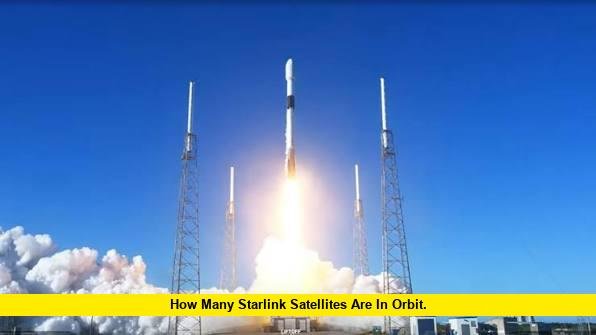

How many Starlink satellites are in orbit is a question that changes frequently as SpaceX continues launching new satellites while older spacecraft leave orbit. The latest comprehensive tracking data available as of September 6, 2026, lists 11,120 Starlink satellites in orbit, based on data updated September 4. SpaceX also launched another 28 Starlink satellites on September 5, meaning the constellation continued growing after that published count.
Starlink has become the largest satellite constellation in history. SpaceX has launched thousands of spacecraft since the first operational Starlink missions began in 2019. The company continues to add satellites at a rapid pace while also deorbiting older or failed spacecraft.
Because launches and reentries happen regularly, the exact number in orbit can change from one day to the next.
The Latest Verified Starlink Satellite Count
The latest comprehensive Starlink statistics available before September 6 show 11,120 satellites in orbit. The same tracking update listed 12,908 Starlink satellites launched in total and recorded four Starlink reentries during September through September 4.
That distinction matters because the number launched is not the same as the number still orbiting Earth.
Some satellites have already completed their missions and reentered the atmosphere. Others may be maneuvering toward their operational orbital positions or awaiting disposal.
For that reason, satellite trackers generally separate three important figures:
| Starlink measurement | Latest verified figure |
|---|---|
| Starlink satellites launched | 12,908 |
| Starlink satellites in orbit | 11,120 |
| Latest comprehensive update | September 4, 2026 |
| Starlink reentries during 2026 through Sept. 4 | 347 |
The figures come from tracking data attributed to satellite analyst Jonathan McDowell and published through SpaceWeather’s Starlink statistics.
Why the Number Changes So Often
The Starlink constellation is not a fixed group of satellites. SpaceX continuously adds new spacecraft and removes satellites that have reached the end of their useful lives or are otherwise being retired.
That creates a moving total.
For example, SpaceX launched 28 Starlink satellites on September 5, 2026, during the Starlink 10-57 mission from Launch Complex 39A at Kennedy Space Center in Florida. The Falcon 9 successfully placed the satellites into low Earth orbit.
That launch occurred after the September 4 comprehensive Starlink count.
SpaceX also had another Starlink mission scheduled for September 6. The Starlink 15-24 mission was planned to carry 27 additional satellites from Vandenberg Space Force Base in California.
Therefore, it would be inaccurate to simply add every recently launched satellite to the September 4 count and call that the current operational total. Newly launched spacecraft still need to complete deployment, orbit-raising and other steps before they become fully operational members of the constellation.
More Than 12,000 Starlink Satellites Have Been Launched
The scale of Starlink becomes clearer when looking at cumulative launches.
By September 4, tracking data showed that SpaceX had launched 12,908 Starlink satellites since the program began. Of those spacecraft, 11,120 were listed as being in orbit.
The difference represents satellites that have already reentered Earth’s atmosphere or otherwise are no longer part of the active orbital population.
SpaceX has dramatically accelerated Starlink deployment during 2026. A SpaceWeather compilation using Jonathan McDowell’s data shows more than 2,000 Starlink satellites launched during 2026 through September 2 alone.
That launch pace explains why the constellation has continued to grow even while hundreds of older satellites have been removed.
How Many Starlink Satellites Are Actually Working?
The number of satellites in orbit is different from the number providing service.
A satellite can be physically orbiting Earth without being fully operational. Newly launched Starlinks may spend time raising their orbits and moving toward assigned positions within the constellation.
KeepTrack’s latest detailed update before September 6 listed 11,093 Starlink satellites in orbit and 11,078 working satellites as of September 4.
The difference between tracking systems illustrates why Starlink counts can vary slightly depending on the precise update time and definition being used.
For a simple answer to the question, the best verified figure from the latest comprehensive statistics is 11,120 Starlink satellites in orbit. For operational spacecraft, the most recent detailed tracker cited approximately 11,078 working satellites.
Starlink Satellites Operate in Low Earth Orbit
Starlink satellites operate in low Earth orbit, much closer to Earth than traditional geostationary communications satellites.
SpaceX’s current constellation includes different orbital shells. Starlink’s own space-safety documentation identifies V1 and V2 broadband satellites operating at altitudes between approximately 450 and 490 kilometers, while newer direct-to-cell and V3 broadband spacecraft are associated with lower altitude ranges of approximately 330 to 370 kilometers.
The lower orbital environment offers important advantages for a broadband constellation.
Satellites closer to Earth can reduce communication latency. They can also provide the network with a large number of opportunities to connect with ground terminals as spacecraft continuously move across the sky.
However, operating thousands of satellites in low Earth orbit also means SpaceX must carefully manage orbital spacing, maneuvering and eventual disposal.
What Happens to Older Starlink Satellites?
Starlink satellites are designed with finite operational lifetimes.
SpaceX says operational satellites are designed to serve for five years or more, depending on the spacecraft and mission conditions. Satellites can eventually be directed into lower orbits for controlled reentry.
The company also says satellites are triggered for deorbit on an individual basis based on spacecraft health.
That process helps explain why the total number in orbit does not increase by exactly the number of satellites launched during every mission.
The Aerospace Corporation’s reentry database also records individual Starlink spacecraft returning to Earth’s atmosphere. Several Starlink satellites have scheduled or predicted reentries around early September 2026, demonstrating how the constellation is constantly changing.
How Quickly Is Starlink Growing in 2026?
Starlink’s expansion during 2026 has been substantial.
SpaceX has frequently launched batches ranging from the mid-20s to nearly 30 satellites on individual Falcon 9 missions. Recent missions demonstrate the pace:
- September 5: 28 Starlink satellites launched on Starlink 10-57.
- September 2: 27 Starlink satellites launched on Starlink 15-23 from Vandenberg.
- August 25: 27 Starlink satellites launched on Starlink 15-22.
- August 21: 29 Starlink satellites launched on Starlink 10-39.
- August 12: 24 Starlink satellites launched from Vandenberg.
These launches show why the Starlink satellite count can move quickly from week to week.
What Is the Starlink Satellite Goal?
SpaceX has previously outlined plans for a much larger Starlink constellation.
The company has sought regulatory approval for tens of thousands of satellites, and Starlink’s long-term plans have included a constellation of up to approximately 42,000 satellites.
The current constellation is therefore only a portion of the long-term number SpaceX has discussed.
However, the final size of the network depends on regulatory approvals, satellite-generation changes, operational requirements and SpaceX’s future deployment plans.
The company is also developing newer generations of Starlink spacecraft. Starlink’s own documentation describes changes to orbital shells and continued efforts to lower satellites below 500 kilometers.
Why Starlink Needs So Many Satellites
A large constellation allows Starlink to provide continuous connectivity across broad geographic areas.
Individual satellites move rapidly relative to locations on Earth’s surface. Instead of relying on one spacecraft remaining above a particular region, Starlink uses a network of satellites that hand connections from one spacecraft to another.
That approach requires a large number of spacecraft distributed across multiple orbital planes.
The result is a constellation far larger than traditional satellite communications systems.
The scale also allows Starlink to serve customers in locations where conventional terrestrial broadband infrastructure can be difficult or expensive to build.
Will the Number of Starlink Satellites Keep Increasing?
The available evidence indicates that Starlink’s orbital population will continue changing rapidly.
SpaceX was scheduled to launch another 27 Starlink satellites on September 6, 2026, with the Starlink 15-24 mission planned from Vandenberg Space Force Base.
That mission was scheduled after the September 5 launch of 28 Starlink satellites.
However, a scheduled launch should not be counted as an additional satellite already in orbit until the mission has actually launched and deployed its payload.
This distinction is especially important when answering how many Starlink satellites are in orbit on a specific day.
The Best Current Answer
For September 6, 2026, the most reliable comprehensive figure available before the latest September launches is 11,120 Starlink satellites in orbit. That number was published in Starlink statistics updated September 4.
Since then, SpaceX successfully launched another 28 Starlink satellites on September 5. A further 27-satellite mission was scheduled for September 6, but that mission should not be included in an orbital count until its launch and deployment are confirmed.
The exact live total can therefore differ from the latest published comprehensive count.
What remains clear is the scale of SpaceX’s network: more than 11,000 Starlink satellites are now in orbit around Earth, making Starlink by far the world’s largest satellite constellation.
The number will continue to change as new satellites launch and older spacecraft reenter.
What do you think about Starlink’s rapidly growing satellite constellation? Share your thoughts below and stay tuned for the latest verified Starlink count.