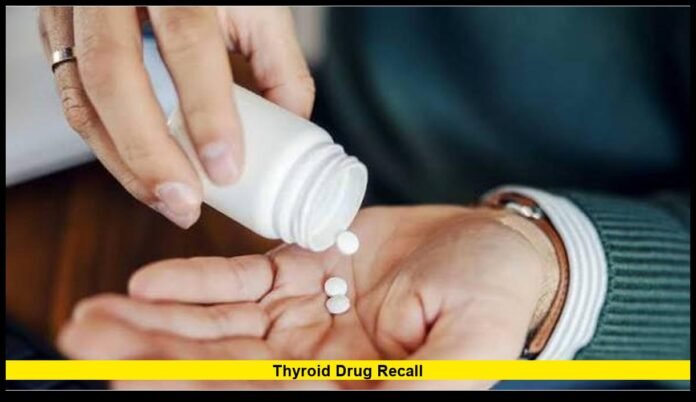

Thyroid drug recall has become an important health topic after the U.S. Food and Drug Administration (FDA) announced a nationwide recall involving specific lots of levothyroxine sodium tablets distributed by Major Pharmaceuticals. The recall was issued after testing found that certain batches did not meet potency requirements, meaning some tablets may contain less active thyroid hormone than stated on the label. Because millions of Americans depend on levothyroxine every day to manage thyroid conditions, many patients are checking whether their prescriptions are included and learning what steps they should take next.
Why This Recall Is Receiving National Attention
Levothyroxine is one of the most frequently prescribed medications in the United States. It replaces the thyroid hormone that the body naturally produces and plays a critical role in regulating metabolism, heart function, body temperature, and energy levels.
Unlike many medications, thyroid hormone replacement requires highly accurate dosing. Even relatively small changes in strength may affect thyroid hormone levels over time. For that reason, manufacturers and regulators closely monitor product quality to ensure every tablet meets strict standards.
The recent recall does not involve every levothyroxine product sold in the United States. Instead, it applies only to specific lots that failed to meet required potency specifications.
Why the Medication Was Recalled
The recall was initiated after quality testing found that certain lots of levothyroxine sodium tablets were subpotent.
A subpotent medication contains less active ingredient than listed on its label. For thyroid hormone replacement, receiving less medication than prescribed may reduce the effectiveness of treatment.
Patients who continue taking tablets from affected lots may gradually experience symptoms linked to low thyroid hormone levels if their body is not receiving the intended dosage.
Because thyroid medications are designed to provide precise hormone replacement, manufacturers routinely perform stability and potency testing throughout a product’s shelf life.
FDA Recall Classification Explained
The FDA classified this action as a Class II recall.
A Class II recall means use of the affected product could lead to temporary or medically reversible health effects. The chance of serious long-term health problems remains relatively low, but patients should still take the recall seriously.
This classification differs from a Class I recall, which involves products that may cause severe injury or death, and a Class III recall, which generally involves products unlikely to create health problems.
Although this recall is significant, it does not mean every patient taking levothyroxine faces immediate danger.
Which Thyroid Medication Is Included?
The recall involves certain lots of:
- Levothyroxine Sodium Tablets, USP
The affected medication was distributed nationwide by:
- Major Pharmaceuticals
Several dosage strengths are included in the recall.
These include:
- 25 mcg
- 50 mcg
- 75 mcg
- 88 mcg
- 112 mcg
- 125 mcg
- 150 mcg
Only specific lot numbers are affected. Many prescriptions filled across the country come from different manufacturers and are not part of the recall.
How to Know Whether Your Prescription Is Affected
Patients should carefully examine their medication packaging before becoming concerned.
The easiest way to determine whether your prescription is involved is by checking:
- Manufacturer name
- Lot number
- Expiration date
- Medication strength
These details are typically printed on the prescription bottle or original packaging.
If you cannot find the information, your pharmacist can usually verify whether your prescription came from one of the recalled lots.
Why Levothyroxine Is Essential
The thyroid gland produces hormones that influence nearly every organ in the body.
When the gland does not produce enough hormone, doctors often prescribe levothyroxine to replace what the body is missing.
The medication is commonly used to treat:
- Hypothyroidism
- Thyroid hormone deficiency after thyroid surgery
- Hormone replacement following thyroid cancer treatment
- Certain thyroid disorders that require hormone suppression therapy
For many patients, treatment continues for years or even a lifetime.
Skipping doses or receiving medication with reduced potency may eventually affect overall health.
How Thyroid Hormone Supports the Body
Healthy thyroid hormone levels help regulate many important functions.
These include:
- Energy production
- Body temperature
- Heart rhythm
- Cholesterol metabolism
- Brain function
- Digestion
- Muscle performance
- Growth and development
Because thyroid hormone affects so many body systems, even gradual reductions can eventually become noticeable.
Read More – International Day Against Drug Abuse and Illicit Trafficking 2026: Date, History, Theme, and Why It Matters
Possible Symptoms of Reduced Thyroid Hormone
Patients taking tablets from affected lots may not notice problems immediately.
Symptoms often develop slowly over days or weeks rather than appearing suddenly.
Possible symptoms include:
- Fatigue
- Increased sleepiness
- Feeling cold more often
- Dry skin
- Constipation
- Weight gain
- Slower thinking
- Difficulty concentrating
- Hair thinning
- Depression
- Muscle aches
- Puffy face
- Slowed heart rate
Many of these symptoms can also result from other medical conditions, so patients should discuss any concerns with their healthcare provider rather than assuming the recall is responsible.
Who Faces Greater Risk?
Although many adults may experience only mild symptoms if their thyroid hormone level decreases slightly, certain groups require particularly stable hormone replacement.
These include:
- Pregnant women
- Older adults
- Children receiving thyroid treatment
- Patients recovering from thyroid cancer
- Individuals with severe hypothyroidism
- Patients with heart disease
Healthcare providers often monitor these patients more closely because even modest hormone changes may have greater clinical importance.
Should You Stop Taking Levothyroxine?
Patients should not discontinue levothyroxine on their own simply because they hear about the recall.
Stopping thyroid medication without medical advice may allow hormone levels to fall further.
Instead, patients should:
- Check whether their medication matches the recalled lot.
- Contact the pharmacy that filled the prescription.
- Speak with the prescribing healthcare provider.
- Follow professional guidance regarding replacement medication.
Maintaining continuous thyroid hormone therapy remains important for most patients.
What Pharmacists Can Do
Community pharmacists play an important role during medication recalls.
They can help patients:
- Verify recalled lot numbers
- Identify the manufacturer
- Determine whether replacement medication is needed
- Contact prescribers if necessary
- Arrange an exchange when appropriate
Because pharmacies maintain dispensing records, they may also be able to confirm information even if patients no longer have the original packaging.
How Medication Recalls Work
Drug recalls follow a structured process designed to protect public health.
A typical recall includes several steps:
- Quality testing identifies a potential problem.
- The manufacturer investigates the issue.
- Distribution of affected products stops.
- Pharmacies receive recall notifications.
- The FDA classifies the recall.
- Patients and healthcare professionals receive guidance.
This system helps remove affected products while minimizing interruptions in patient care.
Why Potency Is Especially Important for Levothyroxine
Unlike medications that are taken only occasionally, levothyroxine is designed to provide consistent hormone replacement every day.
Doctors often adjust doses in very small increments.
Common strengths include:
- 25 mcg
- 50 mcg
- 75 mcg
- 88 mcg
- 100 mcg
- 112 mcg
- 125 mcg
- 137 mcg
- 150 mcg
These small dosage differences allow physicians to tailor treatment based on blood test results and individual patient needs.
If a tablet contains less hormone than expected, treatment may gradually become less effective.
Can Patients Switch to Another Brand?
Patients should not change manufacturers or dosage strengths without discussing the change with their healthcare provider.
Although many FDA-approved levothyroxine products are available, healthcare providers often prefer patients to remain on a consistent formulation whenever possible.
If replacement medication becomes necessary, the pharmacy and prescribing clinician can determine the most appropriate option.
Monitoring Your Health After the Recall
Patients whose prescriptions are included in the recall should pay attention to any returning symptoms while following professional medical advice.
Healthcare providers may recommend:
- Reviewing symptoms
- Replacing affected medication
- Monitoring thyroid function
- Scheduling follow-up testing if appropriate
Patients should continue taking medication exactly as directed unless instructed otherwise.
The Importance of Regular Thyroid Testing
Routine blood testing remains one of the best ways to ensure thyroid medication continues working properly.
Doctors commonly monitor thyroid hormone replacement using laboratory tests that evaluate whether dosage adjustments are needed.
Regular follow-up appointments become especially important whenever there are medication changes or quality concerns.
What This Recall Does Not Mean
The nationwide recall has generated understandable concern, but several important facts can reassure patients.
The recall does not mean:
- Every levothyroxine tablet is defective.
- Every manufacturer is affected.
- Every patient needs a new prescription.
- Patients should immediately stop taking thyroid medication.
- All thyroid medications have quality problems.
The recall remains limited to specific lots distributed by one company.
What Patients Should Do Right Now
If you currently take levothyroxine, consider these practical steps:
- Check your prescription bottle.
- Confirm the manufacturer.
- Compare the lot number if available.
- Contact your pharmacist if you have questions.
- Speak with your healthcare provider before making medication changes.
- Watch for symptoms that may suggest reduced thyroid hormone levels.
Taking these simple steps can help ensure continued treatment while avoiding unnecessary interruptions.
Frequently Asked Questions
Is every thyroid medication included in this recall?
No. Only certain lots of levothyroxine sodium tablets distributed by Major Pharmaceuticals are included.
Can I continue taking my medication?
Patients should first determine whether their prescription matches one of the recalled lots and follow guidance from their healthcare provider.
Will my pharmacy know if my medication is recalled?
Yes. Pharmacies receive recall information and can usually verify whether a prescription came from an affected lot.
Can reduced potency cause immediate illness?
Most patients would not experience sudden symptoms. Reduced thyroid hormone replacement generally causes symptoms that develop gradually over time.
Should I request blood work immediately?
Your healthcare provider can determine whether laboratory testing is appropriate based on your symptoms, medical history, and the medication you received.
Looking Ahead
The recall serves as a reminder of how closely prescription medications are monitored in the United States. Quality testing, manufacturing oversight, and FDA enforcement help identify products that fail to meet established standards before broader health problems develop. Patients who rely on thyroid hormone replacement can reduce anxiety by checking their medication, working with their pharmacist, and following medical advice rather than making treatment decisions on their own.
Have questions about the latest thyroid medication recall? Share your thoughts in the comments and stay updated on important health developments affecting patients across the United States.